
Water Transfer Pumps
Water transfer pumps move water from one place to another: tank to tank, pond to ditch, pit to drain or bowser to trough. We stock petrol engine pumps for site and field work and electric self-priming pumps for fixed and workshop use.
Choose by what is in the water as well as how much you need to move. Our self-priming pumps guide explains the basics.
Showing all 13 results
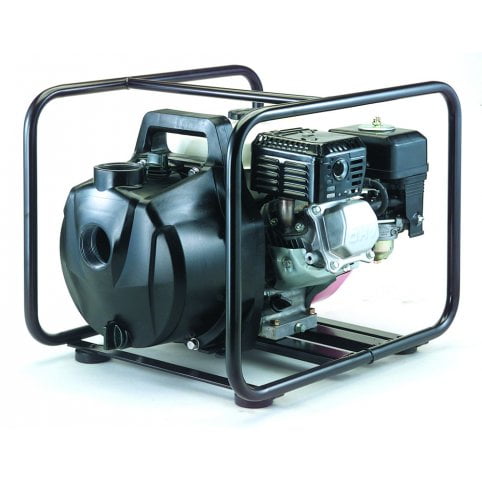
 Key figures: up to 560 litres per minute, 26 m maximum head, 8 m suction lift, Honda GX120 petrol ...Read More£657.70 +VAT
- The Pentax CR range is a family of surface-mounted centrifugal pumps with an open impeller that lets soft solids ...Read More£203.68 +VAT
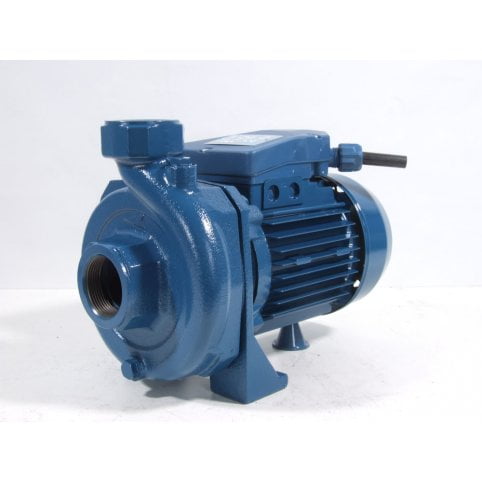
 The Pentax CM range is a family of compact, surface-mounted single impeller centrifugal pumps for clean water at higher ...Read More£169.87 +VAT
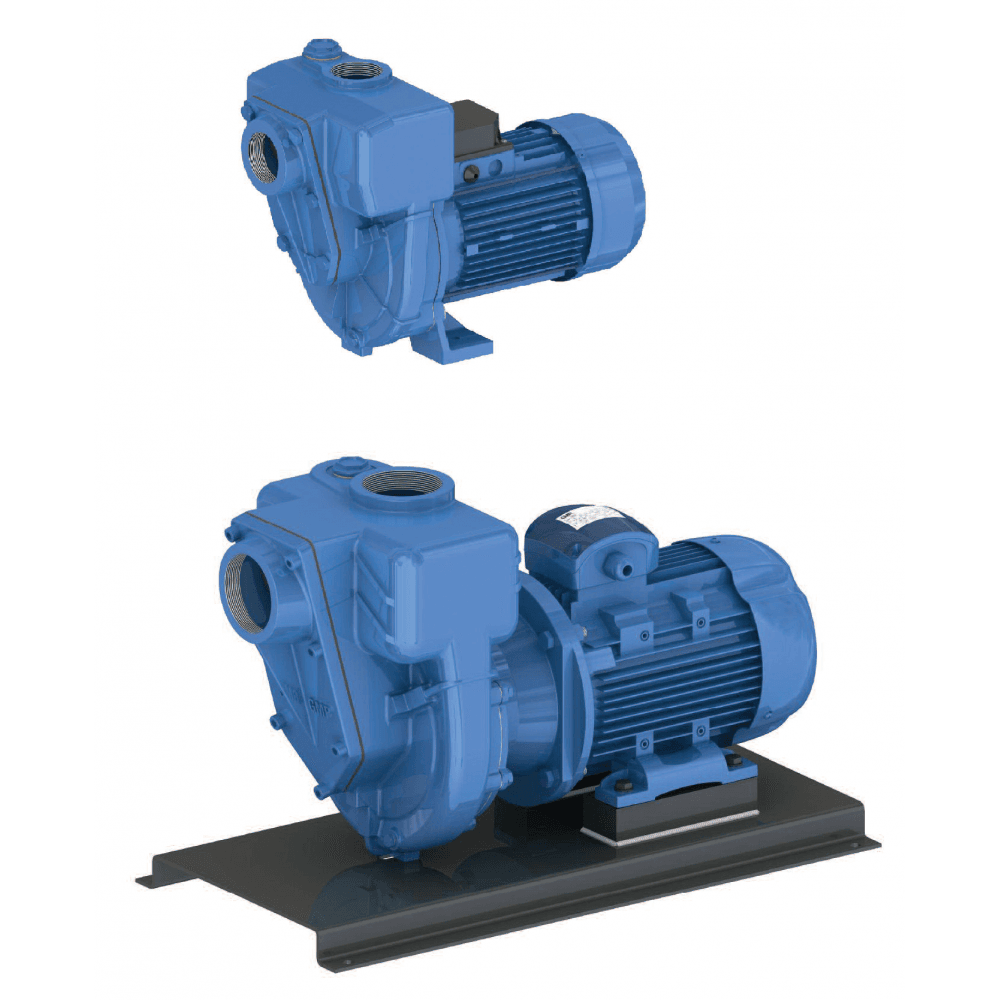
- The GMP High Head Self Priming range is built for applications where water needs to be lifted to a ...Read More£893.68 +VAT
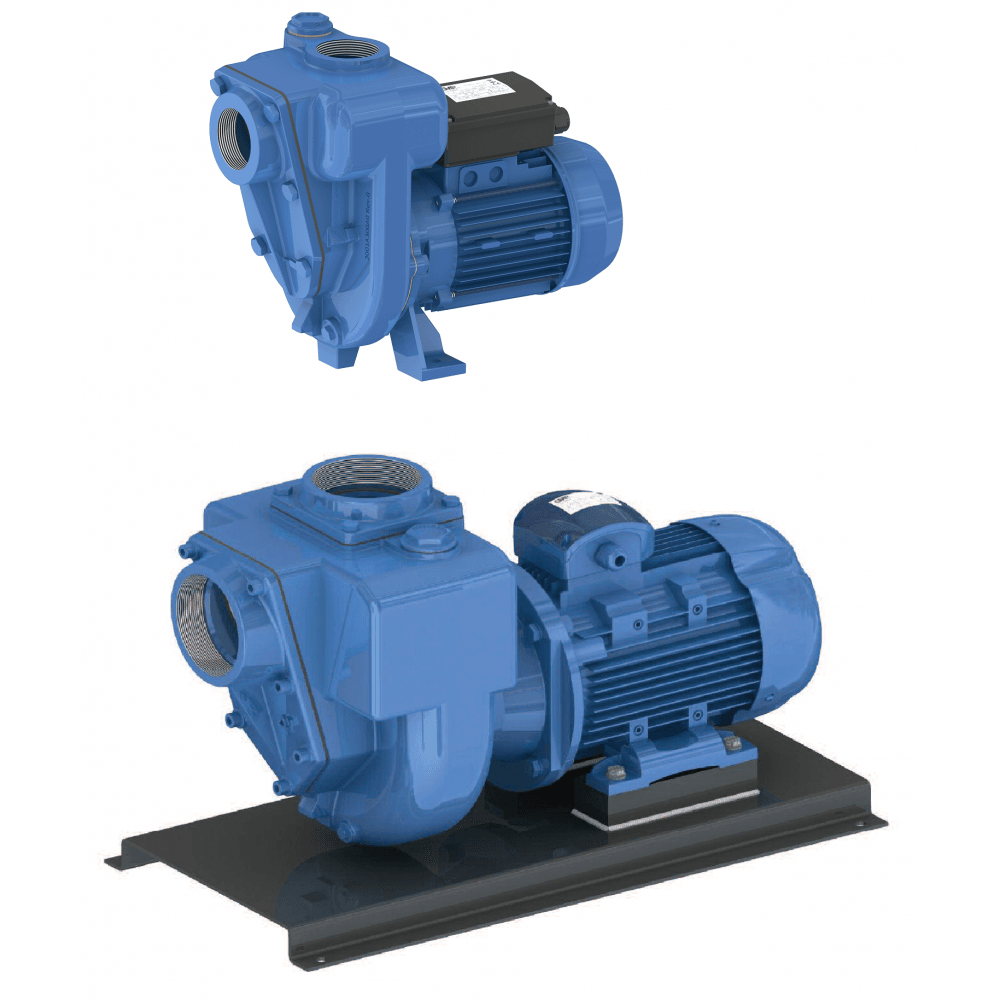
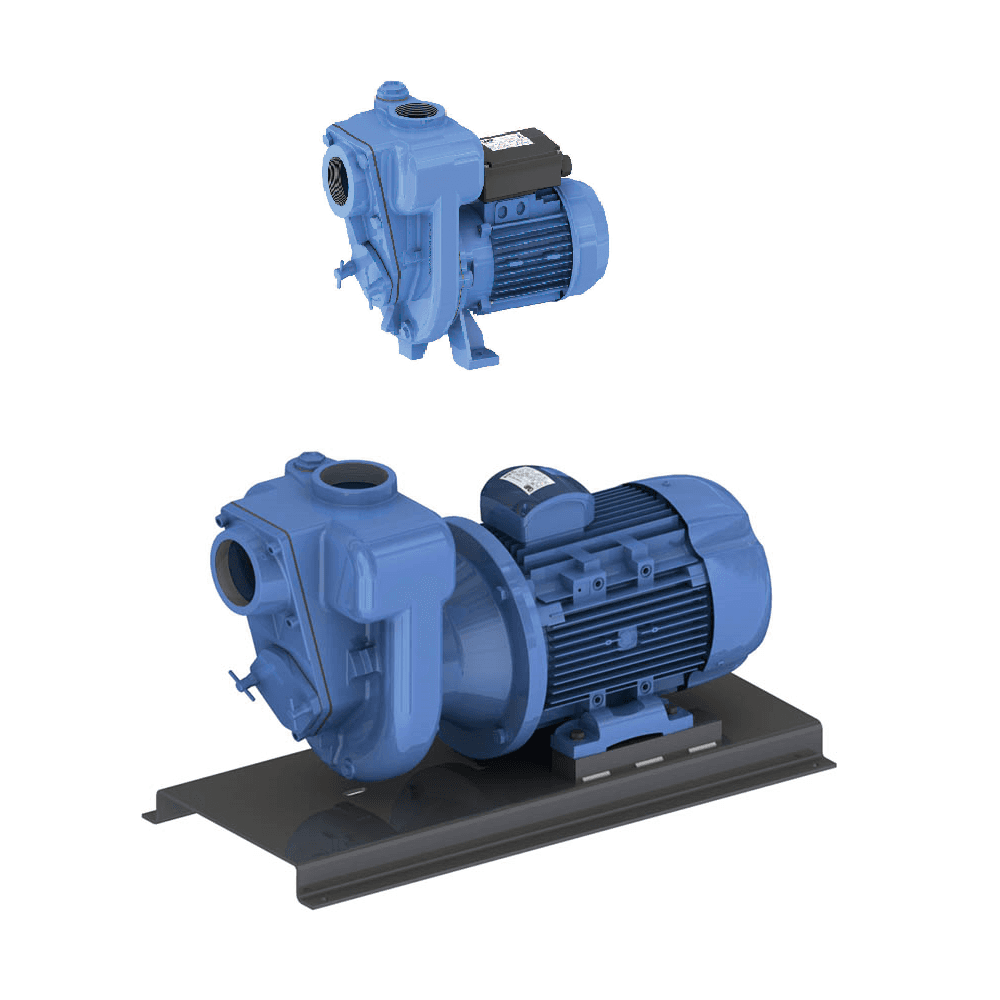
 The GMP HGM Self-Priming Cast Iron Dirty Water Pumps are a robust range of surface-mounted electric pumps designed for ...Read More£533.50 +VAT
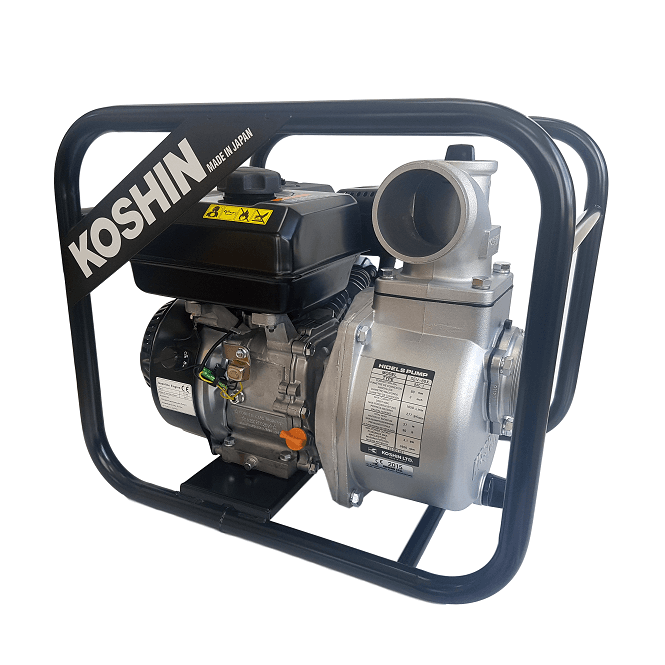
- Koshin STH semi-trash pumps are petrol engine pumps built for dirty water: the sandy, silty and muddy water that ...Read More£555.93 +VAT
- The GMP Electric Surface Trash Self-Priming Pumps are a range of heavy-duty cast iron surface-mounted pumps designed for clean ...Read More£666.67 +VAT
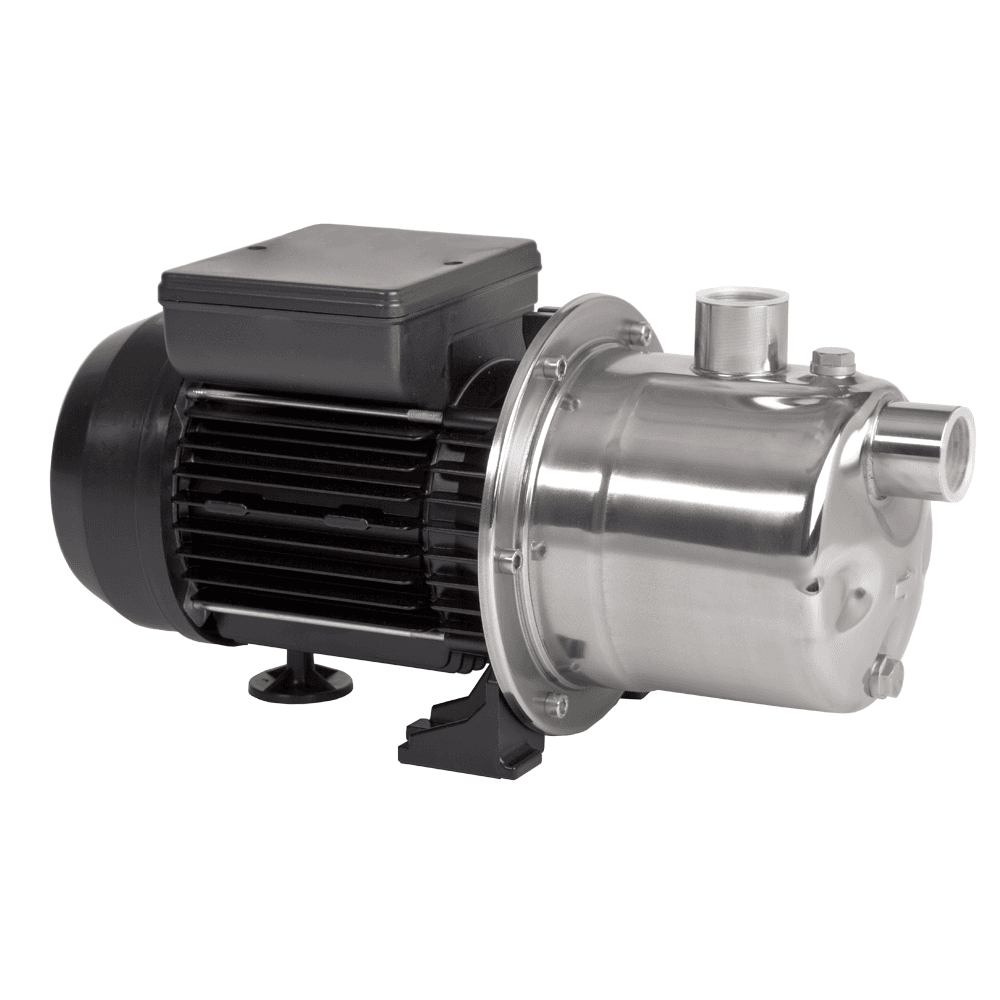
 The Jetinox 45/43 M, 60/50 M and 90/50 M are no longer available. The Inox 80 110v is still ...Read More£244.39 +VAT
- The Villiers RT range is a family of petrol engine driven centrifugal water pumps for moving water where there ...Read More£199.71 +VAT
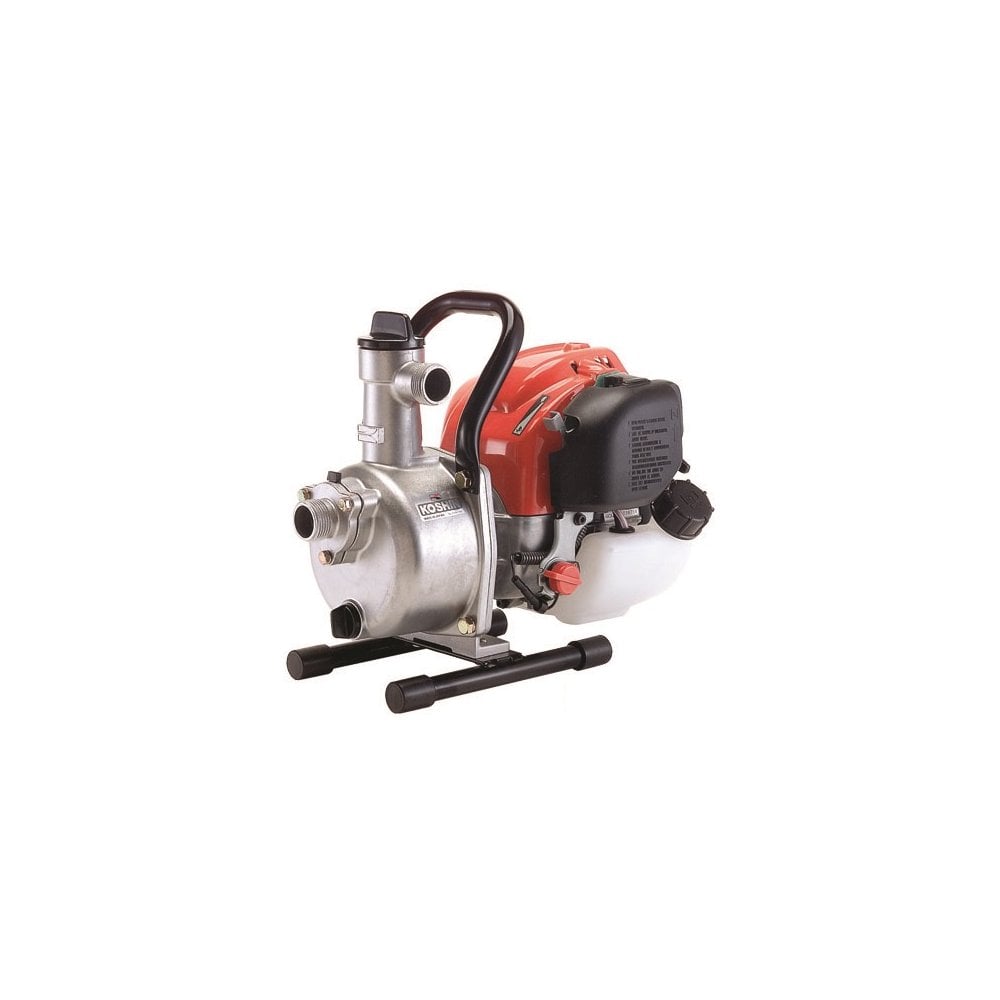
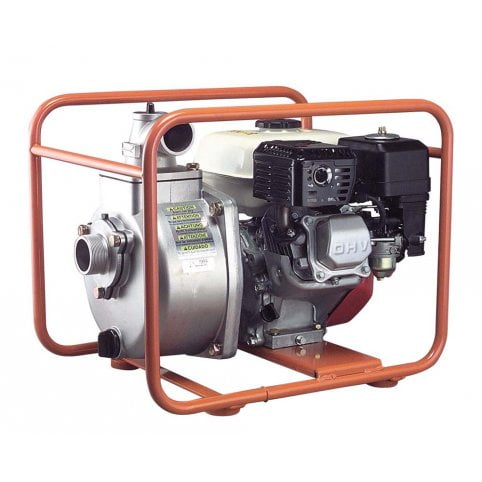
- Koshin SEH pumps are petrol engine water pumps from the Japanese pump maker Koshin, each driven by a four-stroke ...Read More£370.49 +VAT
 Koshin SEV pumps are petrol water pumps built entirely by Koshin, the Japanese pump maker: the pump end and ...Read More£223.86 +VAT
- Koshin SERH high pressure pumps are petrol engine water pumps built for pressure rather than sheer volume. Made by ...Read More£724.98 +VAT
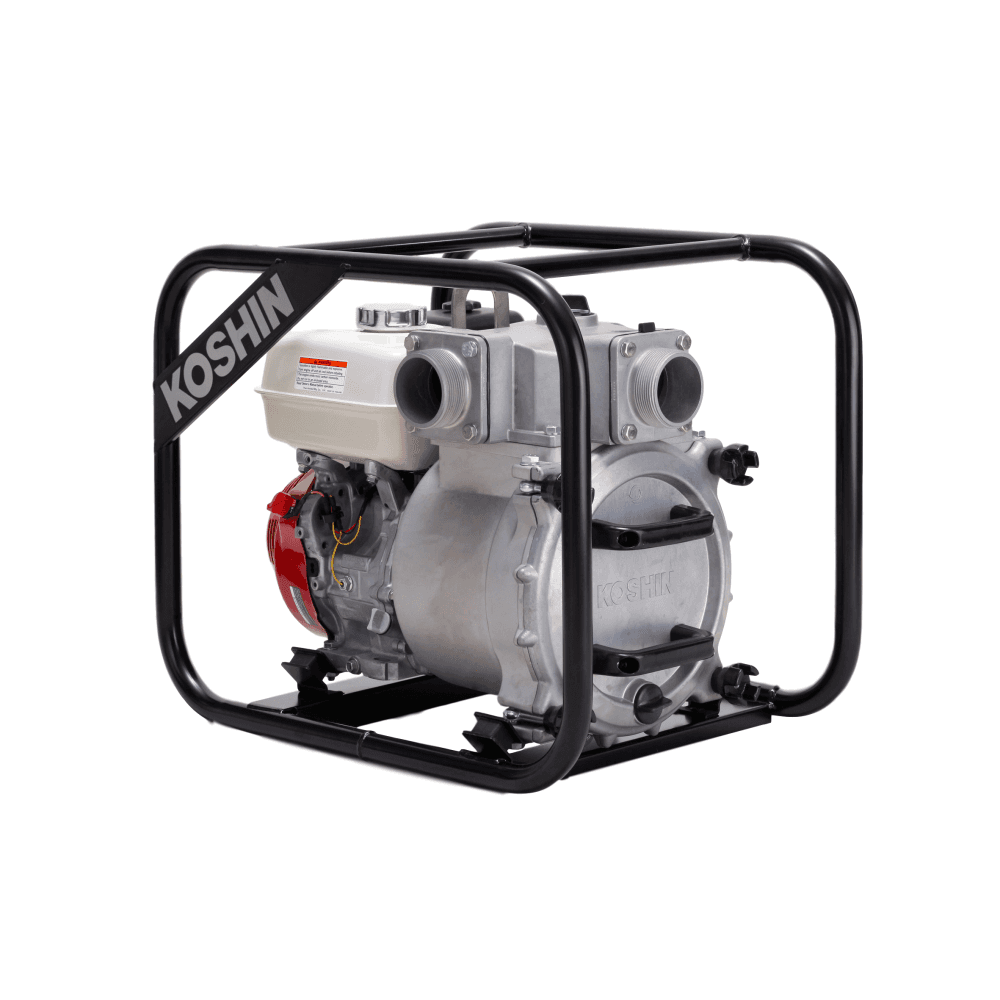
- Koshin KTH trash pumps are compact petrol engine pumps built to move dirty water that carries stones, grit and ...Read More£1,007.88 +VAT



How to choose a water transfer pump
Three things narrow it down: what is in the water, how far the pump has to lift and push it, and whether there is power where you are working.
Clean water pumps have close-fitting impellers and give more pressure, but they wear or block on grit. Dirty water and semi-trash pumps pass silt and small solids. Trash pumps have larger passages for stones, leaves and site debris. Running dirty water through a clean water pump is the most common way to shorten its life.
A surface pump can only lift water a limited height on the suction side, so keep it as close to the water level as you can. Our guide to suction lift and NPSH explains why, and discharge pipe size covers the delivery side.
Water transfer pumps we stock
Petrol engine pumps work anywhere, with no cables to run:
- Koshin KTH trash pumps with Honda engines, hi-chrome impellers and solids handling up to 30 mm, in 2, 3 and 4 inch sizes
- Koshin STH semi-trash pumps for dirty site water
- Koshin SEH, Koshin SEV and Villiers RT centrifugal pumps for general water transfer
- Koshin SERH high pressure pump, for clean water that has to travel a long way or uphill
Electric surface pumps suit regular jobs where power is close by:
- GMP Electric Surface Trash self-priming pumps for water carrying larger solids
- GMP HGM cast iron self-priming pumps from 290 to 850 l/min, in 110v and 230v, including a 110v version on a sack trolley for site use
- GMP High Head self-priming pumps for long or uphill delivery runs
- Pentax CR for surface water with silt or plant debris, installed with a flooded suction
- Pentax CM and Pentair Jetinox for clean water at higher pressure
To move water out of a pit or flooded area with a submersible pump instead, see our drainage pumps and dirty water pumps. Delivery hose and fittings are in hose and accessories.
Setting up for transfer
- Use rigid or reinforced suction hose. Layflat hose collapses under suction and belongs on the delivery side.
- Fit a strainer on the suction end.
- Fill the pump casing with water before the first start, even on self-priming pumps.
- Stop the pump once the tank is empty, because the mechanical seal relies on water for cooling.
Frequently asked questions
What is the difference between a water transfer pump and a submersible pump?
A transfer pump usually sits outside the water, draws it up through a suction hose and pushes it out through a delivery hose. A submersible pump sits in the water and pushes it out. Transfer pumps suit tanks, ponds and bowsers you can reach from the side, while submersibles suit deep pits and sumps.
How high can a transfer pump lift water on the suction side?
Electric self-priming pumps such as the GMP HGM lift up to 6 m. Koshin petrol clean water pumps such as the SERH quote 8 m once the casing is filled. In practice keep the pump as close to the water as possible, because every metre of suction lift reduces the flow you get.
Can I use a water transfer pump to empty a swimming pool or pond?
Yes. A self-priming surface pump or a small petrol pump will empty a pool or pond quickly. For ponds with silt, leaves or sludge, use a dirty water or semi-trash pump rather than a clean water pump. Check where the water can go before you start, especially treated pool water.
Which pump is best for moving dirty water on a building site?
A trash or semi-trash pump. The Koshin KTH handles solids up to 30 mm and runs on a Honda petrol engine, so it works before site power is connected. Where a 110v supply is available, the 110v GMP HGM on a sack trolley or crash frame is a practical electric option for silty water.
Can a water transfer pump move diesel or chemicals?
No. Water pumps are not built for fuel or chemicals, and using one this way is a safety risk. Use our diesel and fuel transfer pumps for diesel and gas oil, and our chemical and acid pumps for acidic or corrosive liquids.
Free, independent advice
Need help choosing? Ask our team
Not sure it is the right pump or motor for the job? Send us a question and our team will reply, or call us now. We have been supplying, repairing and rewinding pumps since 1948.
Monday to Friday, 8.30am to 5.30pm
Send us a question
We reply within one working day.