
Septic Tank Pumps
Our septic tank pumps lift effluent from a septic tank outlet chamber, a treatment plant discharge chamber or a separate pump chamber up to a drainage field, soakaway or higher sewer. They are submersible sewage pumps with vortex impellers that pass soft solids rather than clogging.
A septic tank itself is emptied by a licensed tanker, not by a pump. See how a sewage pump works or ask us to match a pump to your system.
Showing all 6 results
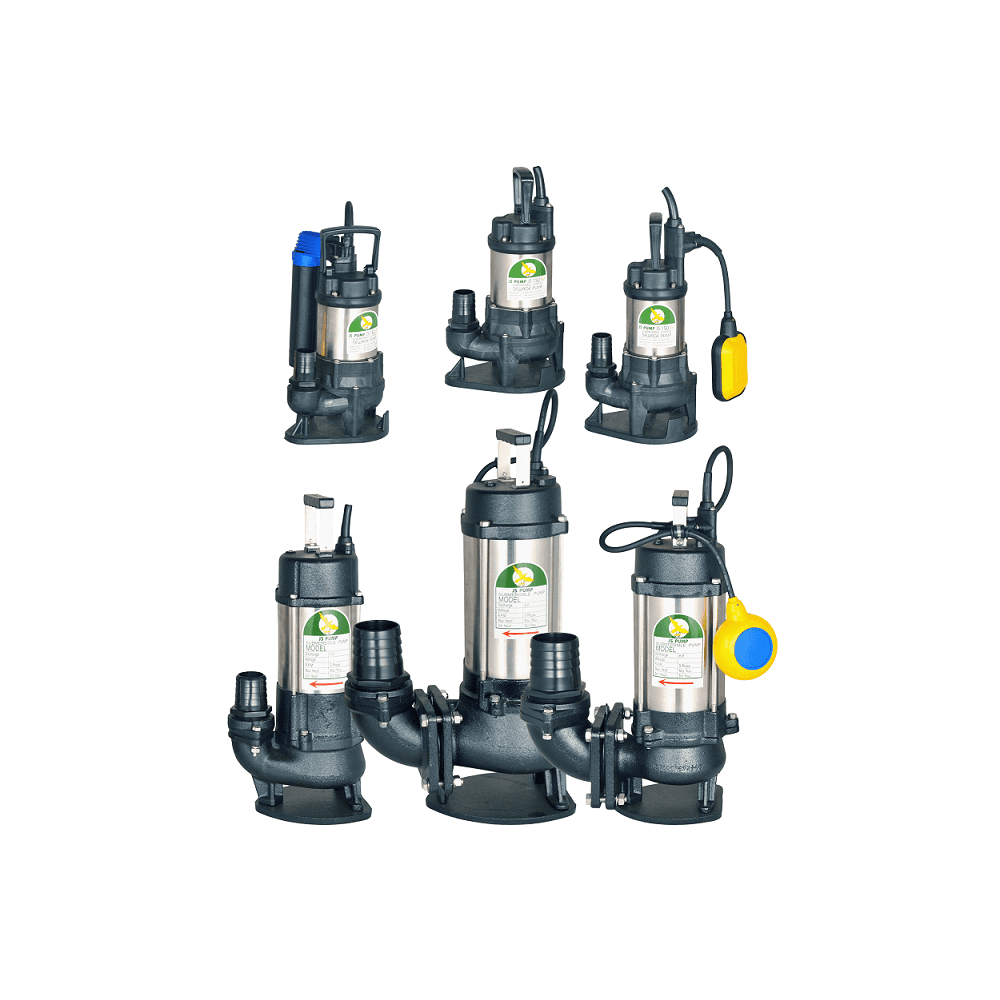
 The JS SV single-phase sewage pumps are cast iron submersible vortex pumps for sewage, foul water and dirty water, ...Read More£240.25 +VAT
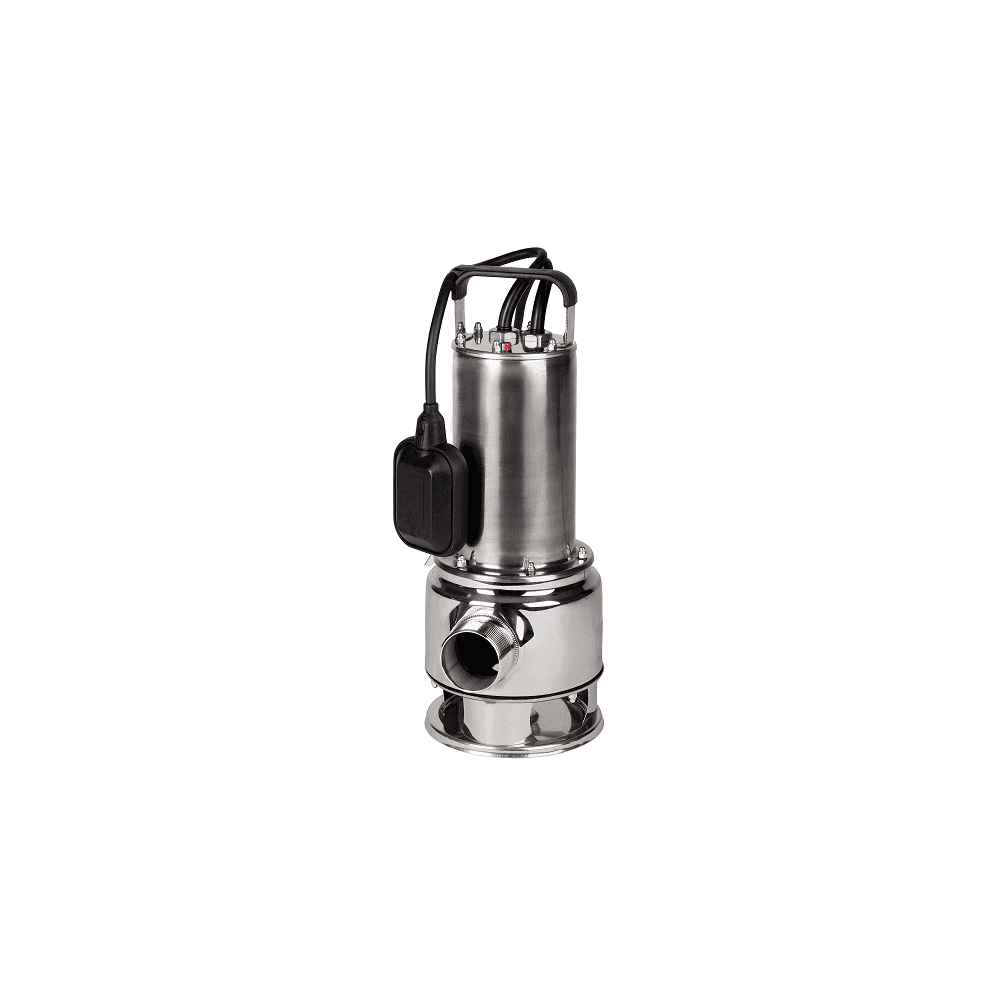
 The Pentair Biox is an automatic stainless steel sewage pump for domestic and light commercial waste water. Both models ...Read More£458.29 +VAT
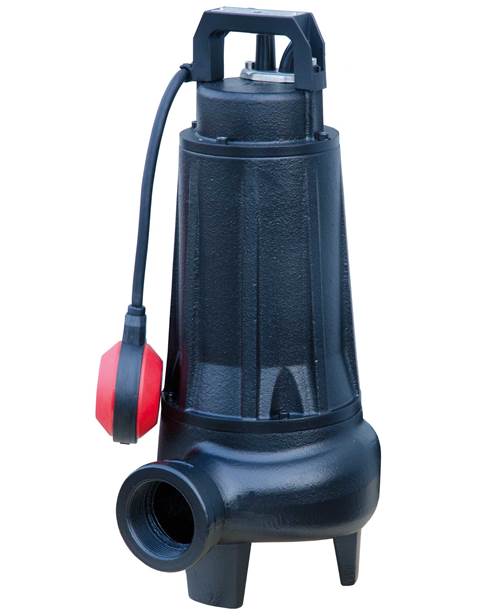
 The Dreno Compatta range is a series of cast iron submersible sewage pumps designed for reliable, continuous wastewater duty ...Read More£434.14 +VAT
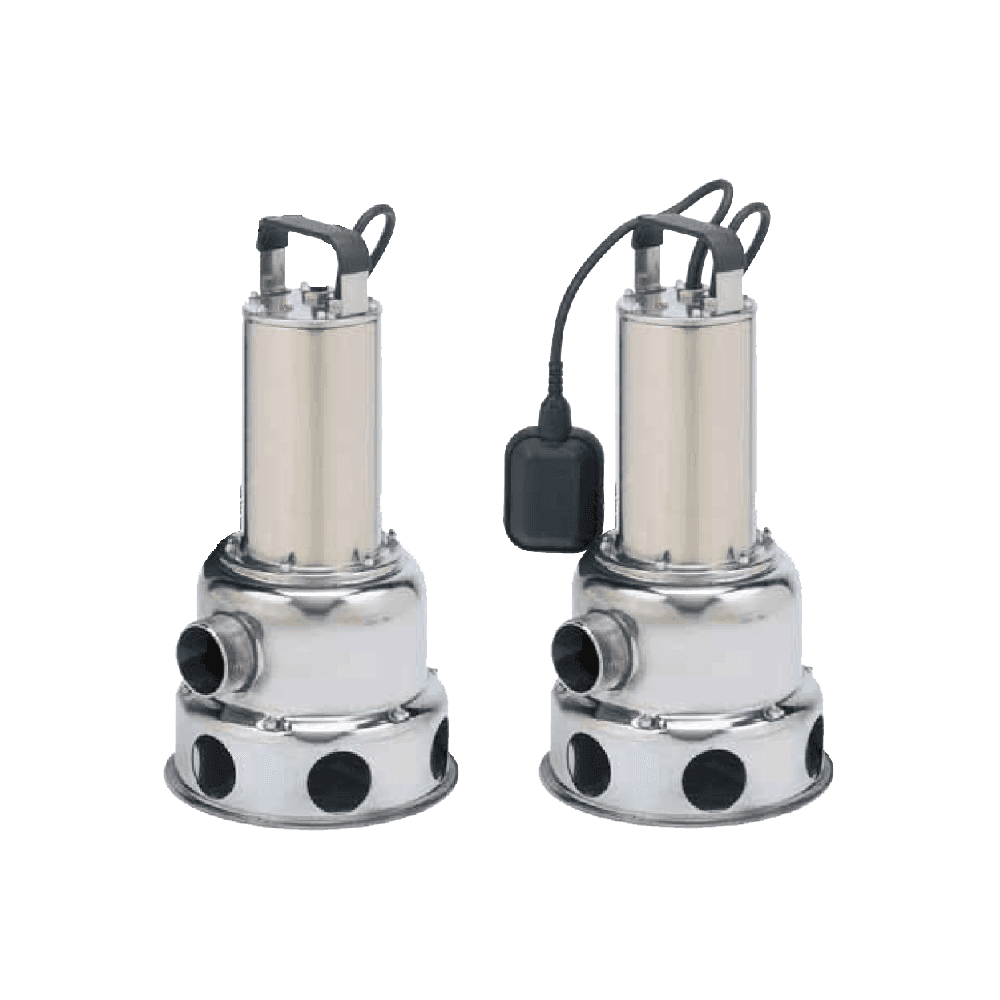
 The Pentair Jung Nocchi Priox is an all stainless steel submersible sewage pump for cesspits, septic and effluent chambers, ...Read More£387.91 +VAT
 The JS-150SV sewage vortex pump is the smallest pump in the JS Pumps SV family: a compact 1¼-inch submersible ...Read More£144.34 +VAT
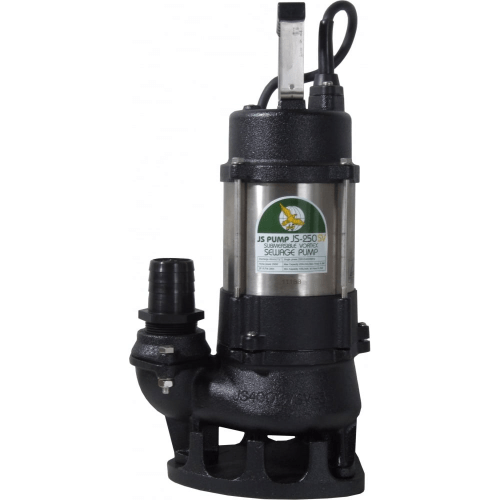
 The JS-250SV sewage vortex pump is a 1½-inch submersible pump from JS Pumps for light-duty sewage, foul water, dirty ...Read More£204.37 +VAT

Where a septic tank pump fits in
Most septic tanks and small sewage treatment plants drain by gravity. A pump is needed when the drainage field or sewer connection sits higher than the tank outlet, or too far away for a gravity fall. The pump sits in a chamber after the tank, collects the settled effluent and lifts it on in batches. Sludge and scum stay in the tank and are removed by a registered waste carrier at regular intervals.
In England, septic tanks and small sewage treatment plants must meet the general binding rules or hold an environmental permit, and those rules control where the effluent can go. GOV.UK explains the permits you need for septic tanks. Check your discharge point is compliant before investing in a new pump.
How to choose a pump for effluent
Four points decide the right pump:
- Solids handling: a vortex impeller recessed above the flow passes soft solids. The JS-250SV handles soft solids up to 36mm and the Pentair Biox up to 40mm.
- Head and flow: add the vertical lift from the chamber to the discharge point to an allowance for pipe friction. The JS-250SV is rated at 240 litres per minute with a maximum head of 6.5m, so suits short lifts. The Biox 400/12 reaches 12m.
- Automatic control: a float switch starts and stops the pump with the level. The automatic JS-250SV comes with M/3 or Agma float options.
- Voltage: most rural properties run 230v single phase pumps. The JS-250SV is also made in 110v for site use.
Septic tank pumps we stock
Our effluent pumps include the JS-250SV and JS150SV sewage vortex pumps, the JS SV single phase range, the Pentair Biox with its stainless steel body and impeller, the Pentair Jung Nocchi Priox and the Dreno Compatta.
Alarms, floats and installation
Fit a high level alarm in every effluent pump chamber. If the pump fails without one, the first sign is often effluent backing up into the tank or the drains. Our controls range covers alarms and panels, and the float switch guide explains switching levels.
Use a non-return valve on the rising main, and consider a coupling foot so the pump lifts out on a chain. The JS-250SV is compatible with the SR50 coupling foot and claw. Never climb into a sewage chamber: the gases in an enclosed chamber can kill.
Related applications
If the whole building sits below its outfall, a package pumping station may be simpler. For the full range, see sewage pumps.
Frequently asked questions
Can I pump out my own septic tank?
No. The sludge and scum in a septic tank must be removed by a registered waste carrier with a tanker, who disposes of it legally. A septic tank pump only handles the settled effluent that leaves the tank, lifting it to a drainage field, soakaway or higher sewer.
What size pump do I need for a septic tank outlet?
Work out the vertical lift from the pump chamber to the discharge point and the length of the rising main, then pick a pump that still gives useful flow at that head. For a short lift to a nearby drainage field, a light duty vortex pump such as the JS-250SV is often enough.
Should I use a vortex or a grinder pump for effluent?
For septic tank and treatment plant effluent, a vortex pump is the usual choice because it passes soft solids through an open passage with less to wear or block. Grinder pumps chop solids so they can travel through small bore pressure pipes over long distances or great heights.
How will I know if my septic tank pump has failed?
Without an alarm, you may not know until effluent backs up into the tank or drains. A high level alarm sounds or lights when the chamber fills above its normal level, giving you time to call for help before it overflows. Fit one to every effluent pump chamber.
Free, independent advice
Need help choosing? Ask our team
Not sure it is the right pump or motor for the job? Send us a question and our team will reply, or call us now. We have been supplying, repairing and rewinding pumps since 1948.
Monday to Friday, 8.30am to 5.30pm
Send us a question
We reply within one working day.