
Chemical and Acid Pumps
Our chemical transfer and acid pumps move dilute acids, acidic water and mildly corrosive liquids. Most are stainless steel, with a thermoplastic petrol engine pump for sites without power. They suit water treatment, process water, food and drink liquids and corrosive drainage.
Every chemical behaves differently, so check compatibility with us before ordering, giving the liquid, its concentration and its temperature.
Showing all 3 results
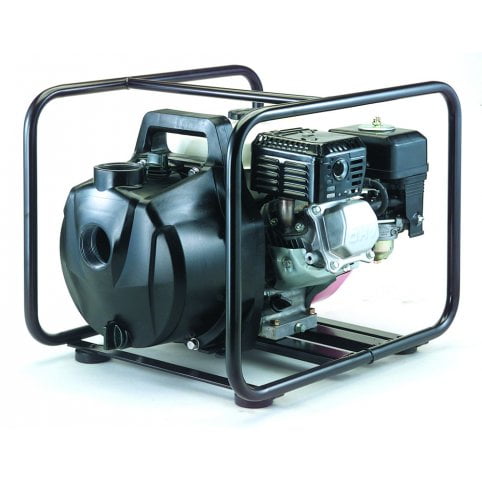
 Key figures: up to 560 litres per minute, 26 m maximum head, 8 m suction lift, Honda GX120 petrol ...Read More£657.70 +VAT
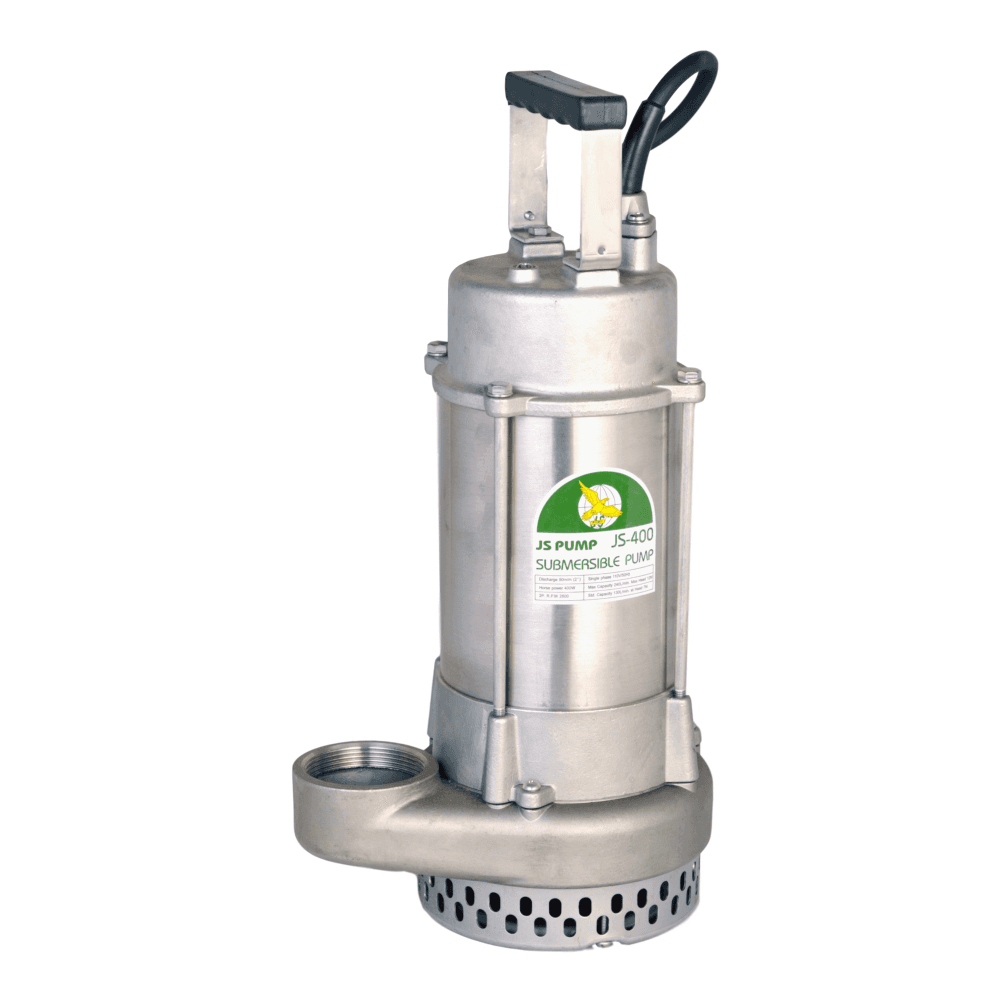
 JS Drainer SS pumps are 316 stainless steel submersible drainage pumps for water that would corrode an ordinary cast ...Read More£462.43 +VAT
- The GMP EA Stainless Steel Self-Priming Acidic Pumps are a range of surface-mounted electric pumps designed for liquids that ...Read More£2,052.88 +VAT

How to choose a chemical or acid pump
Choosing a pump for anything other than water starts with the liquid, not the flow rate. Before you order, have these details ready:
- The chemical by name, ideally with its safety data sheet
- Its concentration
- Its working temperature
- Whether it carries solids or abrasive particles
These decide the body material, the seal and whether a pump is suitable at all. A dilute acid that stainless steel handles well can attack the same pump at higher concentration, and some chemicals attack seal materials long before the casing. The pumps in this category are designed for dilute and mildly aggressive liquids, not concentrated acids.
Chemical and acid pumps we stock
The GMP EA stainless steel self-priming pumps are surface-mounted electric pumps with a stainless steel casing, inlet flange, impeller and shaft, and a silicon carbide mechanical seal as standard. An alternative seal is available for more aggressive chemistries. They self-prime from up to 6 m, handle liquids up to 70°C, and have an inspection door on the suction body so blockages can be cleared without disconnecting pipework. The range runs from 2 inch models at 440 l/min, in 230v single-phase or 400v three-phase, to 3 inch 400v models at up to 1,450 l/min.
Typical uses include acidic water and dilute acid transfer, pH-adjusted effluent, process water with dissolved chemicals, mildly corrosive sewage and grey water, and fluid foodstuffs such as fruit juice, soft drink concentrates and whey. They are not suitable for abrasive liquids.
Where a submersible is the better fit, for example in a sump collecting corrosive drainage, the JS Drainer 316 stainless steel submersible pumps are made in 316 stainless steel, a grade with better corrosion resistance than standard 304 stainless. For general drainage duties see our drainage pumps.
For sites with no power, the Koshin PGH thermoplastic petrol pump has a plastic pump end, EPDM O-rings and stainless steel fixings, so it can move salt water and mild chemicals that would corrode a cast iron engine pump. It is a 2 inch Honda GX120 pump for non-abrasive liquids, with solids up to 5 mm.
Installation and safety points
- Use hose, pipe and fittings rated for the chemical, not standard water hose.
- Site the pump where leaks can be contained, with drip trays or bunding as your risk assessment requires.
- Flush the pump through with clean water after use if it will stand idle.
- Do not run self-priming pumps dry, because the mechanical seal relies on the liquid for cooling.
Handling hazardous substances at work comes under COSHH, and your risk assessment should cover pumping and transfer as well as storage.
Frequently asked questions
What is the best pump for transferring acid?
For dilute acids, a stainless steel self-priming pump such as the GMP EA is a common choice. Concentrated acids need materials matched to the specific acid, so the right pump depends on the acid type, concentration and temperature. Contact AES with these details before ordering and we will confirm whether a pump in this range is suitable.
Can a stainless steel pump handle any chemical?
No. Stainless steel resists many dilute acids and corrosive liquids but is attacked by some chemicals, particularly at higher concentrations or temperatures. The seal material matters just as much. Always check compatibility against the liquid’s safety data sheet and confirm with AES before buying.
Can I use a chemical pump for food liquids?
The GMP EA range is used for fruit juice, soft drink concentrates, whey and other fluid foodstuffs. We do not claim a food certification for it, so check the regulatory requirements with your site hygiene and compliance team before using it in food production.
How hot can the liquid be?
The GMP EA stainless steel pumps handle liquids up to 70°C. Temperature also affects chemical compatibility, because many liquids become more aggressive when hot, so include the working temperature when you ask us to check a pump.
Can I pump chemicals with a standard water pump?
Not safely. Cast iron water pumps and standard seals can corrode or fail quickly when exposed to acids and other chemicals, which leads to leaks. Use a pump built from compatible materials, and for diesel and gas oil use our dedicated fuel transfer pumps.
Free, independent advice
Need help choosing? Ask our team
Not sure it is the right pump or motor for the job? Send us a question and our team will reply, or call us now. We have been supplying, repairing and rewinding pumps since 1948.
Monday to Friday, 8.30am to 5.30pm
Send us a question
We reply within one working day.