
Flood Pumps
Our flood pumps clear standing water from flooded buildings, cellars, gardens, car parks and construction sites. The range covers electric submersible drainage pumps in 110v and 230v, residue pumps for the last of the water, and petrol engine pumps for when the mains supply is off or unsafe to use.
Read our guide to flood pumps for more detail, or ask our team which pump suits your job.
Showing 37-54 of 22 results
 Key figures: up to 320 litres per minute, 19.4 m maximum head, 1.37 kW 230v single-phase, 1½" outlet, solids ...Read More£310.63 – £325.12Price range: £310.63 through £325.12 +VAT
 Key figures: up to 117 litres per minute, 7 m maximum head, 0.25 kW 230v single-phase motor, clears water ...Read More£71.29 +VAT
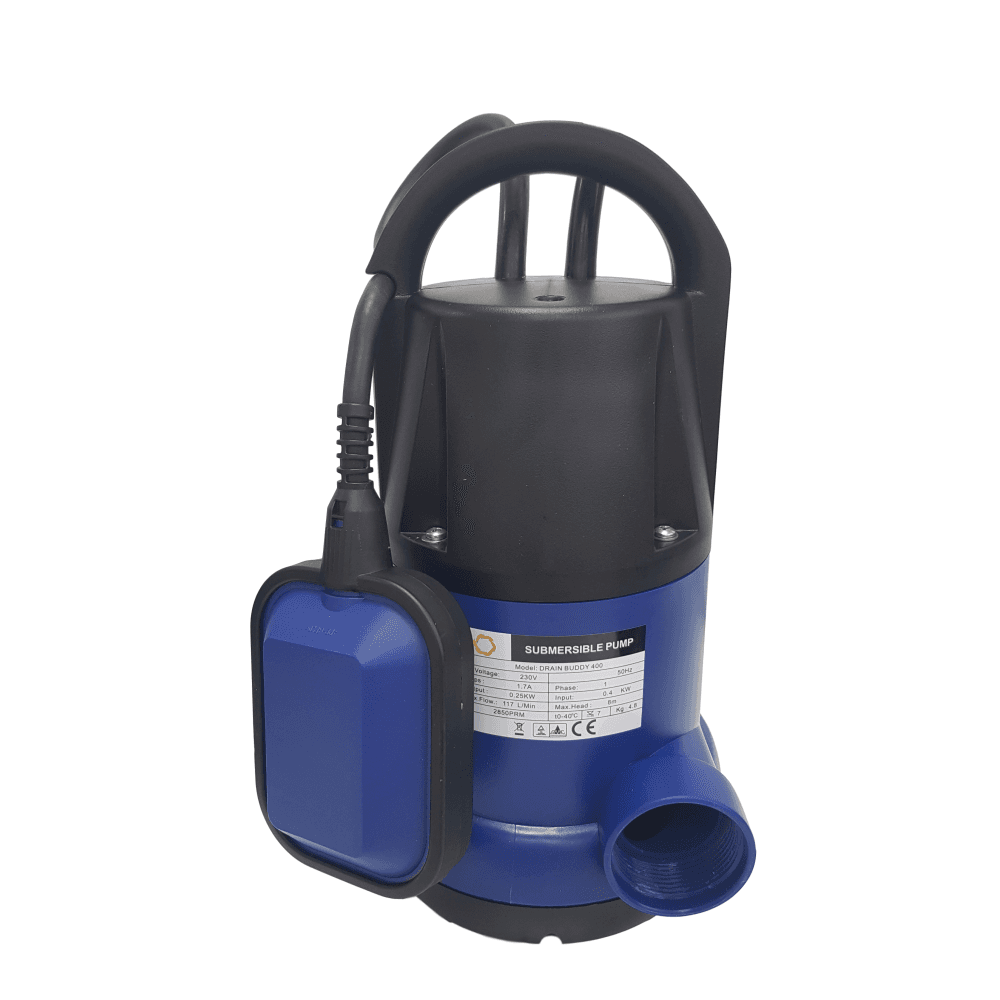
 Get the Drain Buddy 400 Auto Sump Pump, a reliable and efficient budget submersible drainage pump for domestic use. ...Read More£50.43 +VAT
 Key figures: up to 135 litres per minute, 8 m maximum head, 0.4 kW 230v single-phase, 1½" outlet, 5 ...Read More£62.02 +VAT
- The Villiers RT range is a family of petrol engine driven centrifugal water pumps for moving water where there ...Read More£199.71 +VAT
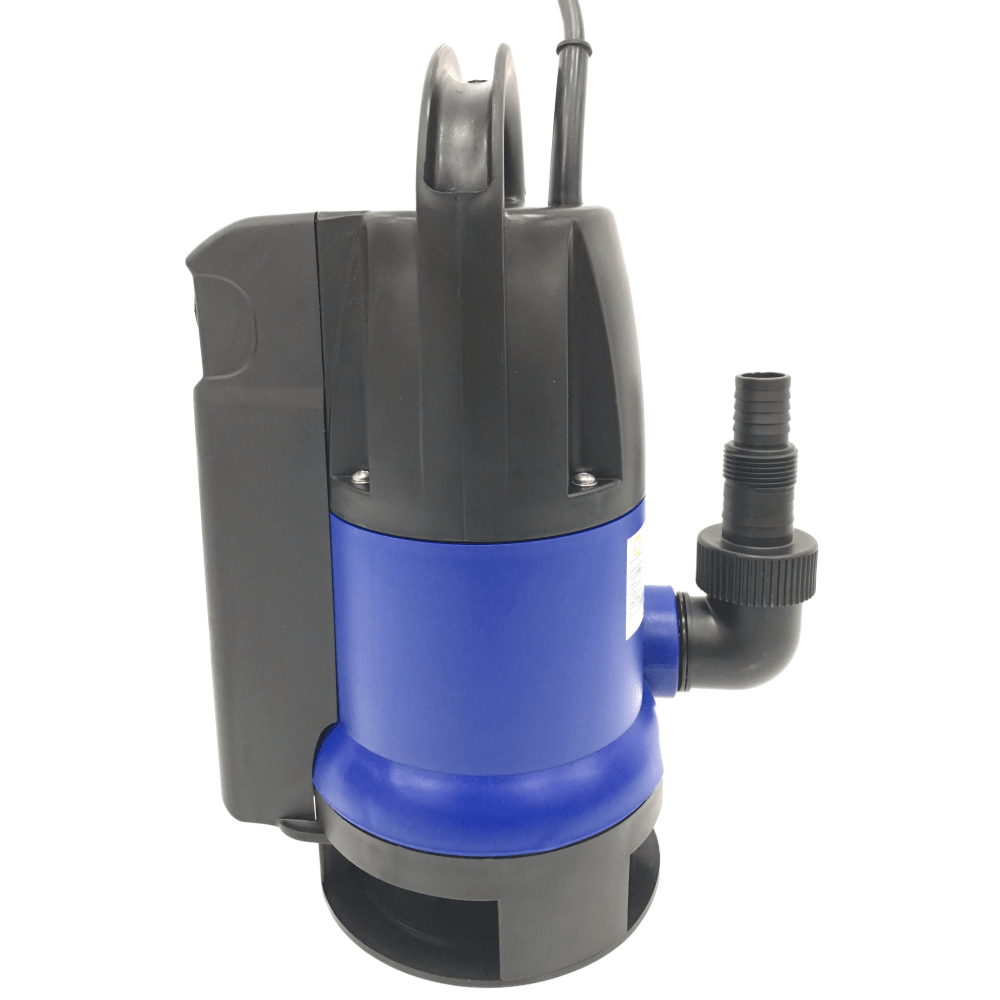
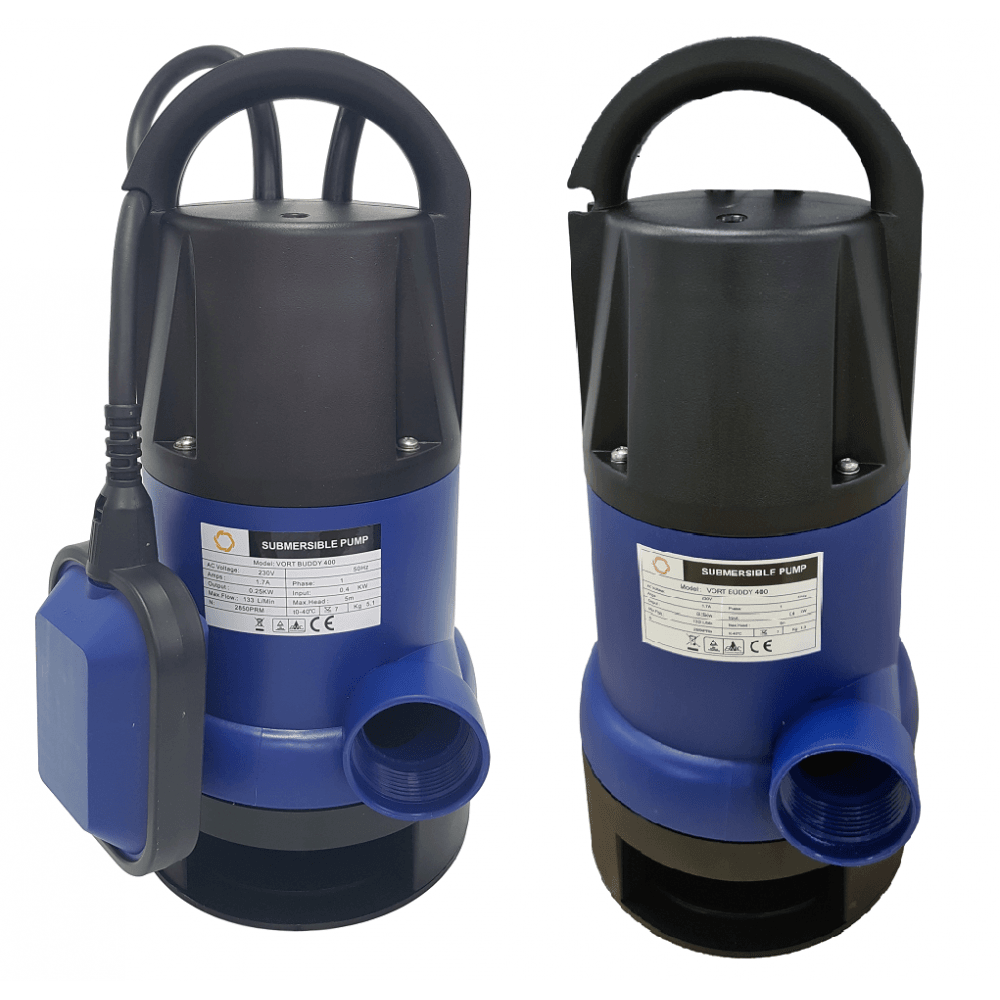
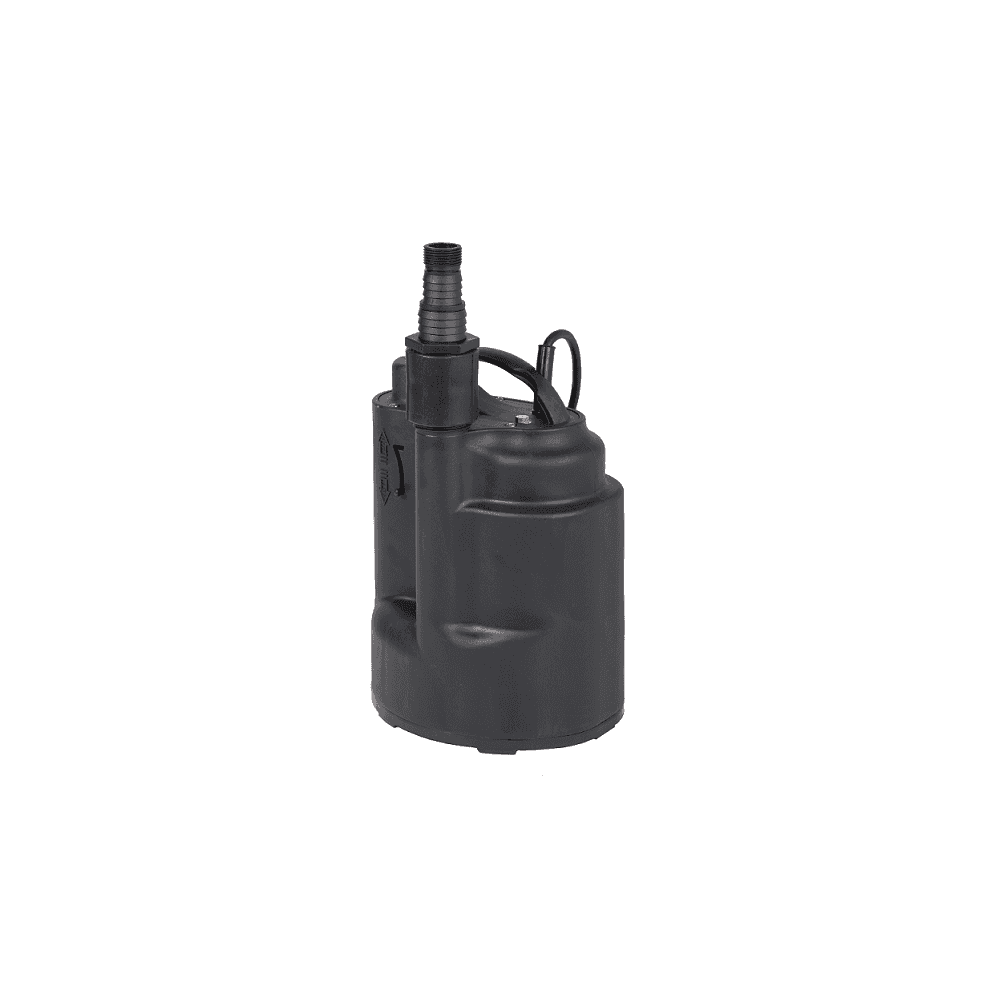
 Vort Buddy automatic dirty water pumps are budget, plastic-bodied submersible pumps for draining sumps, cellars and flooded areas where ...Read More£51.95 +VAT
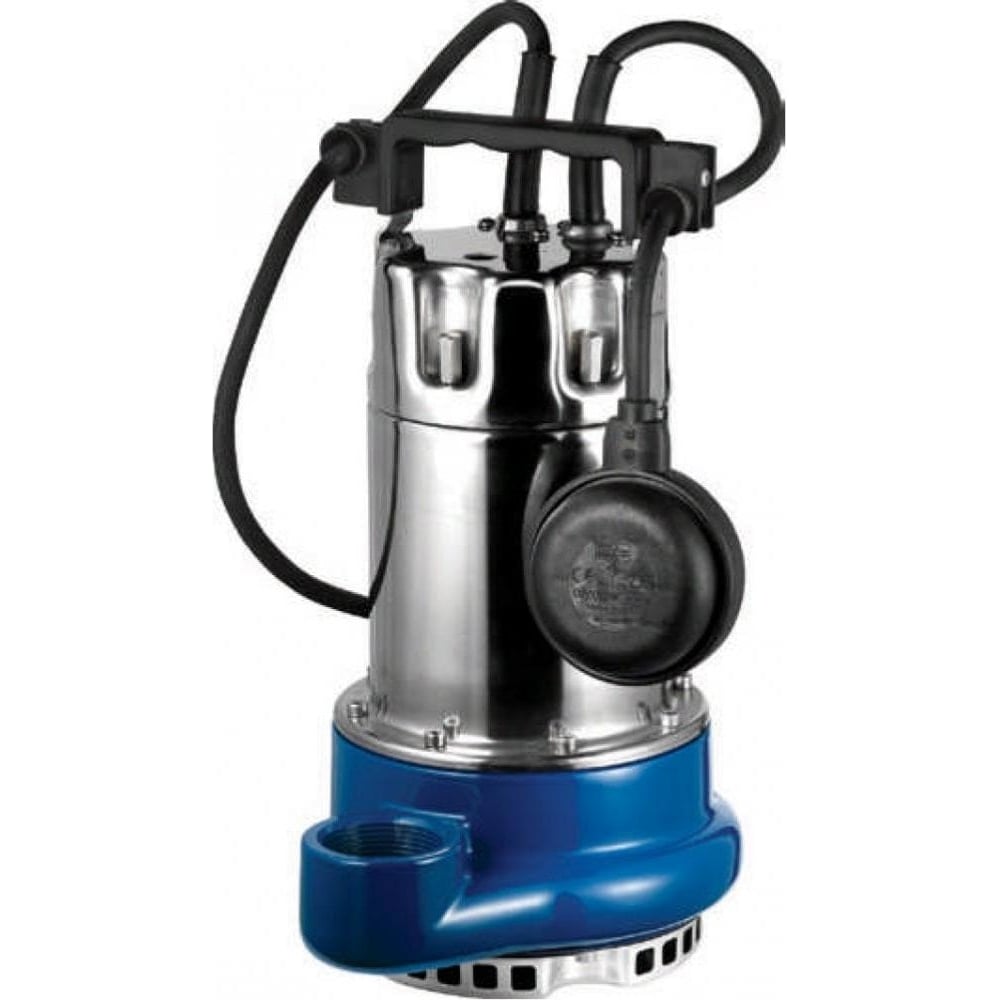
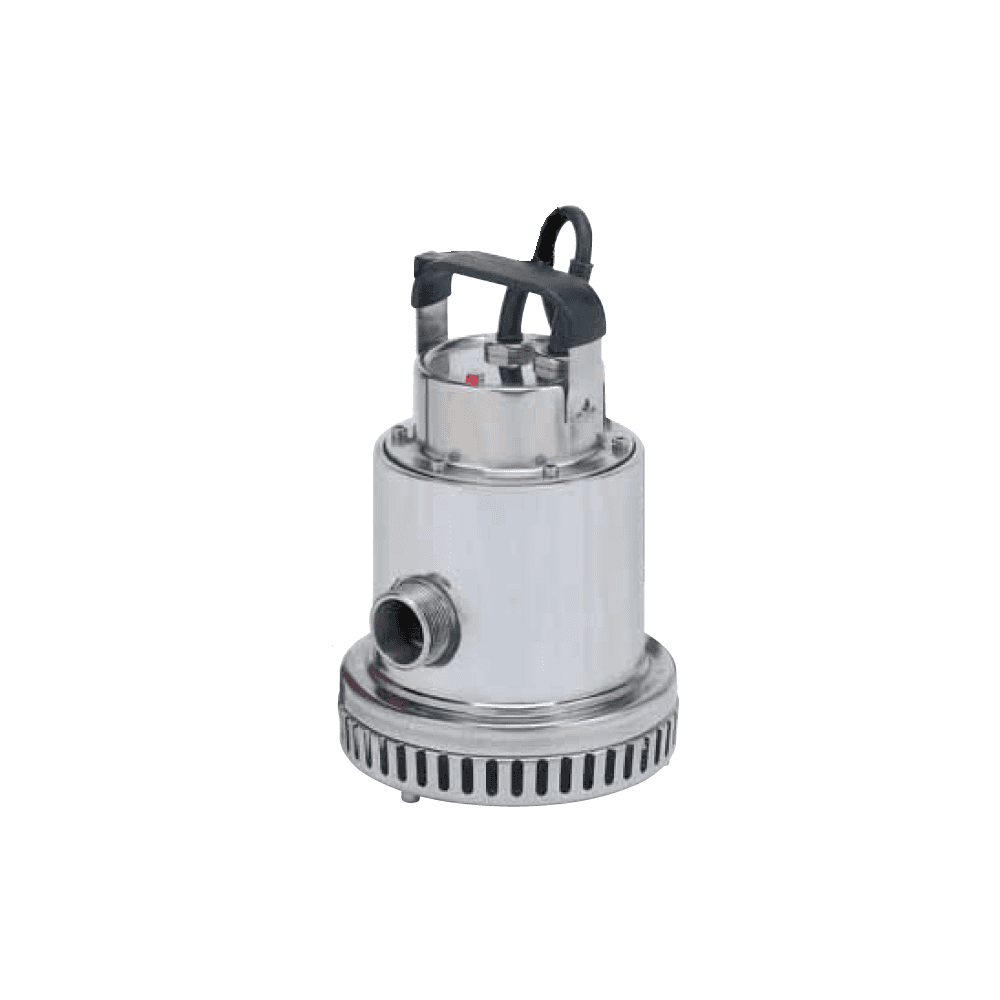
 The Pentair Jung Drenox range is a compact submersible drainage pump made entirely from AISI 304 stainless steel, for ...Read More£309.25 +VAT
 The RS-100 is a light duty submersible drainage pump built for small sumps, tanks, and light-duty clean or dirty ...Read More£123.64 +VAT
 The Pentair Jung Pumpen Omnia range is a family of compact stainless steel vortex pumps for dirty water that ...Read More£319.60 +VAT
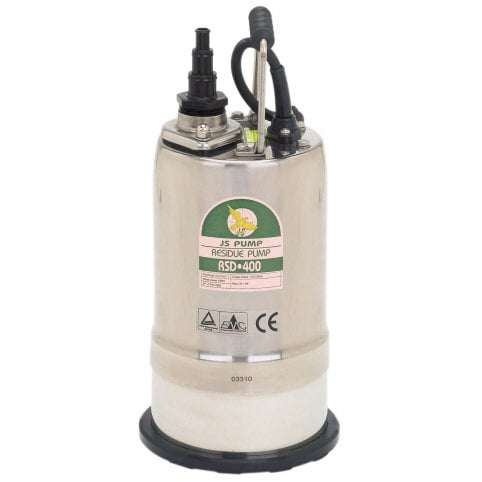
 The JS RSD-400 is a professional residue pump, often called a puddle sucker, built to take flood water down ...Read More£248.53 +VAT
 Pentair Flotec VIP and VIPVORT submersible drainage pumps are compact, lightweight pumps for emptying flooded cellars, draining rainwater and ...Read More£162.97 +VAT
- Koshin STH semi-trash pumps are petrol engine pumps built for dirty water: the sandy, silty and muddy water that ...Read More£555.93 +VAT
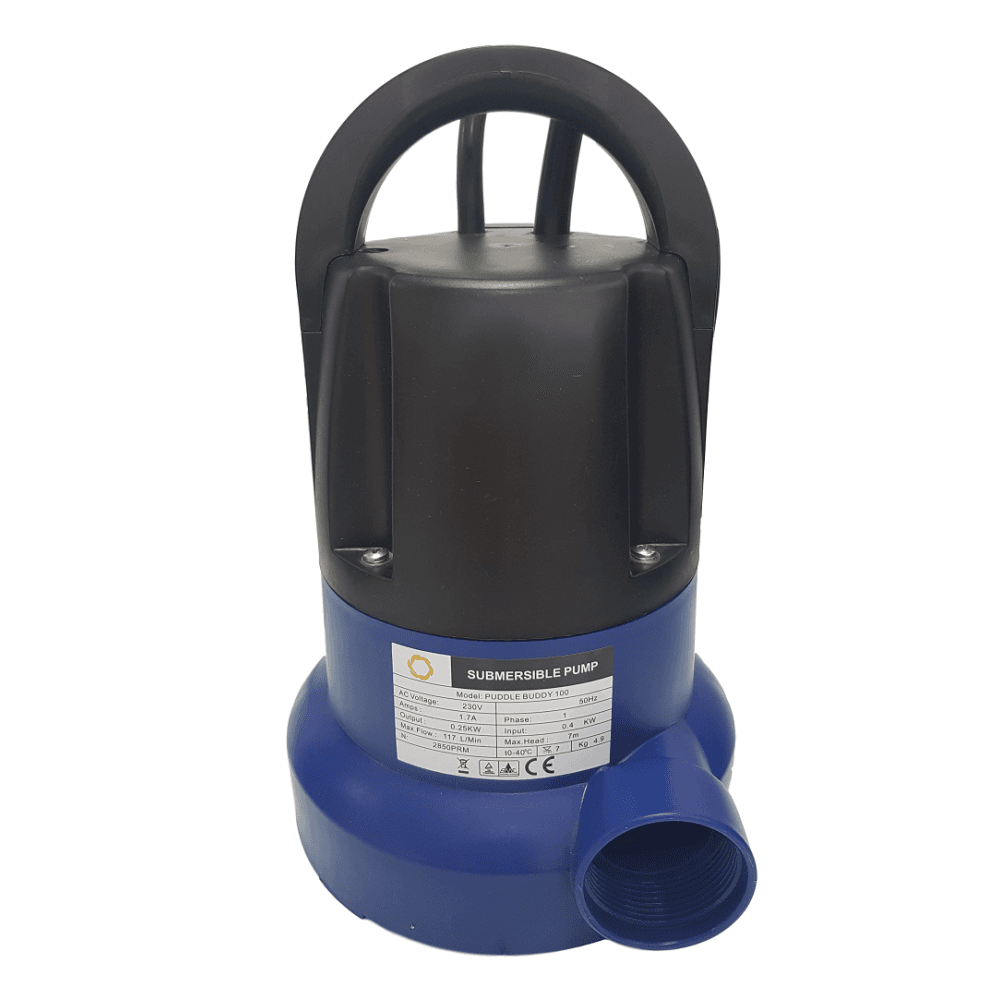
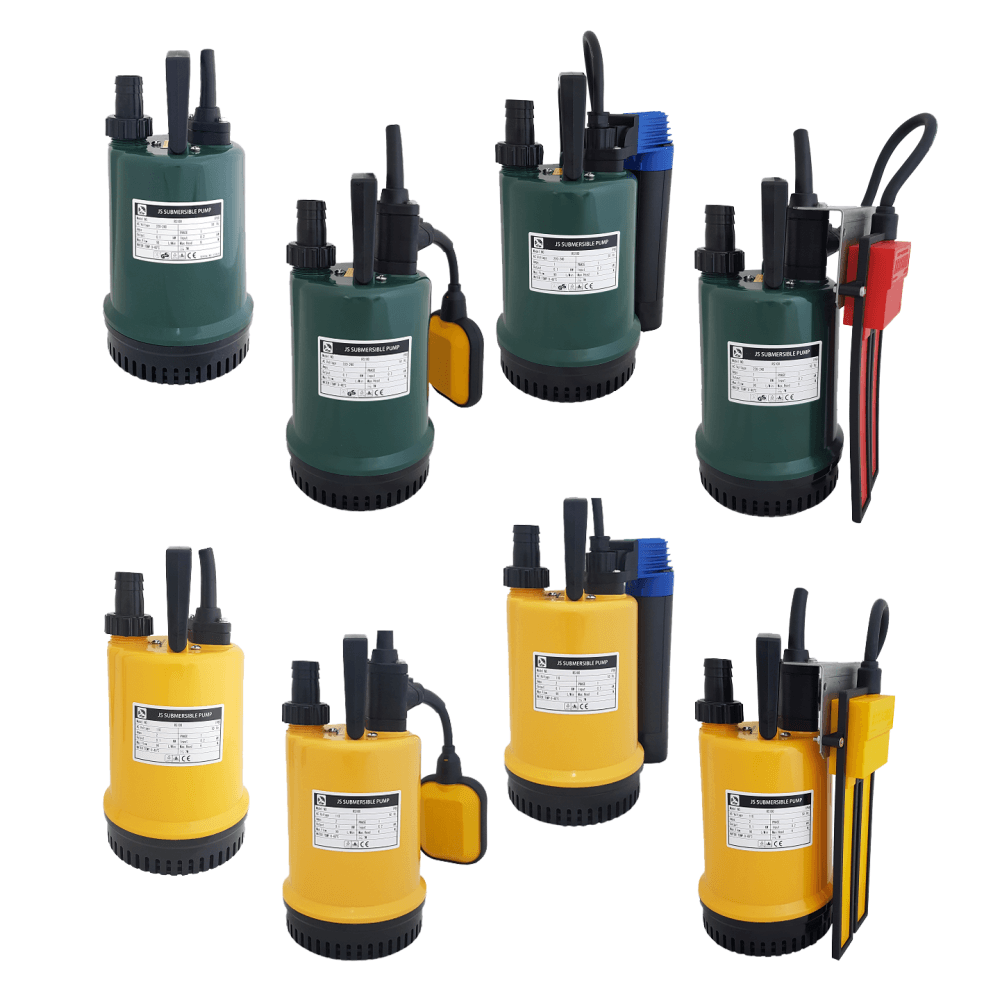
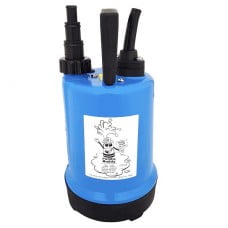
 The JS RSD 150 Puddle Buddy is a compact, portable residue pump for clearing the last of the clean ...Read More£145.03 +VAT
 Pentair Flotec Compac submersible sump pumps are small clean water pumps with the float switch built into the pump ...Read More£229.90 +VAT
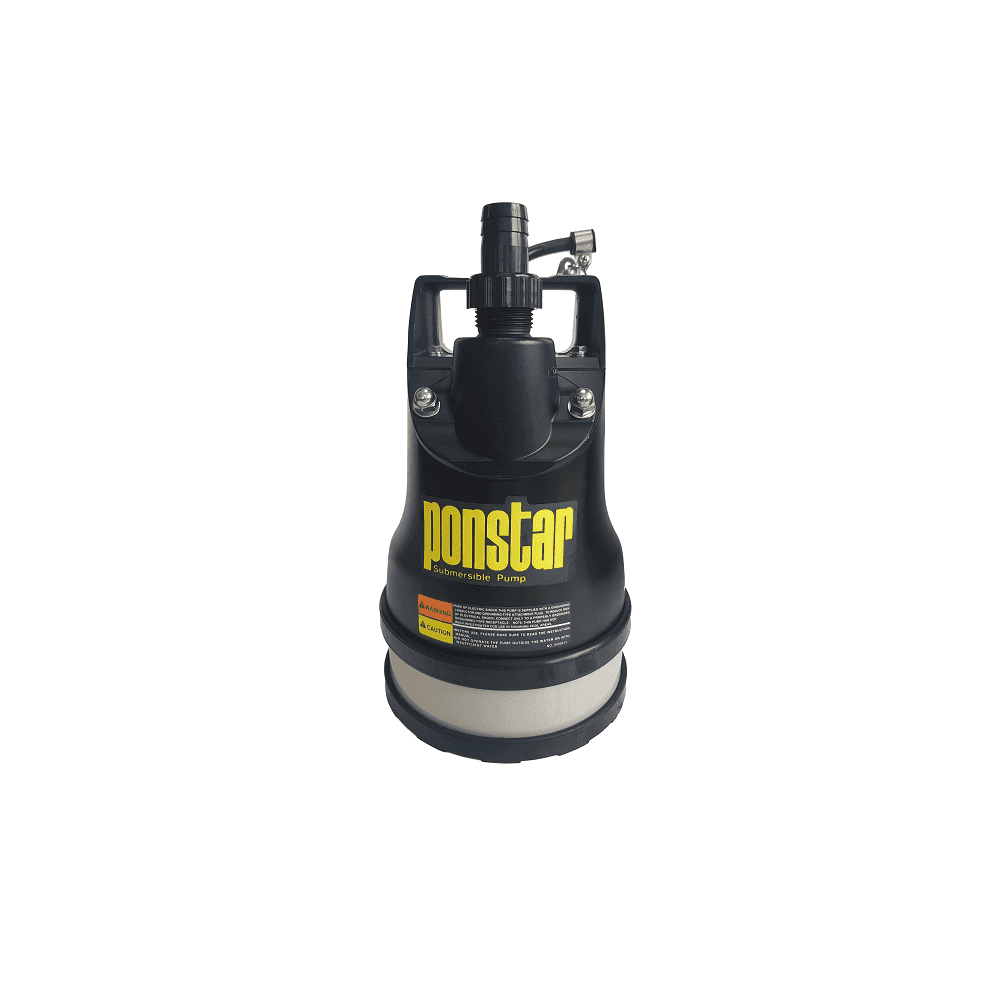
- The Koshin Ponstar PXL is a residue pump: a compact 1-inch submersible drainage pump built to take water down ...Read More£352.72 +VAT
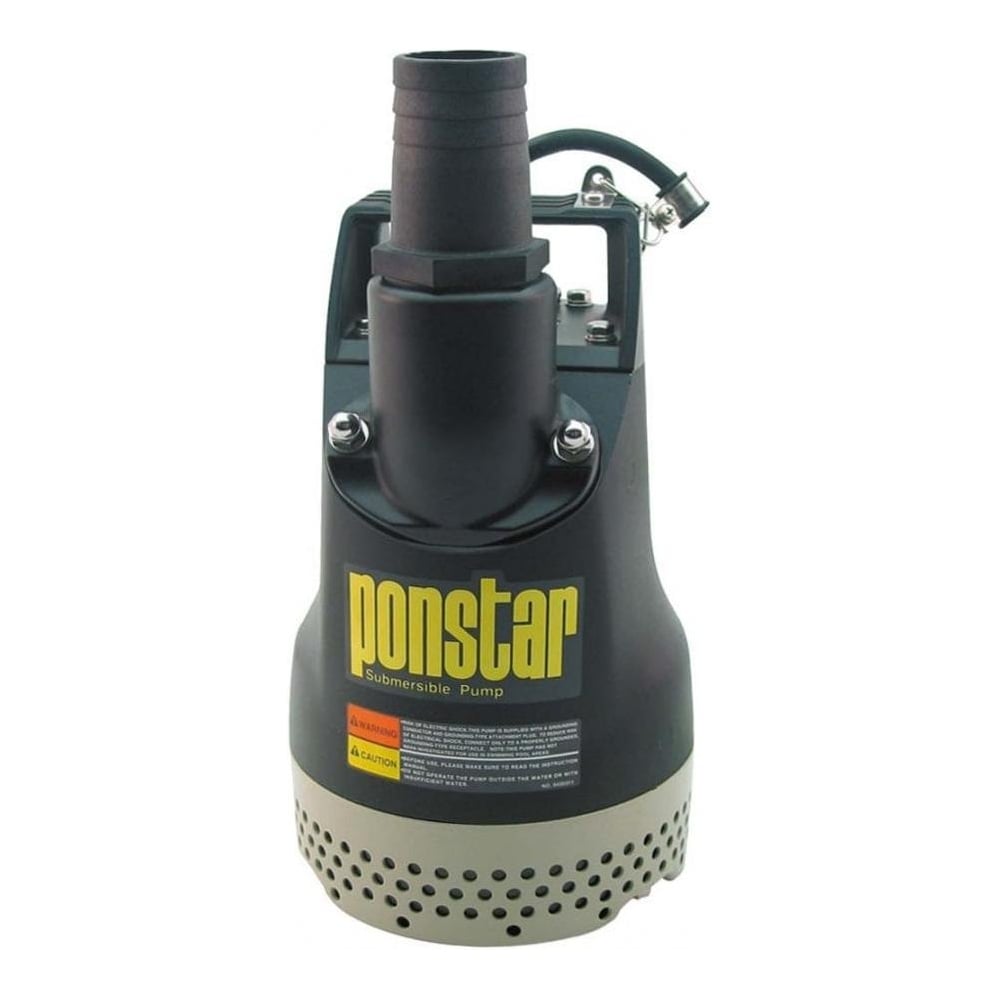
- The Koshin Ponstar PX is a heavy-duty submersible drainage pump for clean and dirty water, built for contractors, plant ...Read More£344.44 +VAT
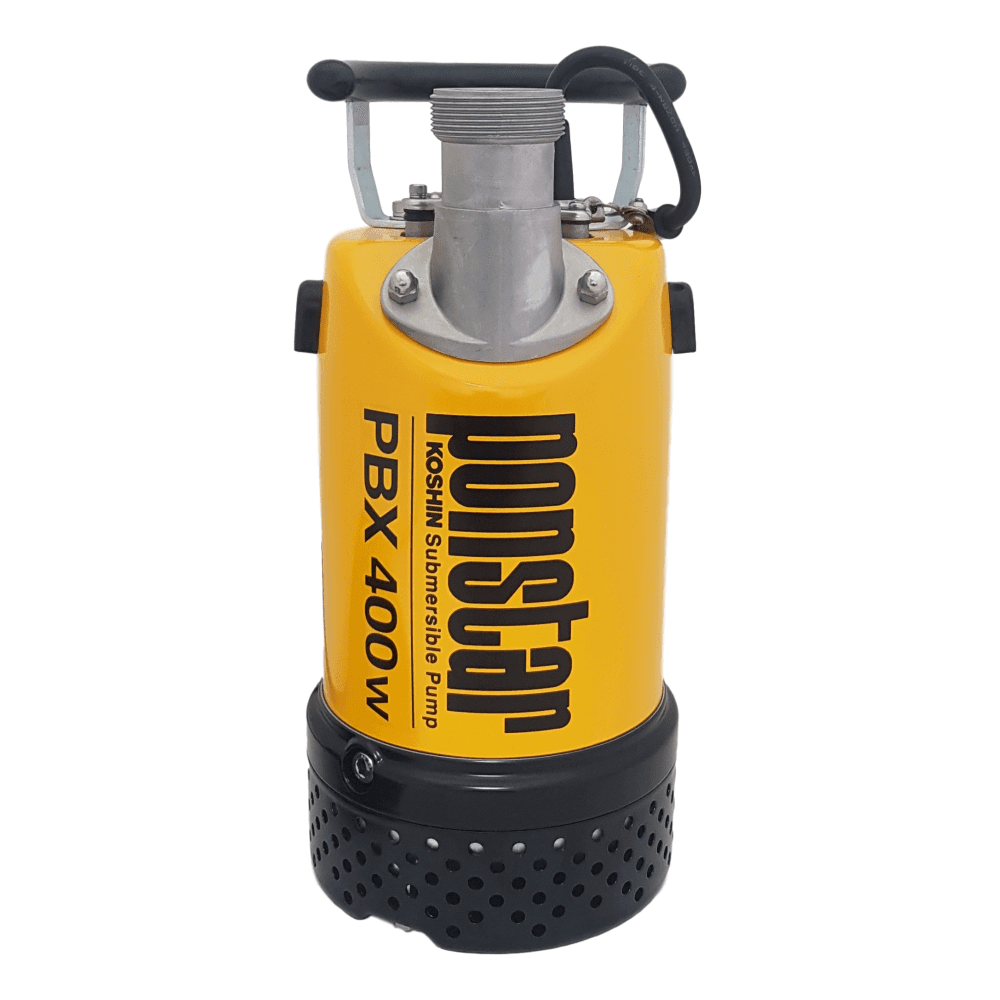
 The Koshin Ponstar PBX range is a heavy-duty 2-inch submersible pump series built for construction sites and other jobs ...Read More£374.11 +VAT
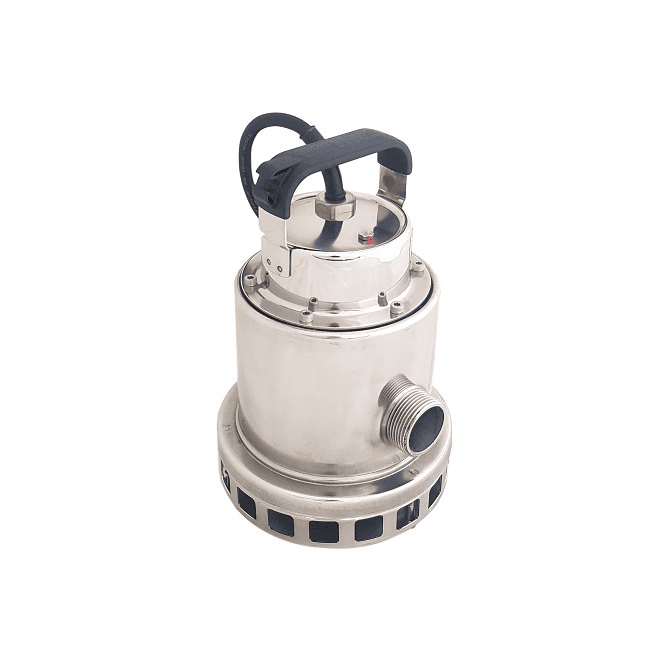
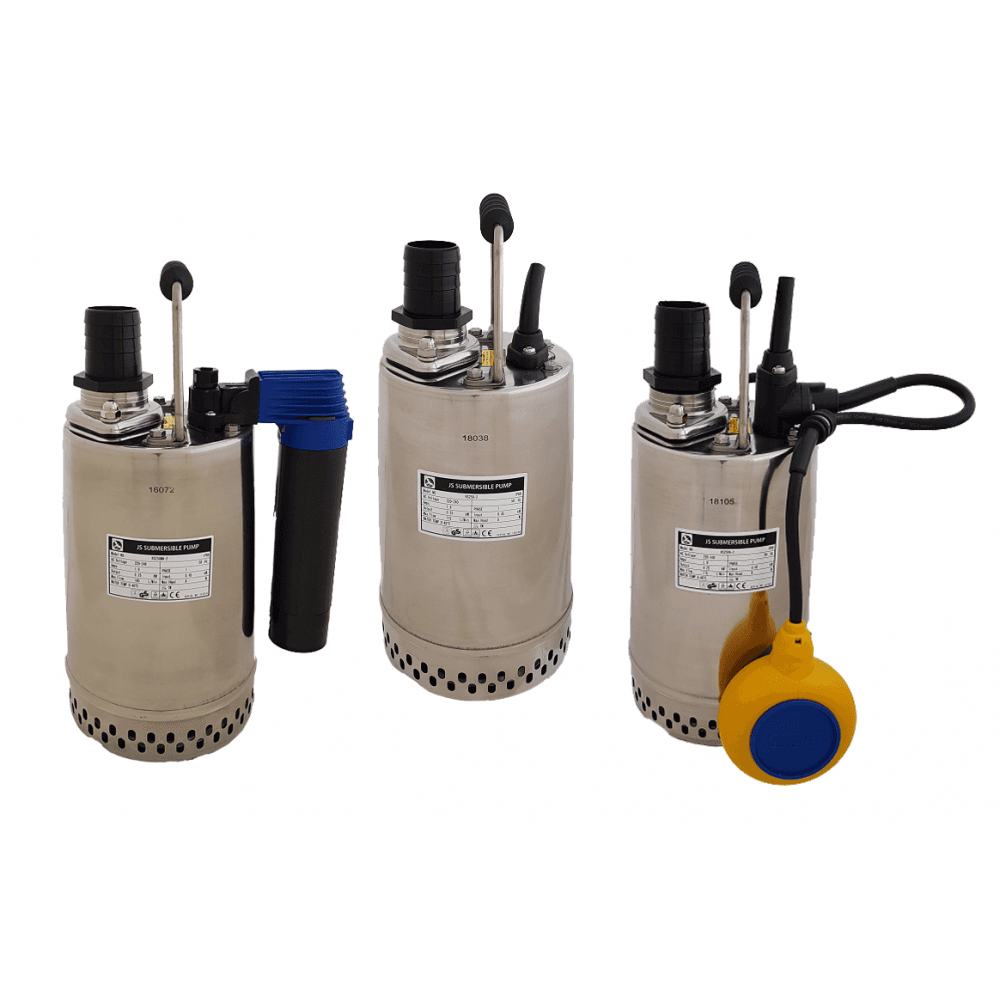
 The RS Top Outlet range is a stainless steel submersible drainage pump series built for continuous duty applications where ...Read More£234.04 +VAT



How to choose a flood pump
Start with power. In a flooded building the electrics may be off or unsafe, and an engine pump can sit outside on dry ground with only the suction hose in the water. Where a safe supply is available, an electric submersible is quieter and needs no fuel. On construction sites, choose 110v models to work from a site transformer.
Next, look at what is in the water. A drainage pump such as the Koshin Ponstar PX passes fine solids only (around 3mm), so water with heavier debris needs a vortex or trash pump. Finally, decide how dry you need the floor. A standard drainage pump loses suction once the level drops below its intake, which is where a residue pump takes over.
Flood pumps we stock
The range falls into four groups:
- Petrol engine pumps: the Koshin KTH compact trash pumps run on Honda petrol engines, pass solids up to 30mm and move up to 1600 litres per minute across the range. For cleaner water there are the Koshin SEV, Koshin STH semi-trash, Koshin SEH and Villiers RT pumps.
- Submersible drainage pumps: the JS Heavy Duty Contractor range comes in 110v or 230v, manual or automatic, with cast iron components and twin mechanical seals. Alongside it are the JS RS top outlet and JS RS 100 pumps, the Koshin Ponstar PX and PBX, the Flotec Compac and the stainless steel Jung Drenox.
- Dirty water and vortex pumps: the Vort Buddy (230v with a float switch fitted), the Flotec VIP and VIPVort and the Jung Omnia stainless steel vortex pumps handle water with soft solids.
- Residue pumps: the Koshin Ponstar PXL in 110v and 230v, the JS RSD-400 and the JS RSD 150 Puddle Buddy take water down much lower than a standard drainage pump.
Setting up a flood pump
Match the hose to the outlet: the Ponstar PX has a 2 inch outlet and takes standard 2 inch (50mm) hose. Layflat hose is quick to lay out. Run the discharge far enough away that the water cannot drain straight back towards the building.
Stand a submersible on a firm, flat surface, not in soft mud. Never use mains equipment in flood water unless the supply has been checked as safe and is RCD protected. For standby use, an automatic pump with a float switch starts by itself as the water rises.
Related applications
If water comes back every time it rains, a permanent pump in a pit is the better answer: see basement and cellar pumps. For shallow water on flat floors, browse puddle pumps or read our puddle pump guide. For excavations and trenches, see dewatering pumps.
Frequently asked questions
What is the best pump for a flooded house?
If the power is safe to use, a 230v automatic submersible drainage pump with a 2 inch outlet suits most flooded rooms and cellars. If the electrics are off, use a petrol engine pump positioned outside. Finish with a residue pump to take the floor down to a thin film before drying out.
Can I run a petrol pump inside a building?
No. Petrol engines give off carbon monoxide, so the pump must stand outside in open air with the suction hose run in through a door or window. Keep it well away from openings so the exhaust cannot drift back inside.
Will a flood pump pump a floor completely dry?
A standard drainage pump stops drawing once the water drops below its intake, so it leaves a layer behind. Residue pumps such as the Koshin Ponstar PXL and JS RSD range are built to go much lower. Many crews use both: a drainage pump for the bulk of the water, then a residue pump to finish.
Should I buy a 110v or 230v flood pump?
Buy 230v for homes and most commercial premises, where the pump runs from a normal socket on an RCD-protected circuit. Buy 110v for construction sites and plant hire, where tools run from a site transformer. The JS Heavy Duty Contractor and Koshin Ponstar PX ranges both come in either voltage.
Can a flood pump handle sewage?
Most cannot. Drainage pumps pass fine solids only, and the Vort Buddy is not suitable for toilet waste, wipes or sanitary items. If flood water is contaminated with sewage, use a sewage vortex pump from our sewage pumps range or an engine-driven trash pump such as the Koshin KTH.
Free, independent advice
Need help choosing? Ask our team
Not sure it is the right pump or motor for the job? Send us a question and our team will reply, or call us now. We have been supplying, repairing and rewinding pumps since 1948.
Monday to Friday, 8.30am to 5.30pm
Send us a question
We reply within one working day.