
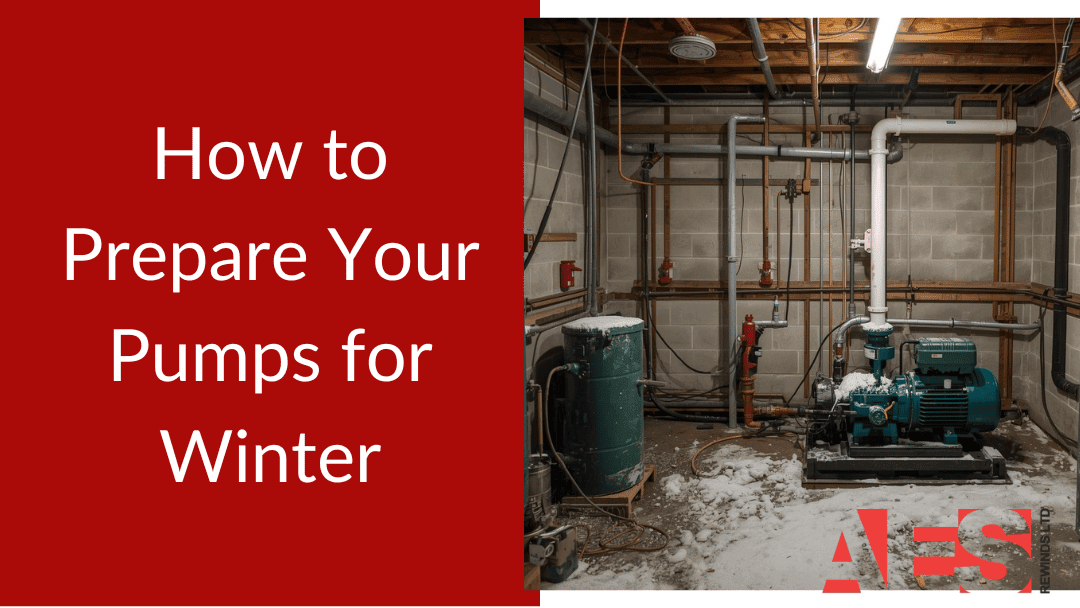
Winter brings many challenges for pump owners, but with proper preparation, you can protect your investment and avoid costly repairs when temperatures drop. Whether you rely on well pumps, sump pumps, sewage pumps, or surface-mounted pumps, taking the right steps before winter arrives is essential.
This comprehensive guide covers everything you need to know about preparing different types of pumps for winter, from understanding which pumps need winterizing to specific protection methods for each pump type.
Why Winter Preparation Matters
When water freezes, it expands by approximately 9%, while metals and other pump materials contract in cold temperatures. This opposing force creates enormous pressure that can:
- Crack cast iron pump housings
- Burst pipes and fittings
- Damage impellers and seals
- Seize motors and shafts
- Split discharge lines
Even in the UK’s relatively mild winters, unexpected cold snaps can cause significant damage. Freeze damage is typically not covered under warranty, making prevention far more economical than replacement.
Understanding Your Pump Type: What Needs Winterising?
Not all pumps require the same level of winter preparation. Here’s a breakdown by pump type:
Pumps That Generally DON’T Need Winterising
Submersible Well Pumps (Deep Wells)
If you’re wondering “can a submersible well pump freeze?”, the answer is usually no – but with important caveats. Submersible well pumps installed in deep wells typically sit well below the frost line (approximately 1-1.5 metres in most of the UK). The surrounding earth provides natural insulation, keeping water temperatures above freezing even during the coldest months.
However, the components above ground are still vulnerable:
- Wellhead connections and caps
- Pressure switches and gauges
- Supply pipes in unheated spaces
- Pressure tanks in garages or outbuildings
For complete guidance on well pump systems, see our choosing the right well pump guide.
Year-Round Sump Pumps
Basement sump pumps typically operate in conditioned spaces where temperatures stay above freezing. However, their discharge lines are highly vulnerable to freezing, which we’ll address later.
Pumps That ALWAYS Need Winterising
All Surface and Shallow Water Pumps, including:
- Self-priming pumps
- Convertible jet pumps
- Booster pumps
- Irrigation pumps
- Pool and pond pumps
- Dirty water and drainage pumps (seasonal use)
These pumps sit above ground or in shallow water, making them extremely susceptible to freezing.
How to Insulate a Well Pump House
For above-ground jet pumps and well equipment, proper insulation of the pump house is critical. Here’s how to create effective freeze protection:
Insulation Materials
Three main options are available for insulating well pump houses:
1. Closed-Cell Spray Foam (Best Performance)
- Provides both insulation and air sealing
- Excellent thermal performance
- Creates moisture barrier
- Pest-resistant
- Most expensive option but most effective
2. Rigid Foam Board (Good Performance)
- Easy to install as DIY project
- Water-resistant
- Good thermal performance
- Can be cut to fit irregular spaces
- Mid-range cost
3. Fibreglass Batts (Budget Option)
- Least expensive
- Easier for DIY installation
- Must be kept dry to maintain effectiveness
- Can be damaged by pests
- Should be used with vapour barrier
Well Pump House Insulation Steps
- Insulate Walls: Use at least 10-15cm thickness of insulation material throughout walls
- Insulate Ceiling/Roof: Overhead insulation should be thicker than walls (15-20cm minimum) as heat rises
- Install Vapour Barrier: Use 6-mil polyethylene sheeting on the warm side
- Seal All Gaps: Use caulk or expanding foam around pipes, wires, and joints
- Insulate the Floor: Consider foam board under or around concrete slabs
- Insulate All Pipes: Wrap exposed pipes with foam pipe insulation or heat tape
Critical Components to Protect
Pressure Switch: This small grey or blue box with a 6mm pipe connection is often the first component to freeze. Ensure it’s completely enclosed in insulation, including the thin connecting pipe.
Pressure Tank: Wrap with an insulation blanket or specially designed tank cover.
Exposed Piping: All pipes should have foam sleeves wrapped with duct tape or heat tape for additional protection.
Adding Heat Sources
For extreme cold or inadequately insulated pump houses:
- Heat Tape: Wrap around pipes and pressure switches, secured tightly with zip ties
- Heat Lamp: Use a weatherproof heat lamp inside enclosed pump houses (never near flammable materials)
- Small Space Heater: Install with a thermostat set to maintain 4-7°C minimum
- Incandescent Bulbs: In mild climates, one or two low-wattage bulbs may provide sufficient heat
Always ensure adequate ventilation when using heat sources to prevent condensation and carbon monoxide buildup.
Protecting Sump Pump Discharge Lines
Sump pump discharge lines face the greatest winter challenges. When these freeze, water backs up into your basement, potentially causing thousands of pounds in damage.
Signs Your Discharge Line Is Frozen
- Water not exiting at the end of the discharge pipe outdoors
- Sump pump running continuously without reducing pit water
- Ice buildup around the exterior discharge point
- Unusual pump noises or vibrations
Prevention Methods
1. Proper Installation
- Ensure discharge line slopes continuously downward (no low spots where water can pool)
- Extend line at least 3-6 metres from the foundation
- Bury discharge lines at least 30-45cm below the surface (below frost line if possible)
2. Insulation
- Wrap above-ground sections with foam pipe insulation
- Apply heat tape to vulnerable sections
- Focus on the first 3 metres where freezing is most likely
3. Use a Freeze Guard (IceGuard)
- These devices provide an alternative exit point if the main line freezes
- Install above ground, below the frost line
- Allow water to escape laterally if downstream blockage occurs
4. Increase Pipe Diameter
- Use 50mm (2″) pipe instead of 38mm (1.5″) where possible
- Larger diameter pipes resist freezing and handle higher flow rates
5. Disconnect Flexible Hoses During extended cold spells, consider temporarily disconnecting flexible discharge hoses that are most prone to freezing. Keep a spare hose ready for warmer periods.
6. Regular Testing Pour a bucket of water into the sump pit weekly during winter to:
- Verify the pump activates properly
- Confirm discharge is flowing freely
- Check for ice buildup
For more sump pump maintenance advice, see our guides on how to clean your sump pump and cleaning your sump pit.
Winterising Surface-Mounted and Irrigation Pumps
Surface pumps, irrigation systems, and seasonal-use pumps must be completely drained for winter storage.
Step-by-Step Winterisation Process
1. Shut Down Power
- Turn off the pump at the breaker or disconnect power
- Shut off any control systems
- This prevents the pump from running dry after draining
2. Close Water Supply
- Turn off the source water valve
- Break the suction vacuum
3. Disconnect Piping (if feasible)
- Disconnect water source line
- Disconnect discharge piping
- This allows complete drainage
4. Open Drain Valves
- Open both top and bottom drain plugs on the pump case
- Allow all water to drain from pump chambers
- Tip: Place buckets underneath to catch water
5. Blow Out Lines (for irrigation systems)
- Use an air compressor to blow remaining water from lines
- Hold the pump shaft with a narrow box wrench to prevent impeller from spinning too fast
- Excessive spinning can damage the motor governor
6. Close Drain Valves Once fully drained, close all drain valves
7. Add Winterisation Fluid (Optional but Recommended)
- Fill the pump case just past the impeller eye with propylene glycol (non-toxic antifreeze)
- This provides extra protection against any residual water freezing
- Never use automotive antifreeze
8. Store Indoors (if possible)
- Move portable pumps to heated storage
- Cover stationary pumps with weatherproof covers
- Tape cords and hoses to pump body to remember assembly in spring
For more information on pump operation, check our guide to priming a pump.
Protecting Sewage Pumps in Winter
Sewage pumps and grinder pumps typically operate year-round and rarely freeze since they’re usually indoors and handle warmer wastewater. However:
Key Protection Areas
- Discharge Lines: Bury below frost line or insulate above-ground sections
- Vent Pipes: Ensure vents don’t become blocked by ice or snow
- Tank or Basin Insulation: For outdoor installations, insulate the tank
- Backup Power: Consider a generator or battery backup for power outages
- Regular Maintenance: Winter is a good time for inspection – see our guide on choosing a sewage pump
Remember that sewage pumps differ from sump pumps in their construction and requirements.
Preparing Booster Pumps for Winter
Booster pumps that maintain water pressure need special attention:
- Indoor Installation: Most are protected if installed in heated spaces
- Pipe Insulation: Insulate any pipes in unheated areas (garages, cellars)
- Check Valves: Ensure check valves are functioning to prevent water sitting in exposed lines
- Frost Thermostats: Consider installing a frost-protection thermostat in pump rooms
- Regular Operation: Run the system periodically even in cold weather
For more on optimising your system, see our guide on how to increase water pressure.
Pool and Pond Pumps in Winter
Swimming Pool Pumps Pool pumps must be completely winterised:
- Drain all water from pump, filter, and heater
- Remove drain plugs and leave open
- Blow out lines with compressed air
- Store removable components indoors
- Cover the pump with a weatherproof cover
Pond Pumps Pond pumps have two options:
- Remove and Store: Clean, drain, and store indoors
- Deep Submersion: If pond is deep enough (below freeze depth), lower submersible pumps to the bottom where water stays warmer
For shallow ponds, removal is the only safe option.
Protecting Drainage and Dewatering Pumps
Drainage pumps and dewatering pumps used seasonally should be:
- Completely drained of all water
- Cleaned of debris and sediment
- Stored in a dry, above-freezing location
- Checked for wear and damage before storage
- Serviced or repaired during off-season
Year-round applications may require:
- Insulated enclosures
- Heat sources with frost thermostats
- Regular monitoring during cold snaps
Essential Winter Pump Maintenance Checklist
Before First Freeze
- [ ] Identify all pumps and their freeze vulnerability
- [ ] Drain and store seasonal pumps
- [ ] Insulate pump houses and exposed pipes
- [ ] Install heat tape where needed
- [ ] Test all float switches and controls
- [ ] Check and repair leaks
- [ ] Clean debris from pump basins and pits
- [ ] Verify discharge lines slope properly
- [ ] Install freeze guards on sump discharge lines
- [ ] Stock spare parts and backup pumps
- [ ] Test battery backup systems
During Winter
- [ ] Test sump pumps weekly
- [ ] Monitor basement for moisture
- [ ] Check pump house temperatures
- [ ] Clear snow and ice from discharge points
- [ ] Inspect insulation for damage
- [ ] Run a small trickle from taps during extreme cold (for well systems)
- [ ] Check heat tape and heating systems are functioning
- [ ] Monitor for unusual pump noises or cycling
After Winter
- [ ] Inspect pumps for freeze damage
- [ ] Reinstall seasonal pumps
- [ ] Re-prime pumps as needed (see how to prime a submersible pump)
- [ ] Test all systems thoroughly
- [ ] Schedule professional maintenance
- [ ] Replace any damaged components
Emergency: What to Do If Your Pump Freezes
Despite best efforts, freezing can occur. Here’s what to do:
Immediate Steps
- Don’t Force It: Never try to start a frozen pump
- Cut Power: Disconnect electrical power immediately
- Open a Tap: Relieve pressure by opening a nearby tap or valve
- Locate Freeze Point: Find where ice has formed
Thawing Methods
For Pipes and Small Components:
- Hair dryer (most controlled and safest)
- Heat tape wrapped around frozen section
- Warm (not boiling) towels wrapped around pipes
- Space heater in enclosed areas (never leave unattended)
Never Use:
- Open flames or torches
- Boiling water
- Excessive heat that could damage components
For Major Freezing:
- Call a professional immediately
- Don’t attempt to thaw large frozen pumps yourself
- Assess for damage once thawed
The Importance of Keeping Water Moving
One of the most effective freeze prevention strategies is maintaining water movement. Moving water is much harder to freeze than stagnant water.
For Well Systems: During extreme cold spells, allow a small trickle of water to run continuously from a tap. Even a pencil-thin stream can prevent freezing in supply lines.
For Sump Pumps: Regular testing by adding water maintains water movement through the system.
For Other Systems: Periodic operation during winter months helps prevent seizing and keeps systems functional.
When to Call a Professional
While many winterisation tasks are DIY-friendly, consider professional help for:
- Installing heat tape or heating systems
- Electrical work in pump houses
- Spray foam insulation installation
- Assessing complex well systems
- Diagnosing freeze damage
- Installing freeze protection systems
- Annual pump servicing
Understanding Pump Terminology
If you’re new to pumps or want to brush up on technical terms, check our A-Z of Pump Terminology to better understand your system.
Additional Resources
Explore our comprehensive pump guides:
- Do You Need a Sump Pump?
- What Size Sump Pump Do I Need?
- Guide to Flood Pumps
- What is a Drainage Pump?
- What is a Dirty Water Pump?
- Puddle Pump Guide
- How to Choose the Right Booster Pump
Browse Winter-Ready Pump Solutions
Preparing for winter or need to replace freeze-damaged equipment? Explore our range:
- Sump Pumps with Float Switch
- Small Sump Pumps
- Well & Borehole Pumps
- Self-Priming Pumps
- Booster Pumps
- Control Systems & Float Switches
- Hose & Accessories
Conclusion
Proper winter preparation for your pumps is not optional – it’s essential for protecting your investment and avoiding costly repairs. The key is to act before the first freeze:
- Identify which pumps need winterising based on type and installation
- Drain all seasonal-use pumps completely
- Insulate pump houses, exposed pipes, and vulnerable components
- Protect discharge lines from freezing
- Monitor systems throughout winter
- Maintain regular testing and inspection routines
Remember that well pumps below the frost line are generally safe from freezing, but their above-ground components are not. Sump pumps themselves rarely freeze, but their discharge lines are highly vulnerable. All surface pumps must be drained and protected.
By following this comprehensive guide and performing regular winter maintenance, you’ll keep your pumps running reliably through the coldest months. The small investment of time and materials for winterisation pales in comparison to the cost of burst pipes, cracked pump housings, and emergency repairs during a winter freeze.
For expert advice on selecting the right pump for your needs or assistance with winter preparation, browse our full range of pumps and accessories or contact the AES Rewinds team today.
Stay warm, stay dry, and keep your pumps protected this winter!