
3 Phase Electric Motors
At AES Rewinds, we offer a wide range of 3-phase electric motors that are popular due to their low maintenance requirements. We are confident that you will find the perfect motor for your needs.
These motors are specifically designed to operate using three-phase alternating current (AC) power, which is commonly utilised in various industrial applications. AC electricity frequently alternates direction from negative to positive and back again multiple times per second.
What are 3 phase motors used for?
- Pumps
- Pressing machines
- Lathe machines
- Grinding machines
- Conveyors
- Flour mills
- Compressors
- Low mechanical power applications
3-phase motors come in different frame types, which depend on the motor’s size. Motors ranging from 0.18kW to 15kW typically feature an aluminum frame, while those with power ratings between 18.5kW and 315kW require a cast iron frame.
Showing all 256 results

Frame Size
56Shaft Diameter (mm)
9Pole
2Shaft Length (mm)
20Power (Kw)
0.12Speed (rpm)
2840Price on request
View details
Frame Size
56Shaft Diameter (mm)
9Pole
2Shaft Length (mm)
20Power (Kw)
0.18Speed (rpm)
2780Price on request
View details
Frame Size
63Shaft Diameter (mm)
11Pole
2Shaft Length (mm)
23Power (Kw)
0.18Speed (rpm)
2840Price on request
View details
Frame Size
63Shaft Diameter (mm)
11Pole
2Shaft Length (mm)
23Power (Kw)
0.25Speed (rpm)
2840Price on request
View details
Frame Size
63Shaft Diameter (mm)
11Pole
2Shaft Length (mm)
23Power (Kw)
0.37Speed (rpm)
2840Price on request
View details
Frame Size
71Shaft Diameter (mm)
14Pole
2Shaft Length (mm)
30Power (Kw)
0.37Speed (rpm)
2820Price on request
View details
Frame Size
71Shaft Diameter (mm)
14Pole
2Shaft Length (mm)
30Power (Kw)
0.55Speed (rpm)
2840Price on request
View details
Frame Size
56Shaft Diameter (mm)
9Pole
4Shaft Length (mm)
20Power (Kw)
0.12Speed (rpm)
1375Price on request
View details
Frame Size
63Shaft Diameter (mm)
11Pole
4Shaft Length (mm)
23Power (Kw)
0.12Speed (rpm)
1395Price on request
View details
Frame Size
63Shaft Diameter (mm)
11Pole
4Shaft Length (mm)
23Power (Kw)
0.18Speed (rpm)
1380Price on request
View details
Frame Size
63Shaft Diameter (mm)
11Pole
4Shaft Length (mm)
23Power (Kw)
0.25Speed (rpm)
1385Price on request
View details
Frame Size
71Shaft Diameter (mm)
14Pole
4Shaft Length (mm)
30Power (Kw)
0.25Speed (rpm)
1400Price on request
View details
Frame Size
71Shaft Diameter (mm)
14Pole
4Shaft Length (mm)
30Power (Kw)
0.37Speed (rpm)
1400Price on request
View details
Frame Size
71Shaft Diameter (mm)
14Pole
4Shaft Length (mm)
30Power (Kw)
0.55Speed (rpm)
1395Price on request
View details
Frame Size
80Shaft Diameter (mm)
19Pole
4Shaft Length (mm)
40Power (Kw)
0.55Speed (rpm)
1420Price on request
View details
Frame Size
63Shaft Diameter (mm)
11Pole
6Shaft Length (mm)
23Power (Kw)
0.12Speed (rpm)
850Price on request
View details
Frame Size
71Shaft Diameter (mm)
14Pole
6Shaft Length (mm)
30Power (Kw)
0.18Speed (rpm)
850Price on request
View details
Frame Size
71Shaft Diameter (mm)
14Pole
6Shaft Length (mm)
30Power (Kw)
0.25Speed (rpm)
910Price on request
View details
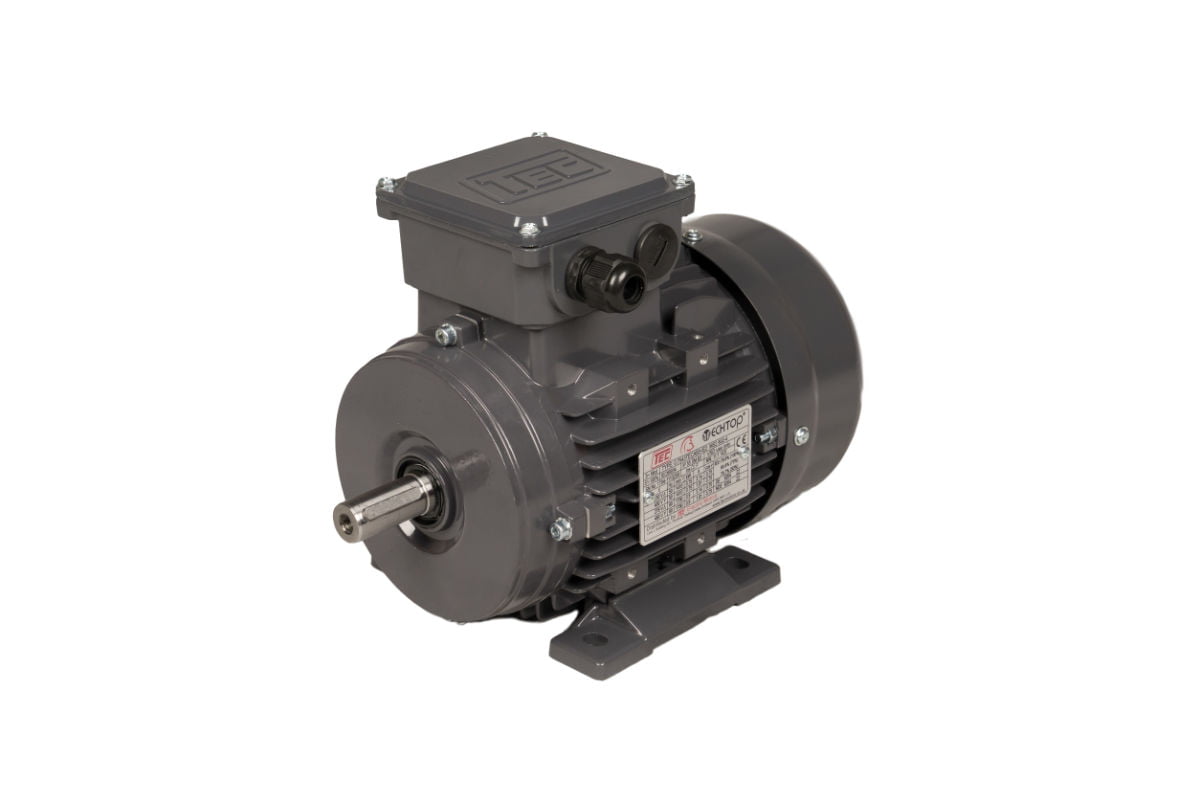
<h2>What are 3 Phase Motors?</h2>
<p>A 3 phase motor is an electric motor powered by a three-phase electrical supply. This type of motor is commonly used in industrial applications due to its ability to provide a constant torque and higher efficiency compared to single-phase motors. The three-phase supply system uses three conductors, each carrying alternating current that is phase-shifted by 120 degrees, allowing for a smoother and more balanced power delivery.</p>
<h2>Types of 3 Phase Motors</h2>
<h3>1. Induction Motors</h3>
<ul>
<li><strong>Squirrel Cage Induction Motors:</strong> These are the most common type of 3 phase motors. They are robust, require minimal maintenance, and are suitable for a wide range of applications.<br />
<strong>Wound Rotor Induction Motors:</strong> These motors have windings on the rotor and are typically used in applications requiring high starting torque or where speed control is necessary.</li>
</ul>
<h3>2. Synchronous Motors</h3>
<p>These motors operate at synchronous speed and maintain the same speed as the frequency of the power supply. They are efficient and often used in applications requiring precise speed control.</p>
<h3>3. Permanent Magnet Motors</h3>
<p>These motors use permanent magnets for rotor excitation and are known for their high efficiency and compact design. They are becoming increasingly popular in various applications, including electric vehicles and industrial automation.</p>
<p>At AES Rewinds, we provide squirrel cage induction motors because of their compatibility with inverters, compact size, and reliability. Traditionally, these motors were used in single-speed applications, where the speed control was achieved by varying the number of poles. However, with variable frequency drives (VFDs) becoming more affordable and their cost-saving benefits becoming widely recognised, these motors are increasingly being used in variable speed applications.</p>
<h2 class="text-center">Do you need an Aluminium or Cast Iron Framed Motor?</h2>
<div class="col-sm-6">
<h3 class="text-center">Aluminium 3 Phase Motors</h3>
<p>Aluminium 3 Phase Motors offer an excellent balance of weight and efficiency, making them ideal for industrial applications. They are more commonly used than cast iron in smaller frame sizes. An aluminium frame motor can weigh up to 30% less than a comparable cast iron motor, all while maintaining the same dimensions. We provide aluminium motors in 3 phase, ranging from 0.12kW to 7.5kW, with frame sizes up to 132.</p>
<p>All of our aluminium motors come equipped with sealed-for-life bearings. The fan and covers (cowls) are independent, which allows for easy replacement if they become damaged. Additionally, they can be swapped out for a Force Vent Unit if the motor is expected to operate at low speeds for extended periods.</p>
<p>Our aluminium range features cast feet that can be bolted in various positions on the motor body. This design enables the motor to be effectively ‘rotated,’ offering greater flexibility during installation. This feature also allows for the alteration of the terminal box’s position, making it possible to place it on either side of the motor. This can save space and make accessing the terminals easier for maintenance.</p>
<p>Thanks to the properties of aluminium, these motors provide enhanced resistance to corrosion, particularly in environments where the air is damp or contains corrosive particles.</p>
<p>Aluminium motors are commonly used in applications such as:</p>
<ul>
<li>Water Treatment / Sewage Plants</li>
<li>HVAC Systems</li>
<li>Food and Drink Manufacturing</li>
<li>Conveyor Systems</li>
<li>Refrigeration</li>
</ul>
<h3 class="text-center">Cast Iron 3 Phase Motors</h3>
<p>Cast Iron Motors are identical in size, but they are significantly heavier due to the nature of the material they are made from. While this can be seen as a disadvantage, there are several beneficial aspects to using cast iron. The strength of the material allows for better support of bearing seats under larger loads, including side loads that occur when using pulleys or belts. Additionally, cast iron enhances inductance, which is why IE3 motors are typically only available with cast iron frames.</p>
<p>As production costs fluctuate, the prices of cast iron motors become more competitive, particularly in the mid-range power sector starting at 11kW and above.</p>
<p>Our range of cast iron motors is available in power ratings from 0.75kW up to 220kW.</p>
<p>Cast Iron 3-phase motors are commonly found in various applications, including:</p>
<ul>
<li>Large fans</li>
<li>High-powered pumps</li>
<li>Scrap metal plants</li>
<li>Heavy industry</li>
<li>Extruders</li>
</ul>
<h2>Key Specifications to Consider</h2>
<p>When selecting a 3 phase motor, consider the following specifications:</p>
<ul>
<li><strong>Power Rating:</strong> Measured in kilowatts (kW) or horsepower (HP), this indicates the motor’s output power. Choose a motor that meets the power requirements of your application.</li>
<li><strong>Speed:</strong> The synchronous speed of a 3 phase motor is determined by the number of poles and the frequency of the supply. Common speeds include 1500 RPM (4-pole) and 3000 RPM (2-pole).</li>
<li><strong>Efficiency Class:</strong> Motors are classified based on their efficiency (IE1 to IE5), with higher classes indicating better efficiency. Selecting a higher efficiency motor can lead to significant energy savings over time.</li>
<li><strong>Duty Cycle:</strong> This indicates the motor’s operational limits, such as continuous duty (S1), short-time duty (S2), or intermittent duty (S3). Ensure the motor’s duty cycle aligns with your application’s operational patterns.</li>
</ul>
<h2>Advantages of 3 Phase Motors</h2>
<ul>
<li><strong>Higher Efficiency:</strong> 3 phase motors typically have higher efficiency ratings, leading to reduced energy consumption and lower operating costs.</li>
<li><strong>Smooth Operation:</strong> The three-phase supply provides a more continuous and stable torque output, resulting in smoother operation and reduced vibration.</li>
<li><strong>Better Starting Torque:</strong> 3 phase motors generally have a higher starting torque compared to single-phase motors, making them ideal for applications with heavy loads.</li>
<li><strong>Less Maintenance:</strong> Induction motors, in particular, require minimal maintenance due to their simple construction and robust design.</li>
</ul>
<p> </p>
</div>
Free, independent advice
Need help choosing? Ask our team
Not sure it is the right pump or motor for the job? Send us a question and our team will reply, or call us now. We have been supplying, repairing and rewinding pumps since 1948.
Monday to Friday, 8.30am to 5.30pm
Send us a question
We reply within one working day.