
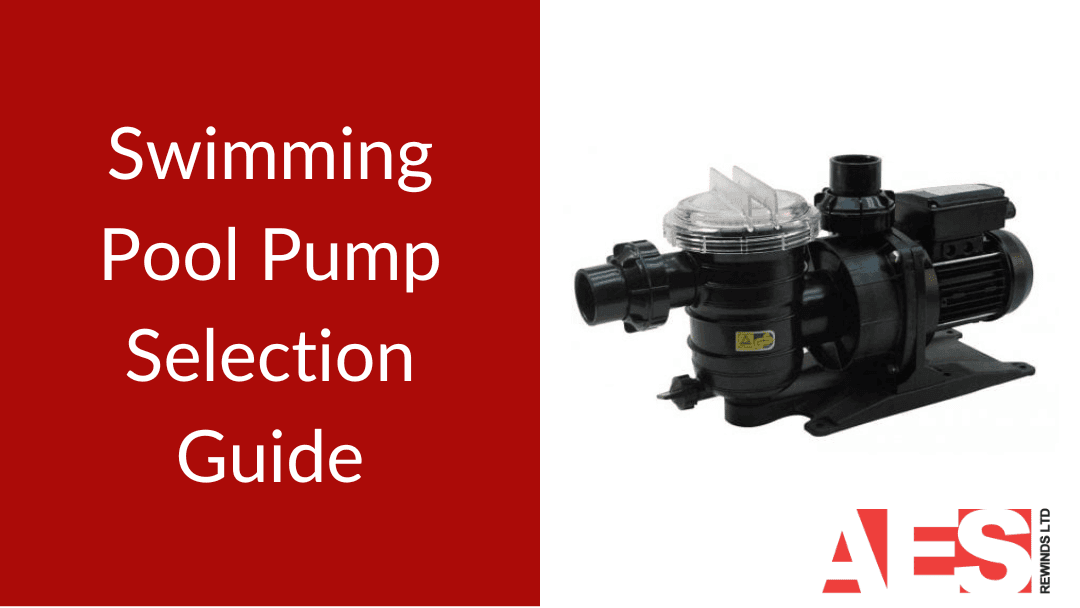
Selecting the right swimming pool pump is one of the most critical decisions for maintaining clean, safe, and efficient pool water in both commercial and residential properties across the UK. Whether you’re managing a hotel swimming facility, operating a leisure centre, or maintaining a private residential pool, the circulation pump serves as the heart of your filtration system, directly impacting water quality, energy consumption, and operational costs.
A properly sized pool circulation pump ensures complete water turnover within recommended timeframes, maintains optimal chemical distribution, and operates efficiently without overstressing your filtration equipment. Conversely, an incorrectly sized pump can lead to inadequate filtration, excessive energy bills, premature equipment failure, and potentially unsafe water conditions.
This comprehensive guide provides facilities managers, property managers, contractors, and business buyers with the technical knowledge needed to select, specify, and procure the most appropriate swimming pool pump for UK commercial and residential applications.
Understanding Swimming Pool Pump Selection
Swimming pool pump selection involves matching pump performance characteristics to your pool’s specific requirements, including water volume, circulation needs, pipework configuration, and filtration system capacity. Unlike simply replacing a failed pump with an identical model, proper selection considers the complete hydraulic system to optimise performance and efficiency.
The fundamental principle: circulate the entire pool volume within an 8-hour period for most applications. Commercial facilities may require faster turnover rates—typically 6 hours or less—to accommodate higher bather loads and maintain water quality standards in accordance with Pool Water Treatment Advisory Group (PWTAG) guidelines.
Types of Swimming Pool Pumps
Modern swimming pool pumps fall into two primary categories:
Self-priming centrifugal pumps can evacuate air from the suction line and operate above the waterline, whilst end-suction centrifugal pumps typically require installation below water level or utilise external priming methods. Both types are specifically designed for continuous operation at relatively low pressures whilst handling large water volumes.
Critical to proper selection is understanding that pool pumps operate as part of a complete hydraulic system. The pump must generate sufficient pressure to overcome all resistance in the system—including pipe friction, elevation changes, filter resistance, and fittings—whilst delivering the required flow rate for effective water treatment.
How Swimming Pool Pumps Work
Swimming pool pumps create circulation by drawing water from the pool through skimmers and main drains, passing it through filtration and treatment equipment, then returning treated water via return jets or inlets. Understanding this circulation process is essential for selecting appropriate pump specifications.
Key Components
The pump consists of several key components working in concert:
- Electric motor: Drives an impeller housed within the pump body
- Impeller: Rotates at high velocity, creating low pressure at the inlet to draw water in, then accelerates water outward through centrifugal force
- Strainer basket/pre-filter: Captures large debris before it reaches the impeller, protecting the pump from damage and reducing strain on the motor
- Pump body: Houses the impeller and directs water flow from inlet to discharge
How the Pumping Process Works
As the impeller rotates at high velocity, it creates low pressure at the inlet, drawing water into the pump. The impeller’s centrifugal force then accelerates the water outward, creating high pressure at the discharge outlet.
The pump’s effectiveness depends on its ability to generate sufficient pressure—measured in metres of head—to push water through the entire circulation system. This includes overcoming friction losses in pipework, the resistance of filter media, elevation changes between the pump and pool, and pressure losses through valves, elbows, and other fittings.
Unlike general-purpose pumps, swimming pool pumps are specifically engineered to operate continuously for extended periods, typically featuring corrosion-resistant materials suitable for chlorinated or salt water environments.
Variable-speed pool pumps incorporate permanent magnet motors similar to those found in electric vehicles. These motors operate at a wide range of speeds, typically from 600 to 3,450 revolutions per minute (RPM), allowing precise control of flow rates. The ability to operate at lower speeds for extended periods dramatically reduces energy consumption whilst maintaining effective water circulation.
Calculating Your Pool Volume
Accurate pool volume calculation forms the foundation of proper pump selection. Without knowing how much water requires circulation, determining appropriate flow rates becomes impossible. UK measurements typically use cubic metres (m³) or litres, with one cubic metre equalling 1,000 litres.
Pool Volume Formulas by Shape
| Pool Shape | Formula | Example |
|---|---|---|
| Rectangular | Length × Width × Average Depth | 25m × 10m × 1.5m = 375 m³ |
| Circular | Radius × Radius × 3.14 × Depth | 4m × 4m × 3.14 × 1.5m = 75.4 m³ |
| Oval | Long Radius × Short Radius × 3.14 × Depth | 6m × 4m × 3.14 × 1.5m = 113 m³ |
Calculating Average Depth
When dealing with pools of varying depth, calculate average depth by adding the shallow end depth to the deep end depth, then dividing by two. For example, a pool with a 1-metre shallow end and 3-metre deep end has an average depth of 2 metres.
Irregular Pool Shapes
Irregularly shaped pools require more complex calculations. Divide the pool into measurable sections, calculate each section’s volume separately, then add the results together. For kidney-shaped pools, approximate the main body as an oval and add or subtract smaller sections as necessary.
Important for commercial properties: Maintain accurate records of pool dimensions and calculated volumes. These figures are essential not only for pump selection but also for determining chemical dosing requirements, calculating bather loads, and complying with health and safety guidance.
Determining Flow Rate Requirements
Flow rate represents the volume of water your pump must circulate per unit of time, typically measured in litres per minute (l/min) or cubic metres per hour (m³/h). Proper flow rate calculation ensures your pump circulates the entire pool volume within the recommended turnover period whilst supporting all system requirements.
Basic Flow Rate Calculation
Formula: Pool Volume ÷ Turnover Time = Flow Rate (m³/h)
Example: A 60 cubic metre pool requiring 8-hour turnover needs:
- 60 ÷ 8 = 7.5 m³/h (or 125 litres per minute)
Turnover Standards
| Pool Type | Recommended Turnover | Application |
|---|---|---|
| Residential | 8 hours | Private domestic pools |
| Commercial | 6 hours | Hotels, health clubs |
| High-use Commercial | 4 hours | Leisure centres, swim schools |
Additional Factors Affecting Flow Rate
However, this minimum flow rate represents only the starting point. Additional factors may necessitate higher flow rates:
Pool Features:
- Waterfalls and fountains require additional flow capacity to operate adequately
- Spa jets demand significant dedicated flow
- Each feature manufacturer specifies minimum flow requirements that must be accommodated
Heating Equipment:
- Pool heaters require minimum flow rates for safe operation (typically specified on equipment nameplate)
- Operating below minimums can damage heat exchangers and void warranties
- Heat pumps also specify minimum and maximum flow rates for optimal performance
Automatic Pool Cleaners:
- Suction-side cleaners draw flow from skimmer lines
- Pressure-side cleaners utilise dedicated return line flow
- Both reduce effective filtration flow rate during operation
Commercial Considerations:
- Higher bather loads introduce more contaminants, requiring more aggressive water treatment
- Hotels, leisure centres, and swim schools may need to exceed standard turnover rates during peak usage
- PWTAG guidance (recognised by HSE as UK standard) provides detailed recommendations
Safety Margin
After calculating minimum flow requirements, industry best practice recommends adding a 20-30% safety margin. This accounts for:
- Filter loading (as filters capture debris, flow resistance increases)
- Future system modifications
- Natural pump performance degradation over time
This margin ensures the pump continues to meet requirements throughout its service life without operating constantly at maximum capacity, which accelerates wear.
Understanding Total Dynamic Head (TDH)
Total dynamic head represents the complete resistance your pump must overcome to circulate water through the pool system. Measured in metres, TDH combines elevation changes, pipe friction, filter resistance, and pressure losses through all fittings and equipment.
Components of Total Dynamic Head
1. Static Head
- Vertical distance the pump must lift water
- Pumps below water level: negative (provides natural syphon effect)
- Pumps above water level: positive (increases required pressure)
- Measure from pool water level to pump inlet, and pump discharge to highest return inlet
2. Friction Head
- Energy lost as water flows through pipework
- Longer pipe runs = higher friction losses
- Smaller diameter pipes = higher friction losses
- Higher flow velocities = higher friction losses
- Rule of thumb: Each 10 metres horizontal pipe ≈ 1 metre head loss
3. Fitting Losses
- Each fitting creates turbulence that dissipates energy
- 90-degree elbows: approximately 0.3 metres each
- Tee fittings, valves, and complex routing add significant resistance
- Systems with numerous bends accumulate substantial losses
4. Filter Resistance
- One of the largest TDH components
- Clean filters: 2-5 metres head loss
- Loaded filters: significantly higher
- Different filter types (sand, cartridge, DE) have different resistance profiles
5. Equipment Resistance
- UV sterilisers add resistance
- Heat exchangers add resistance
- Chemical dosing systems add resistance
- Manufacturers provide pressure loss data at various flow rates
Typical TDH Values
| Installation Type | Expected TDH Range |
|---|---|
| Simple residential | 8-12 metres |
| Typical residential | 10-15 metres |
| Complex residential | 15-18 metres |
| Commercial systems | 20+ metres |
Using TDH for Pump Selection
When reviewing pump performance curves provided by manufacturers:
- Locate the intersection of your required flow rate and calculated TDH
- Select a pump whose performance curve passes through or near this operating point
- Ideally, choose a pump that reaches your operating point near the middle of its performance range, providing flexibility for system adjustments
For facilities managers considering system modifications—such as adding UV treatment, upgrading filters, or extending pipe runs—remember that any change affecting system resistance alters the operating point. Variable-speed pumps offer significant advantages here, as the speed can be adjusted to accommodate system changes without replacing the pump.
Single-Speed vs Variable-Speed Pool Pumps
The choice between single-speed and variable-speed pumps represents one of the most consequential decisions in swimming pool pump selection, particularly given the dramatic differences in energy consumption, operational flexibility, and total cost of ownership.
Single-Speed Pool Pumps
Single-speed pumps operate at a fixed velocity, typically 3,450 revolutions per minute, whenever powered on. This singular operating point makes them either on at full power or completely off.
Advantages:
- Lower initial cost (£250-£600 for residential applications)
- Mechanical simplicity
- Fewer electronic components that might fail
- Straightforward operation
Disadvantages:
- Operate at full power continuously = maximum electricity consumption
- Typical 1.5 HP pump: 1,500-2,000 kWh annually
- Annual running cost: £450-£600 (at £0.30 per kWh)
- No operational flexibility
- Higher noise levels (70-80 decibels)
- Shorter equipment life due to continuous high-speed operation
Variable-Speed Pool Pumps
Variable-speed pumps incorporate permanent magnet motors capable of operating across a wide range of speeds, typically 600 to 3,450 RPM. This technology enables precise control over pump output whilst dramatically reducing energy consumption.
Advantages:
- Energy savings: 60-90% compared to single-speed pumps
- Annual running cost: £50-£150 (vs £450-£600 for single-speed)
- Programmable operation for different purposes throughout the day
- Near-silent operation at lower speeds (typically below 50 decibels)
- Extended equipment life (reduced mechanical stress)
- Better water filtration at lower flow rates
- Longer warranties (2-3 years vs 1 year)
- Adaptable to system modifications
Disadvantages:
- Higher purchase price (£800-£1,500 residential; £1,500-£3,000 commercial)
The Physics of Energy Savings
Energy savings achieved through variable-speed operation stem from the affinity laws of pump hydraulics. These laws demonstrate that pump power consumption varies with the cube of speed.
What this means: Reducing pump speed by half decreases power consumption to approximately one-eighth of full-speed operation.
Practical example:
- Single-speed pump at 3,450 RPM for 8 hours: 1,800 kWh annually (£540)
- Variable-speed pump programmed for 24-hour operation at varying speeds: 350 kWh annually (£105)
- Annual savings: £435
- Payback period: 1-2 years
Return on Investment
| Pool Type | Annual Savings | Payback Period | 10-Year Savings |
|---|---|---|---|
| Residential | £300-£600 | 2-4 years | £3,000-£6,000 |
| Commercial | £1,200-£1,500 | 1-2 years | £12,000-£15,000 |
Operational Flexibility
Variable-speed pumps allow different speeds for different purposes throughout the day:
- Overnight (low speeds): Maintain circulation quietly and efficiently
- Morning hours (moderate speeds): Thorough filtration before use
- Peak usage (higher speeds): Accommodate increased bather loads
- Heating/backwashing (maximum speeds): When maximum flow needed
When to Choose Each Type
Consider single-speed pumps when:
- Capital budget is extremely limited
- Pool usage is minimal (4-6 hours daily operation)
- Noise is not a concern
- You accept higher ongoing operating costs
Choose variable-speed pumps for:
- Most commercial applications
- Properties operating pumps extended hours
- Installations where noise matters
- When prioritising total cost of ownership over upfront cost
- Properties seeking energy performance improvements
- Any new installation or pump replacement where payback calculations favour efficiency
Similar to how facilities managers might approach other pump types—such as choosing between different booster pump configurations for water pressure applications—the decision should balance upfront costs against long-term operational expenses whilst considering performance requirements specific to your facility.
Selection Criteria for Commercial Properties
Commercial swimming pool pump selection requires particular attention to regulatory compliance, safety considerations, operational demands, and long-term reliability. Properties including hotels, leisure centres, health clubs, schools, and swim schools face substantially different requirements than residential installations.
Regulatory Compliance
UK Regulatory Framework:
- No specific legislation governing swimming pool equipment
- Must comply with Health and Safety at Work Act 1974
- Management of Health and Safety at Work Regulations 1999 apply
- HSE recognises PWTAG guidance as the standard for effectively managed swimming pools
PWTAG Recommendations:
- Type 2 pools (commercial facilities) require complete water circulation every 4-6 hours
- Compare to 8-hour standard for domestic pools
- This accelerated turnover necessitates higher flow rate pumps
Bather Load Calculations
Standard: 2.7 square metres of water surface area per bather
Example: A 200 square metre commercial pool accommodates approximately 74 bathers, introducing substantially more contaminants than a similar-sized residential pool serving a single family.
Peak usage periods during school holidays, weekend mornings, or fitness classes may require even more aggressive water treatment.
Redundancy Considerations
Many commercial properties specify dual-pump configurations, allowing:
- Continued operation during maintenance or pump failure
- Both pumps sharing the load for efficient, quiet operation
- One pump as primary, second as standby reserve
This redundancy proves particularly crucial for properties where pool closure impacts revenue—hotels, gyms with membership contracts, or therapeutic pools supporting medical treatments.
Material Specifications
Commercial pumps typically exceed residential standards:
| Component | Commercial Grade | Benefit |
|---|---|---|
| Impellers | Bronze | Extended service life |
| Shafts | 316-grade stainless steel | Corrosion resistance |
| Housings | Reinforced construction | Withstands continuous duty |
Commercial pumps may operate 12-16 hours daily, placing substantially greater stress on components than residential pumps running 6-8 hours.
Motor Power Requirements
Typical ranges:
- Moderate facilities: 2-7.5 horsepower
- Larger leisure centres: 10-20 horsepower or multiple pump configurations
Three-phase electrical supplies:
- Often required for larger motors
- Offer improved efficiency and more cost-effective operation
- Consider installation costs if not currently available
Energy Consumption Impact
Example: A typical hotel pool pump consuming 3,000 kWh annually at £0.30 per kWh costs £900 to operate. Multiply this by multiple pumps, and electricity becomes a substantial line item.
Variable-speed conversion:
- Can reduce costs by £600-£700 per pump annually
- Payback periods often under two years for commercial applications
- Critical for properties operating extended hours
Key Commercial Selection Factors
Noise Control:
- Pump rooms may be beneath guest rooms or near residential properties
- Variable-speed pumps at reduced speeds provide most effective noise mitigation
- Consider sound-dampening enclosures and vibration isolation mounting
Maintenance Access:
- Pump rooms need adequate clearance around equipment
- Proper lighting essential
- Safe access to all serviceable components
- Confined Spaces Regulations 1997 may apply to underground pump rooms
Integration with Building Management:
- Modern variable-speed pumps feature BACnet, Modbus protocols
- Remote monitoring and control capabilities
- Generate alerts for maintenance needs
- Track energy consumption
- Coordinate with other building systems
Water Chemistry Control:
- Automated dosing equipment requires specific flow rates
- UV sterilisation systems need minimum contact time
- Ozone generation has flow requirements
- Creates a window of acceptable flow rates the pump must deliver reliably
Multi-Pool Facilities
For facilities with multiple pool environments—main pool, teaching pool, spa, splash pad:
Dedicated pump approach:
- Each circuit has its own pump
- Independent control of turnover rates
- Appropriate filtration for each area’s usage patterns
Manifold system approach:
- Larger properties employ sophisticated routing
- Flexible routing between multiple pumps and pools
- Provides redundancy and operational versatility
Total Cost of Ownership
Budget constraints naturally influence commercial equipment decisions, but focusing solely on purchase price proves short-sighted.
TCO calculation should incorporate:
- Purchase price
- Energy consumption (largest ongoing cost)
- Maintenance requirements
- Expected service life
- Potential downtime costs
Example: A £2,000 variable-speed pump saving £700 annually in electricity whilst offering longer service life and quieter operation delivers better value than a £600 single-speed pump despite the higher initial investment.
Much like considerations for other commercial pumping applications—similar to how facilities might evaluate industrial water pumps for broader facility needs—swimming pool pump selection requires balancing immediate costs against long-term operational efficiency and reliability.
Residential Pool Pump Requirements
Residential swimming pool pump selection, whilst simpler than commercial applications, still demands careful consideration to balance performance, energy efficiency, and budget constraints.
Typical UK Residential Pool Specifications
Common pool sizes:
- Range: 20-80 cubic metres capacity
- Most common: 40-60 cubic metres
Pump specifications:
- Typical range: 0.75 to 2 horsepower
- Most suitable: 1-1.5 horsepower for standard installations
Flow rate example: A 48 cubic metre pool requiring 8-hour turnover needs minimum flow of 6 m³/h (100 litres per minute).
Residential vs Commercial Requirements
| Aspect | Residential | Commercial |
|---|---|---|
| Regulatory compliance | General building/electrical codes | PWTAG guidance, HSE standards |
| Turnover time | 8 hours | 4-6 hours |
| Operating hours | 6-8 hours daily | 12-16 hours daily |
| Redundancy | Single pump typical | Dual pumps common |
| Maintenance | Owner-performed or occasional service | Professional maintenance programmes |
The Variable-Speed Value Proposition for Homes
Residential pool owners should carefully evaluate variable-speed versus single-speed technology:
Financial comparison:
- Single-speed: £400-£500 annually in electricity
- Variable-speed: £50-£100 annually in electricity
- Purchase price premium: £600-£1,000
- 10-year savings: £3,000-£4,000
This easily justifies the higher initial investment for most homeowners planning to remain in the property for several years.
Noise Considerations for Residential Properties
Pool pumps located near bedrooms, outdoor entertainment areas, or neighbouring properties can create nuisance noise complaints.
Single-speed pumps:
- Operate at 3,450 RPM
- Generate 70-80 decibels
- Often compared to a hoover or loud dishwasher
Variable-speed pumps:
- Operate at 1,500-2,000 RPM for most circulation
- Produce minimal noise (below 50 decibels)
- Often quieter than ambient background sound
For installations where pump location near living spaces cannot be avoided, variable-speed technology effectively eliminates noise concerns.
Integration with Pool Features
Heat Pumps:
- Increasingly popular in UK for energy efficiency
- Require specific flow rates for optimal operation
- Manufacturers specify minimum and maximum flow limits
- Must be accommodated in pump sizing
Automatic Pool Cleaners:
- Require additional flow capacity beyond basic filtration
- Suction-side cleaners draw from skimmer lines
- Pressure-side cleaners use dedicated return lines
- Each adds complexity to pump sizing calculations
Water Features:
- Waterfalls, fountains, decorative jets
- Each has minimum flow requirements
- Variable-speed pumps excel here through programmable operation
Seasonal Operation in the UK
Year-round operation:
- Some homeowners maintain continuous operation
- Reduced circulation rates during colder periods
- Variable-speed pumps adjust easily through programming
Seasonal closure:
- Many UK homeowners close pools during winter
- Eliminates circulation requirements for several months
- Requires winterisation procedures
- Variable-speed programming accommodates seasonal changes
Installation Location Impact
Basement plant rooms:
- Reduced noise transmission
- May face moisture and ventilation challenges
- Easier freeze protection
Garden shed installations:
- Acoustic isolation
- Require proper weatherproofing and freeze protection
- Simple access for maintenance
Above-ground installations:
- Simplify maintenance access
- Demand sound dampening and aesthetic considerations
- Greater exposure to weather
Self-priming pumps offer flexibility in installation location, as they can operate above the water level, whilst standard centrifugal pumps require below-waterline installation or complex priming arrangements.
Filter Compatibility
Match pump output to filter specifications:
Example: A cartridge filter rated for 60 litres per minute provides a hard limit—exceeding this flow rate damages filter elements and reduces filtration effectiveness.
Filter types and characteristics:
- Sand filters: Most common for residential, moderate flow rates
- Cartridge filters: Fine filtration, strict flow limitations
- DE filters: Finest filtration, precise flow control needed
Electrical Requirements
Standard UK residential supply:
- Single-phase 230-volt
- Verify consumer unit has adequate capacity
- Particularly important for pumps exceeding 1.5 horsepower
Variable-speed advantages:
- Despite potentially higher motor ratings, often draw less current during normal operation
- More efficient than single-speed equivalents at full power
Professional installation recommended:
- Ensures proper earthing
- Correct circuit protection
- Compliance with BS 7671 wiring regulations
Budget Considerations and Used Equipment
Budget-conscious homeowners might consider refurbished or second-hand pumps, but this approach carries risks:
- Pool pumps operate in harsh environments (chlorinated water, high humidity)
- Used pumps may have significant wear
- Limited remaining service life
- Older single-speed technology offers poor energy efficiency
- For most residential applications, investing in new, efficient equipment provides better long-term value
Future-Proofing
Consider potential additions:
- Solar heating systems
- Automated chemical dosing
- UV sterilisation
- Remote monitoring systems
Variable-speed pumps’ inherent flexibility accommodates system modifications through speed adjustments rather than equipment changes, avoiding premature replacement.
Similar to maintenance requirements for other types of domestic pumps—such as understanding how to clean a sump pump—residential pool pumps require regular attention including basket cleaning, seal inspection, and periodic professional service to ensure reliable operation throughout the swimming season.
Filter Compatibility Considerations
Swimming pool pump selection cannot be divorced from filter compatibility considerations. The pump and filter operate as an integrated system—mismatched components compromise water quality, waste energy, and potentially damage equipment.
Sand Filters
Sand filters represent the most common residential filtration solution, containing silica sand or glass media that traps particles as water flows through.
Key specifications:
- Maximum flow rates specified in l/min or m³/h
- Operating beyond rated flows causes channelling—water finds paths of least resistance through media
- Excessive flow rates can lift and damage the sand bed
Example: A typical residential sand filter might rate for 10-12 m³/h (165-200 l/min).
Best practice: Pump output at normal operating speeds should fall within 70-90% of maximum rated flow, allowing filter media to work effectively whilst providing margin for increased resistance as the filter captures debris.
Cartridge Filters
Cartridge filters utilise pleated fabric elements providing fine filtration through large surface area.
Characteristics:
- Excel at capturing small particles
- Face strict flow limitations based on cartridge surface area
- Exceeding limits reduces effectiveness and damages delicate pleated elements
- Typically require lower flow rates than sand filters of comparable size
Selection implication: May necessitate larger filter units or pumps with more moderate output.
Diatomaceous Earth (DE) Filters
DE filters provide the finest filtration of the three common types, capable of removing particles as small as 2-5 microns.
Requirements:
- Demand precise flow control
- Regular maintenance essential
- Grids coat with DE layer that forms the filtration medium
- Excessive flow rates damage grids, blow coating material back into pool, reduce effectiveness
Commercial applications: Installations favouring DE filtration must specify pumps delivering appropriate flow rates without exceeding filter capacity.
Filter Resistance and System Performance
Filter resistance increases as debris accumulates, progressively restricting flow:
| Filter Condition | Typical Head Resistance |
|---|---|
| Clean sand filter | 3-4 metres |
| Loaded sand filter | 8-10 metres |
Pump type responses:
- Variable-speed pumps: Adapt by increasing speed to maintain flow as resistance rises
- Single-speed pumps: Experience declining flow rates as filters load, eventually requiring backwashing when flow drops too low
Backwashing Requirements
The backwashing process for sand and DE filters requires specific flow rates to effectively clean filter media.
Typical requirement: Backwash flow needs to be 50-75% higher than normal filtration flow to achieve sufficient fluidisation of the filter bed.
Impact on pump selection:
- Single-speed pumps: Often sized primarily for backwashing requirements, accepting less efficient operation during normal filtration
- Variable-speed pumps: Eliminate this compromise—operate at lower speeds for normal filtration, higher speeds for backwashing as needed
Multi-Port Valves
Multi-port valves controlling filter operation create additional resistance:
Valve pathways:
- Filtering
- Backwashing
- Rinsing
- Waste disposal
Each pathway presents different resistance characteristics. Accurate system modelling accounts for valve resistance in all operational modes.
UV Sterilisation and Ozone Systems
UV sterilisation and ozone generation systems impose additional flow rate constraints:
UV effectiveness depends on sufficient contact time:
- Water must flow through UV chamber slowly enough for adequate exposure
- Excessively high flow rates reduce contact time, compromising disinfection
- Manufacturers specify minimum and maximum flow rates
Pump selection must accommodate these constraints whilst maintaining adequate circulation for filtration needs.
Heat Exchangers
Heat exchangers used in pool heating systems similarly specify flow requirements:
| Flow Issue | Consequence |
|---|---|
| Insufficient flow | Overheating and damage to exchanger |
| Excessive flow | Reduced heating effectiveness, wasted energy |
Electric heat pumps require stable flow within specified ranges for optimal coefficient of performance. These heating requirements must be factored into overall pump selection.
System Upgrades and Modifications
For facilities considering system upgrades:
- Replacing sand filters with cartridge systems
- Adding UV sterilisation
- Upgrading to larger filtration capacity
Critical step: Verify that existing pumps can accommodate modified system requirements. System changes affecting flow requirements or hydraulic resistance may necessitate pump modifications or replacement.
Variable-speed advantage: Greater adaptability to system changes through speed adjustments without hardware changes.
Compatibility Best Practices
To avoid common mistakes:
❌ Specifying a powerful pump without verifying filter capacity ❌ Installing a large filter served by an undersized pump ❌ Ignoring equipment manufacturer flow specifications
✅ Match pump flow output to filtration system capacity ✅ Ensure pump provides adequate flow without overwhelming filter ✅ Verify filter offers sufficient capacity without creating excessive resistance
Similar to considerations when selecting other pumping solutions—such as evaluating self-priming pumps for various applications—matching pump capabilities to system requirements ensures optimal performance and efficiency.
Energy Efficiency and Running Costs
Energy consumption represents the largest ongoing cost for swimming pool operation, making efficiency considerations central to pump selection decisions.
The Scale of Pool Pump Energy Consumption
Swimming pool pumps rank among the highest electricity consumers in residential and commercial properties:
Single-speed pump operating 8 hours daily:
- Annual consumption: 1,500-2,500 kWh
- At UK rates (£0.25-£0.35 per kWh): £375-£875 annually
Commercial properties (multiple pumps, 12-16 hours daily):
- Electricity costs quickly reach thousands of pounds annually
- Energy becomes a substantial operational line item
The Physics of Variable-Speed Savings
The relationship between pump speed and energy consumption follows the affinity laws of hydraulics: power consumption varies with the cube of rotational speed.
What this means in practice:
- Reducing pump speed by 50% = energy consumption drops to approximately 12.5% of full-speed operation
- This dramatic relationship explains 60-90% energy savings with variable-speed pumps
Real-World Energy Comparison
48 cubic metre residential pool (8-hour turnover requirement):
| Pump Type | Configuration | Annual kWh | Annual Cost |
|---|---|---|---|
| Single-speed | 3,450 RPM for 8 hours | 1,800 kWh | £540 |
| Variable-speed | 24-hour operation at varying speeds* | 350 kWh | £105 |
*Variable-speed schedule: 1 hour at 3,000 RPM, 3 hours at 1,500 RPM, 20 hours at 600 RPM
Annual savings: £435 Payback period: 1-2 years 10-year savings: £4,350
Commercial Property Energy Analysis
Hotel pool example (12-hour daily operation):
| Scenario | Annual Cost | Annual Savings |
|---|---|---|
| Single-speed baseline | £1,500-£2,000 | – |
| After variable-speed conversion | £300-£500 | £1,200-£1,500 |
Commercial-grade variable-speed pumps: £1,500-£2,500 Typical payback period: Under 2 years 10-15 year service life savings: £12,000-£22,500
Peak Demand Charges
Some commercial electricity suppliers levy peak demand charges that penalise high instantaneous power draw.
Single-speed pump impact:
- Large motor starting = high instantaneous draw
- Triggers peak demand charges
- Increases electricity costs beyond kWh consumption
Variable-speed pump advantage:
- Continuous operation at moderate power levels
- Avoids triggering peak demand penalties
- Reduces costs beyond simple kWh savings
Optimising Variable-Speed Pump Programming
24-hour cycle strategy:
| Time Period | Speed Setting | Purpose |
|---|---|---|
| Overnight | Very low (600-800 RPM) | Maintain circulation, minimal electricity |
| Morning | Moderate (1,500-2,000 RPM) | Thorough filtration before use |
| Peak usage | Higher (2,500-3,000 RPM) | Accommodate bather loads, water features |
| Evening | Moderate (1,500-2,000 RPM) | Adequate circulation, reduced noise |
This programmed approach optimises energy use throughout the 24-hour cycle whilst maintaining superior water quality.
Time-of-Use Tariffs
Properties on time-of-use electricity tariffs (rates vary by time of day) gain additional optimisation opportunities:
Strategy:
- Schedule energy-intensive operations during off-peak hours
- Backwashing, heavy filtration, spa operation when electricity costs less
- Variable-speed programmable controls easily accommodate this
- Shift consumption to lower-rate periods
- Maintain adequate circulation during expensive peak hours
Maintenance Impact on Efficiency
Proper maintenance preserves energy efficiency throughout pump lifespan:
Efficiency-robbing issues:
- Clogged strainer baskets increase resistance
- Dirty filters force pump to work harder
- Fouled pump internals reduce efficiency
- Gradual performance degradation
Preventive measures:
- Weekly basket cleaning
- Regular filter maintenance
- Annual professional inspection
- Maintains optimal efficiency throughout service life
Energy Monitoring
Commercial properties:
- Install sub-metering for pool equipment
- Track consumption patterns
- Identify anomalies indicating maintenance needs
- Detect operational issues early
Residential owners:
- Use plug-in energy monitors
- Measure actual pump consumption
- Verify installed equipment delivers expected efficiency
- Identify problems before they become serious
Energy Supplier Rebates and Incentives
Some UK energy suppliers offer rebates or incentive programmes encouraging energy-efficient equipment installation.
Potential savings:
- Residential applications: £100-£300 offset
- Commercial installations: Larger amounts available
- Programmes designed to help utilities meet energy reduction targets
Important: Investigate available incentives before purchasing equipment—documentation and pre-approval may be required to qualify.
Environmental Considerations
Beyond pure cost analysis, environmental considerations increasingly influence equipment decisions:
Variable-speed pumps deliver:
- Dramatically lower energy consumption
- Substantially reduced carbon footprint
- Alignment with environmental certifications (BREEAM for commercial buildings)
- Support for sustainable operations
For properties pursuing environmental objectives, variable-speed pump selection delivers both environmental benefits and financial savings.
The energy efficiency advantages of modern pool pump technology mirror benefits seen in other pump applications. For example, facilities that have already evaluated how to increase water pressure through efficient pump selection understand the value of matching equipment capabilities to actual requirements rather than defaulting to oversized, energy-wasting solutions.
Installation Requirements
Proper swimming pool pump installation proves critical for safe, efficient, and reliable operation. Whilst professional installation by qualified personnel is strongly recommended, understanding these requirements helps with planning and specification.
Location Selection
Ideal environments:
- Well-ventilated areas
- Protected from weather extremes
- Shielded from direct sunlight
- Adequate drainage provisions
Installation options:
| Location Type | Advantages | Considerations |
|---|---|---|
| Indoor plant rooms | Ideal protection, controlled environment | Requires adequate ventilation, humidity control |
| Purpose-built pump houses | Good protection, acoustic isolation | Weather protection, access provisions |
| Garden sheds | Separation from living spaces | Weatherproofing, freeze protection needed |
Mounting Position and Pump Types
Self-priming pumps:
- Can be installed above water level
- Automatically evacuate air from suction lines during startup
- Offer greater installation flexibility
Standard centrifugal pumps:
- Typically require installation below water level
- May need foot valves on suction lines to maintain prime
- Excessive lift (>1.5-2 metres on suction side) reduces flow capacity and may prevent proper operation
Vibration and Noise Control
Foundation requirements:
- Mount on solid concrete pads or structural platforms
- Platform must support equipment weight without flexing
- Incorporate vibration isolation pads beneath mounting feet
- Prevents vibration transfer to building structures
Additional acoustic treatment:
- Sound-dampening enclosures for occupied buildings
- Flexible connections to disconnect vibration paths
- Particularly important for installations near living/sleeping areas
Electrical Installation Compliance
UK regulatory requirements:
- Must comply with BS 7671 wiring regulations
- Proper earthing essential
- Circuit protection via appropriately rated circuit breakers or RCDs
- Waterproof connections required
Power supply specifications:
- Residential: Typically 230V single-phase
- Commercial (large motors): May require 400V three-phase
Professional installation critical:
- Work performed by qualified electricians
- Holding appropriate certifications
- Ensures compliance and safety
Circuit Protection Sizing
Important considerations:
- Variable-speed pumps often draw lower currents during normal operation than single-speed equivalents at full power
- Consult manufacturer specifications for precise electrical requirements
- Ensure supply cables and protective devices have adequate capacity
Risks of improper sizing:
- Undersized protection: Trips frequently, causes operational disruption
- Oversized protection: Fails to provide adequate safety
Pipework Configuration Best Practices
Minimise system resistance:
- Minimise pipe runs between pool and pump
- Use largest practical pipe diameter (2-inch/50mm or larger for residential, larger for commercial)
- Avoid unnecessary elbows, tees, and valves
- Where direction changes unavoidable, use long-radius elbows rather than sharp 90-degree fittings
Essential components:
Union connections (suction and discharge sides):
- Allow pump removal for servicing
- No need to disturb permanent piping
- Greatly simplify maintenance and eventual replacement
Isolation valves (suction and discharge sides):
- Gate valves or ball valves
- Allow isolating pump from system during service
- Must be fully open during normal operation—partially closed valves dramatically increase system resistance
Strainer Basket Installation
Critical component:
- Captures large debris before it reaches impeller
- Must be properly sealed
- Air leaks on suction side cause loss of prime and erratic operation
Maintenance schedule:
- Clean weekly minimum
- More frequently during heavy usage
- Remove accumulated leaves, hair, debris
Instrumentation
Pressure gauges (filter inlet and outlet):
- Provide valuable operational information
- Rising differential pressure indicates filter loading
- Signals backwash or cleaning needs
- Sudden pressure changes may indicate system problems
Particularly beneficial for commercial installations providing operational data for maintenance planning.
Drainage and Flood Prevention
Plant room design:
- Incorporate floor drains
- Slope floors to carry water safely away
- Position equipment to facilitate leak detection
- Minimise potential water damage
Outdoor installations:
- Require adequate drainage
- Prevent standing water around electrical components
- Protect against weather intrusion
Freeze Protection for UK Climate
Essential in UK where winter temperatures routinely drop below freezing:
Heated/insulated spaces:
- Plant rooms and pump houses should be heated
- At minimum, provide adequate insulation
Unheated spaces:
- Require winterisation if not operated throughout winter
- Drain completely
- Store in protected locations
Variable-speed pump advantage:
- Can run continuously at minimal speeds
- Maintains water circulation to prevent ice formation
- Provides freeze protection without high energy costs
Clearance and Accessibility
Minimum clearances:
- At least 500mm on pump service side
- Allows motor removal and impeller access
- Additional space for accessing valves, gauges, controls
Benefits of adequate clearance:
- Simplifies maintenance
- Reduces service costs
- Minimises downtime
- Facilitates future equipment replacement
Cramped installations complicate routine maintenance and increase long-term costs.
Commissioning Procedures
Essential startup verification:
- Prime the pump: Fill with water before initial startup (self-priming designs) or verify no air in system (standard centrifugal)
- Start and monitor: Verify flow through return lines to pool
- Check for leaks: Inspect all connections, tighten fittings as needed
- Listen for issues: Monitor for unusual noise, vibration, or anomalies
- Verify electrical: Test timers, controllers, automation interfaces
Installation Documentation
Record for future reference:
- Pump model and serial numbers
- Installation date
- Electrical specifications
- Unique configuration details
- Manufacturer literature
- Wiring diagrams
- Warranty documentation
This information proves invaluable when seeking service support or planning replacements.
Professional Installation Benefits
Whilst DIY installation adds to initial costs, professional installation provides:
✅ Safety assurance ✅ Optimised performance ✅ Protected equipment warranties ✅ Compliance documentation for commercial properties ✅ Peace of mind
Many manufacturers condition warranty coverage on installation by qualified personnel following prescribed procedures.
Maintenance and Troubleshooting
Regular maintenance preserves swimming pool pump performance, extends service life, and prevents costly failures. Establishing systematic maintenance routines appropriate to your facility type ensures reliable operation.
Weekly Maintenance Tasks
Strainer Basket Inspection and Cleaning
This critical component traps large debris before it reaches the impeller.
Weekly procedure:
- Remove strainer lid
- Extract basket
- Thoroughly clean all captured material
- Inspect basket for cracks or damage
- Check lid o-ring for proper seating
- Lubricate o-ring with silicone-based lubricant
When to clean more frequently:
- Heavy usage periods
- Nearby vegetation shedding leaves
- Windy conditions increasing debris
Flow Rate Monitoring
Provides early warning of developing problems.
Baseline establishment:
- Note flow rates during normal operation
- Most variable-speed pumps display current flow
- Record typical values as reference
Warning signs:
- Reduced flow despite clean strainer baskets
- May indicate: impeller blockage, worn bearings, seal failure, system leaks
For pumps without flow displays:
- Monitor filter pressure gauges
- Declining pressure despite clean filters = reduced pump output
Monthly Inspection Checklist
Leak Detection:
- ✓ Check around pump seals
- ✓ Inspect valve packings
- ✓ Examine all pipe connections
- ✓ Look for moisture around shaft (indicates seal wear)
Bearing Noise Assessment:
- Healthy bearings: Run quietly with minimal vibration
- Warning signs: Grinding, squealing, increased vibration
- Action required: Address promptly to prevent catastrophic failure
Electrical Connection Inspection:
- Particularly important for outdoor installations
- Check for: corrosion, loose terminals, damaged insulation
- Qualified electricians should perform electrical inspections
Motor Cooling Verification:
- Ensure cooling fins stay clean
- Verify adequate ventilation in pump room
- Check nothing obstructs airflow around motor
- Blocked cooling = overheating = premature motor failure
Annual Professional Maintenance
Commercial properties should implement preventive maintenance programmes:
- Scheduled professional inspections (quarterly or semi-annually)
- Document all service activities
- Identify developing problems before failures
- Support regulatory compliance
- Provide insurance documentation
Common Troubleshooting Scenarios
Problem: Pump Won’t Start
Check:
- ✓ Electrical supply at consumer unit
- ✓ Circuit breakers haven’t tripped
- ✓ Variable-speed controller displays power
- ✓ Timers or automation systems allowing operation
- ✓ Pump hasn’t entered protection mode (overheating/electrical faults)
Problem: Pump Starts But Quickly Stops
Common causes:
- Overheating (blocked ventilation)
- Excessive load
- Electrical problems
Investigate:
- ✓ Obstructions around motor
- ✓ Voltage at pump matches specifications
- ✓ System resistance hasn’t increased substantially
Problem: Reduced Flow
Systematic diagnosis:
- Clean strainer basket thoroughly
- Verify all valves fully open
- Check filter pressure:
- High pressure = filter needs cleaning
- Low pressure = pump problems
- Inspect for air leaks on suction side
- Check impeller for blockages or damage
Problem: Noisy Operation
Potential causes:
- Bearing wear
- Cavitation (insufficient water reaching pump inlet)
- Loose mounting bolts
- Failed vibration isolation
Investigate:
- ✓ Adequate suction-side water level
- ✓ Suction lines not restricted
- ✓ Mounting bolts tight
- ✓ Vibration isolation intact
About cavitation: A damaging condition where insufficient water reaches the pump inlet, causing vapour bubbles to form and collapse violently.
Problem: Leaking Seal
Understanding seal wear:
- Mechanical seals eventually wear (particularly in chlorinated water)
- Small leaks initially may seal when pump runs and water pressure increases
- Progressive deterioration requires replacement
Action: Professional service recommended—improper seal installation causes rapid failure
Problem: Tripping Circuit Breakers
Suggests serious electrical issues:
- Electrical overload
- Short circuits
- Earth faults
Possible causes:
- Moisture in motor windings
- Damaged wiring
- Pump mechanical problems causing excessive current draw
Action: Qualified electricians must investigate
Maintenance Record Keeping
Document all maintenance activities:
- Routine servicing dates
- Repairs performed
- Parts replaced
- Unusual observations
Benefits:
- Identifies recurring problems
- Tracks consumable parts replacement intervals
- Provides valuable troubleshooting information
- Supports warranty claims
- Helps with professional service support
Service Agreements for Commercial Properties
Establishing relationships with qualified pool equipment service providers:
Maintenance contract benefits:
- Routine servicing coverage
- Emergency callout support
- Guaranteed parts supply
- Reduced downtime risk
For commercial properties where pump failure causes significant disruption, these service agreements provide valuable insurance.
Parts Availability Considerations
Choose mainstream manufacturers with established UK distribution:
- Replacement parts remain available throughout service life
- Quick delivery times
- Responsive technical support
Risks with obscure brands or imported equipment:
- Lengthy parts delivery times
- Complete unavailability in some cases
- Extended downtime when repairs needed
Similar maintenance principles apply across different pump types. Facilities maintaining multiple pump systems—swimming pools along with basement sump pumps or drainage pumps—benefit from establishing comprehensive maintenance programmes covering all pumping equipment rather than managing each system independently.
Common Selection Mistakes to Avoid
Understanding frequent errors in swimming pool pump selection helps property managers, facilities operators, and homeowners avoid costly mistakes. These pitfalls, whilst common, prove entirely preventable through proper analysis.
1. Oversizing Pumps
The misconception: Larger pumps automatically deliver better performance
The reality:
- Wastes energy (potentially doubles electricity consumption)
- Damages filters through excessive pressure
- Creates excessive noise
- Costs substantially more to operate
- May overwhelm filtration system
Example: A 2 HP pump installed where 1 HP suffices might double electricity consumption whilst potentially overwhelming the filter system.
Prevention: Proper sizing calculations based on actual pool volume and turnover requirements
2. Undersizing Pumps
The motivation: Aggressive cost-cutting on pump purchase
The consequences:
- Compromises water quality
- Forces equipment to operate continuously at maximum capacity
- Accelerated wear
- Frequent failures
- Inadequate water treatment
The math: Modest savings in purchase price pale beside ongoing operational problems and premature replacement costs.
3. Failing to Account for Total System Resistance
The mistake: Calculating required flow rate without considering:
- Pipe friction losses
- Elevation changes
- Filter resistance
- Fitting losses
The result: Pumps that deliver inadequate flow despite appearing properly sized on paper
Prevention: Comprehensive TDH calculations ensure selected pumps can overcome actual system resistance
4. Ignoring Filter Compatibility
The problem: Specifying a powerful pump without verifying filter capacity
Creates:
- Damaged filter elements
- Reduced filtration effectiveness
- Frequent maintenance requirements
Remember: The pump and filter must work as an integrated system, with pump output matched to filter specifications.
5. Focusing Exclusively on Purchase Price
The short-sighted approach: Choosing based solely on upfront cost
Total cost comparison over 10 years:
| Option | Purchase Price | Annual Operating Cost | 10-Year Total |
|---|---|---|---|
| £400 single-speed | £400 | £500 | £5,400 |
| £1,200 variable-speed | £1,200 | £100 | £2,200 |
Better value: Variable-speed option saves £3,200 despite higher initial cost
Consider: Purchase price, installation costs, energy consumption, maintenance requirements
6. Replacing Failed Pumps “Like for Like”
The risk: Perpetuating problems that caused original failure
Better approach:
- Investigate why the original pump failed
- Address underlying problems (incorrect sizing, poor maintenance, adverse conditions)
- Prevents repeated failures with replacement equipment
7. Neglecting Noise Considerations
Creates nuisance problems for:
- Residential installations near bedrooms
- Hotels with pump rooms adjoining occupied spaces
- Properties with close neighbours
Single-speed reality: Operating at 3,450 RPM generates substantial noise that penetrates building structures
Solution: Specify quieter variable-speed pumps or incorporate sound dampening
8. Inadequate Electrical Supply
Installation problems:
- Installing three-phase equipment without verifying supply availability
- Specifying equipment drawing currents exceeding circuit capacity
Creates: Safety hazards and operational failures
Prevention: Verify electrical requirements before equipment selection, complete supply upgrades before installation
9. Poor Installation Planning
Compounds equipment selection errors:
- Placing pumps in locations with inadequate ventilation → overheating
- Installing without vibration isolation → noise transmission
- Cramped installations → complicated maintenance, increased costs
Solution: Proper installation planning during selection phase ensures adequate space, appropriate locations, necessary infrastructure
10. Ignoring Future Requirements
Leads to: Premature equipment obsolescence
Properties planning to add:
- Heating systems
- Water features
- Automatic cleaners
Should: Specify pumps with adequate capacity for anticipated additions
Variable-speed advantage: Accommodate system changes via programming rather than hardware replacement
11. Overlooking Energy Rebates
The waste: Missing opportunities to reduce net equipment costs
Potential savings:
- UK energy supplier incentives: £100-£300 (residential)
- Larger amounts for commercial installations
Action required: Investigate available programmes before purchase—documentation and pre-approval may be required
12. Proceeding Without Professional Advice
Risk: Complex commercial installations invite problems
Benefit from professional design services:
- Multiple pools
- Integrated controls
- Sophisticated treatment systems
Ensures:
- Proper equipment selection
- System integration
- Regulatory compliance
The value: Modest cost of professional design prevents expensive mistakes and operational problems
13. Accepting Inadequate Documentation
Compromises:
- Future maintenance
- Troubleshooting capabilities
- Informed repair/replacement decisions
Comprehensive documentation should include:
- Complete manufacturer literature
- Installation records
- Operational parameters
- Wiring diagrams
- Warranty information
14. Neglecting Commissioning Procedures
The risk: Problems remain undetected until failures occur
Professional commissioning:
- Verifies proper installation
- Identifies problems requiring correction
- Establishes baseline operating parameters
- Provides operational training
Ensures: Equipment performs as designed from day one
Recommended Swimming Pool Pumps from AES Rewinds
Looking for reliable swimming pool pumps for your commercial or residential property? At AES Rewinds, we stock a comprehensive range of swimming pool pumps designed to meet the demanding requirements of UK installations, from small residential pools to large commercial leisure facilities.
Products by Category
%22%20transform%3D%22translate(.6%20.6)%20scale(1.17188)%22%20fill-opacity%3D%22.5%22%3E%3Cellipse%20rx%3D%221%22%20ry%3D%221%22%20transform%3D%22rotate(171.7%2063.8%2069.2)%20scale(91.00722%2059.54562)%22%2F%3E%3Cellipse%20fill%3D%22%23fff%22%20cx%3D%2275%22%20cy%3D%2226%22%20rx%3D%22226%22%20ry%3D%2256%22%2F%3E%3Cellipse%20fill%3D%22%23fff%22%20cx%3D%22121%22%20cy%3D%22227%22%20rx%3D%22255%22%20ry%3D%2233%22%2F%3E%3Cellipse%20fill%3D%22%23030303%22%20rx%3D%221%22%20ry%3D%221%22%20transform%3D%22matrix(-9.81166%20-34.21733%2057.03615%20-16.35485%20142%20131.4)%22%2F%3E%3C%2Fg%3E%3C%2Fsvg%3E)
Pentair Swimmey 28T 415v Centrifugal Swimming Pool Pump
£638.38 +VATPentair Swimmey 33M 230v Centrifugal Swimming Pool Pump
£690.13 +VATPentair Swimmey 33T 415v Centrifugal Swimming Pool Pump
£690.13 +VATPentair Swimmey Centrifugal Swimming Pool Pumps
From £441.04%27%20fill-opacity%3D%27.5%27%3E%3Cellipse%20fill-opacity%3D%22.5%22%20rx%3D%221%22%20ry%3D%221%22%20transform%3D%22rotate(8%20-1060.3%201121)%20scale(107.66815%2070.76993)%22%2F%3E%3Cellipse%20fill%3D%22%23fff%22%20fill-opacity%3D%22.5%22%20rx%3D%221%22%20ry%3D%221%22%20transform%3D%22matrix(298.5801%2012.17243%20-2.22893%2054.6738%20107.4%2024.8)%22%2F%3E%3Cellipse%20fill%3D%22%23fff%22%20fill-opacity%3D%22.5%22%20rx%3D%221%22%20ry%3D%221%22%20transform%3D%22matrix(-296.1095%20-12.99756%201.71658%20-39.10695%20140.7%20273.6)%22%2F%3E%3Cellipse%20fill%3D%22%23161414%22%20fill-opacity%3D%22.5%22%20rx%3D%221%22%20ry%3D%221%22%20transform%3D%22matrix(-13.20856%2044.59134%20-63.2468%20-18.73456%20130.1%20159.8)%22%2F%3E%3C%2Fg%3E%3C%2Fsvg%3E)
Swim Buddy 11 230v Swimming Pool Pump
£138.13 +VATSwim Buddy 15 230v Swimming Pool Pump
£148.48 +VATSwim Buddy 19 230v Swimming Pool Pump
£155.38 +VATSwim Buddy Swimming Pool Pumps
From £138.13
Browse Our Full Range
- Swimming Pool Pumps – Complete selection for all pool types and sizes
- Surface Mounted Pumps – Self-priming options for flexible installation
- Industrial Water Pumps – Heavy-duty solutions for commercial applications
Our team can help you select the right pump for your specific requirements, whether you’re replacing existing equipment, designing a new installation, or upgrading to more energy-efficient technology. Contact us for expert advice on pool pump selection, sizing calculations, and installation support.
Frequently Asked Questions
Q: What size swimming pool pump do I need for my pool?
A: Calculate your pool volume in cubic metres, then divide by your desired turnover time (typically 8 hours for residential, 4-6 hours for commercial) to determine required flow rate. For a 48 cubic metre pool requiring 8-hour turnover, you need approximately 6 cubic metres per hour (100 litres per minute) minimum flow rate. Always add 20-30% margin to account for system resistance and filter loading.
Q: How much does it cost to run a swimming pool pump in the UK?
A: A typical 1.5 horsepower single-speed pump operating 8 hours daily consumes approximately 1,500-2,000 kWh annually. At average UK electricity rates of £0.25-£0.35 per kWh, this costs £375-£700 annually. Variable-speed pumps reduce consumption by 60-90%, costing £40-£150 annually for comparable performance, making them significantly more economical despite higher purchase prices.
Q: Are variable-speed pool pumps worth the extra cost?
A: Yes, for most applications. Variable-speed pumps cost £600-£1,000 more than single-speed equivalents but save £300-£600 annually in electricity costs for residential pools, more for commercial applications. Payback typically occurs within 1-3 years, after which you enjoy sustained savings throughout the pump’s 10-15 year lifespan. Additional benefits include quieter operation, longer equipment life, and superior water circulation.
Q: Can I install a swimming pool pump myself?
A: Whilst physically capable DIY enthusiasts can install pool pumps, professional installation is strongly recommended. Proper installation requires electrical work complying with BS 7671 wiring regulations, hydraulic knowledge for optimal pipework configuration, and understanding of pump priming and system commissioning. Professional installation ensures safety, protects equipment warranties, and optimises performance. For commercial properties, professional installation provides essential documentation demonstrating regulatory compliance.
Q: How often should swimming pool pumps be replaced?
A: Well-maintained pool pumps typically last 8-15 years depending on quality, usage intensity, and maintenance standards. Single-speed pumps average 8-10 years, whilst variable-speed pumps with permanent magnet motors often exceed 12-15 years. However, consider replacing functioning single-speed pumps with variable-speed models earlier if electricity savings justify the investment. Calculate payback periods—if energy savings recover purchase costs within 3 years, replacement makes financial sense even for functioning equipment.
Q: What’s the difference between self-priming and standard centrifugal pool pumps?
A: Self-priming pumps can evacuate air from suction lines and operate above pool water level, offering flexible installation options. They incorporate special housing designs that separate air from water, allowing the pump to establish prime automatically. Standard centrifugal pumps require installation below water level or external priming arrangements like foot valves. Self-priming pumps cost slightly more but provide installation flexibility particularly valuable for retrofit applications or properties with limited below-water-level locations.
Q: Do commercial swimming pools have different pump requirements than residential pools?
A: Yes, commercial pools face substantially different requirements including faster turnover rates (4-6 hours versus 8 hours residential), higher flow rates to accommodate larger volumes and heavier bather loads, more robust construction for extended duty cycles, and redundancy considerations to maintain operation during maintenance. Commercial installations must also comply with PWTAG guidance recognised by the HSE as UK best practice, and often require three-phase electrical supplies for larger motors.
Q: How do I calculate total dynamic head (TDH) for my pool system?
A: TDH combines static head (vertical distance from pool to pump and return), pipe friction losses (approximately 1 metre per 10 metres of pipe), fitting losses (roughly 0.3 metres per 90-degree elbow), and filter resistance (3-10 metres depending on filter type and cleanliness). Add all components together. For a typical residential installation with the pump 1 metre above pool level, 15 metres total pipe run, 8 fittings, and sand filter, expect TDH around 10-13 metres. Commercial installations with longer runs and more complex equipment often exceed 20 metres.
Key Takeaways
- Proper sizing is critical: Calculate accurate pool volume, determine appropriate flow rates based on 8-hour residential or 4-6 hour commercial turnover standards, and account for total dynamic head including pipe friction, elevation, and filter resistance
- Variable-speed pumps deliver exceptional value: 60-90% energy savings compared to single-speed alternatives, typically paying for their higher purchase cost within 1-3 years through reduced electricity bills whilst offering quieter operation and longer service life
- Match pump to filter capacity: Proper sizing matches flow output to filtration system capacity without overwhelming filters or creating excessive pressure—oversized pumps waste energy and damage equipment whilst undersized pumps fail to maintain adequate water quality
- Commercial requirements are more stringent: Commercial swimming pool installations face faster turnover rates, higher flow capacity needs, regulatory compliance with PWTAG guidance recognised by HSE, and require robust construction for extended duty cycles
- Maintenance extends equipment life: Regular maintenance including weekly strainer basket cleaning, periodic bearing and seal inspection, and systematic troubleshooting procedures maximise pump performance, extend equipment life, and prevent costly failures
Related Articles
- Guide to Sump Pumps – Understanding drainage pump selection principles applicable to various applications
- How to Choose the Right Booster Pump – Selection criteria for water pressure systems with similar sizing considerations
- Self-Priming Pumps Guide – Understanding self-priming technology relevant to pool pump installations
- What is a Drainage Pump? – Related pumping applications for water management
- How to Prepare Your Pumps for Winter – Essential seasonal maintenance for UK pool pumps