
Basement flooding is becoming an increasingly serious concern for UK homeowners. In 2025, London authorities are distributing flood warnings to over 56,000 basement properties, highlighting just how widespread this risk has become. With climate change projecting that 6.1 million properties could be in areas at risk of surface water flooding by 2060, protecting your basement has never been more critical.
A basement sump pump system is one of the most effective defences against water ingress, safeguarding your property investment and preventing the devastating costs of flood damage. In this comprehensive guide, we’ll cover everything you need to know about basement sump pumps for UK homes, from understanding the regulations to choosing and maintaining the right system for your property.
What Is a Basement Sump Pump?
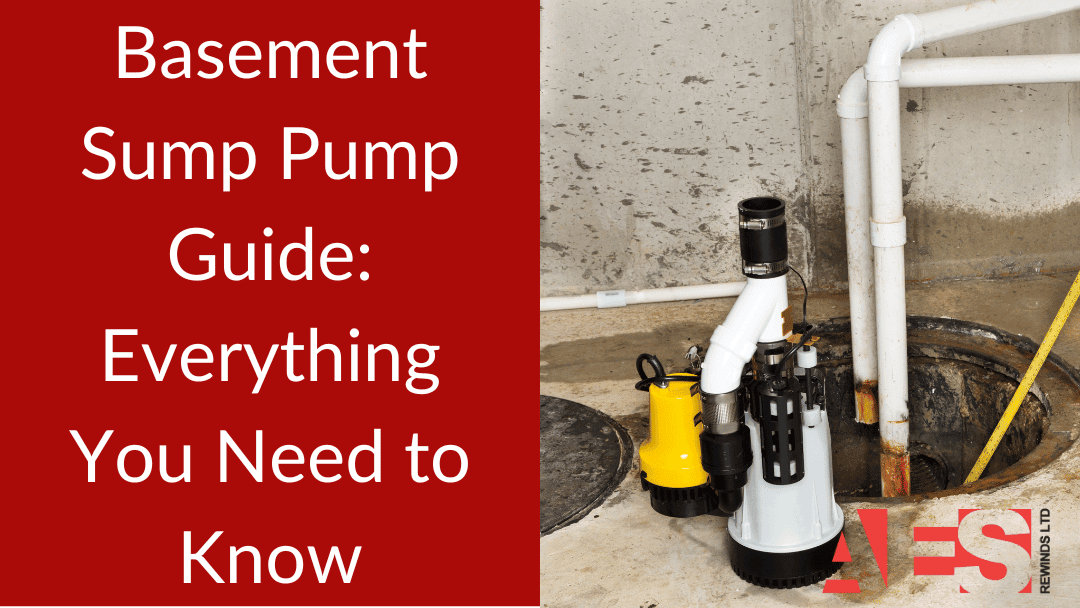
A basement sump pump is a specialised pumping system designed to remove water that collects below ground level, preventing it from flooding your basement. The system consists of several key components working together:
- Sump pit (or basin): A chamber excavated into your basement floor, typically 450-600mm in diameter and 600-900mm deep
- Submersible or pedestal pump: The mechanical unit that moves water out of your property
- Float switch: An automatic trigger that activates the pump when water reaches a certain level
- Discharge pipe: Carries water away from your property to a safe drainage point
- Check valve: Prevents water from flowing back into the sump pit
Unlike standard drainage pumps, basement sump pumps are specifically engineered to handle the unique challenges of below-ground installations. They must cope with potential high-water tables, limited headroom, and the need for reliable automatic operation when you’re not present.
The system works by collecting water that seeps through your basement walls or floor in the sump pit. When the water level rises, the float switch activates the pump, which then expels the water through the discharge pipe to an approved drainage point away from your property.
Do You Need a Basement Sump Pump in the UK?
Signs Your Basement Needs Protection
Several warning signs indicate your basement would benefit from a sump pump installation:
Water-related indicators:
- Standing water or pooling in basement corners
- Damp patches appearing on walls or floors after rainfall
- Musty odours suggesting hidden moisture
- Mould or mildew growth
- Efflorescence (white powdery mineral deposits on walls)
- Rust on metal fixtures or appliances
Structural concerns:
- Cracks in basement walls or floors
- Bowing or bulging walls
- Previous flooding history (even minor incidents)
Environmental factors:
- Your property sits below the water table
- You live in a known flood-risk area
- The basement is built into a hillside
- Poor natural drainage around your property
UK-Specific Flooding Risks
The UK’s flooding landscape is changing dramatically. Around 6.3 million properties in England are now in areas at risk of flooding from rivers, the sea, or surface water, with surface water flooding representing the fastest-growing threat.
Surface water flooding, also known as flash flooding, occurs when intense rainfall overwhelms drainage systems. London authorities have identified over 56,000 basement properties at particular risk, with inner London boroughs like Kensington & Chelsea, Westminster, and Islington having the highest concentrations.
The catastrophic July 2021 floods that hit London saw single basement flood claims exceed £1 million in affluent areas, demonstrating the enormous financial risk basement owners face.
Areas of Particular Concern:
- Properties on former floodplains
- Urban areas with ageing Victorian drainage infrastructure
- Basement conversions in areas with high water tables
- Coastal regions experiencing increased storm frequency
- Properties below street level
You can check your property’s flood risk using the Environment Agency’s free online flood risk checker.
Basement Conversions and Regulations
If you’re converting your basement into habitable space, a properly designed waterproofing system with sump pump is often mandatory under UK Building Regulations. Insurance companies increasingly require documented flood protection measures, and the presence of a compliant sump pump system can significantly affect both your ability to obtain cover and your premium costs.
When a sump pump is essential:
- Converting a basement to habitable living space
- Installing a basement bathroom or kitchen
- Properties with previous flooding history
- Areas identified as medium or high flood risk
- Where building control requires waterproofing measures
Types of Basement Sump Pumps
Choosing the right type of sump pump depends on your basement’s specific needs, budget, and how you plan to use the space.
1. Submersible Sump Pumps
Submersible pumps sit completely inside the sump pit, operating while submerged in water. They’re the most popular choice for modern basement installations.
Advantages:
- Quieter operation: The water dampens motor noise, making them ideal for habitable basements or home offices
- More powerful: Generally offer higher flow rates (3,000-6,000+ litres per hour)
- Space-efficient: Sit entirely within the pit with just the discharge pipe visible
- Better for debris: Can handle small particles and sediment more effectively
- Less prone to cavitation: Submersion helps prevent air lock issues
- Sealed motor: Better protected against moisture and humidity
Disadvantages:
- Higher initial cost: Typically £150-£600 compared to £80-£150 for pedestal pumps
- More difficult maintenance: Requires lifting the pump from the pit for servicing
- Shorter lifespan: Constant water contact typically results in 5-10 year lifespan
- Harder to inspect: Cannot visually check operation without removing the pump
Best for: Finished basements used as living spaces, bedrooms, home cinemas, or offices where noise would be problematic. Also recommended for properties experiencing frequent or heavy water ingress.
2. Pedestal Sump Pumps
Pedestal pumps feature a motor mounted on a column above the sump pit, with only the intake sitting in the water.
Advantages:
- Easier maintenance: Motor sits above water level, easily accessible for inspection and servicing
- Longer lifespan: Typically 10-15 years as the motor stays dry
- Lower upfront cost: Generally £80-£200 for residential models
- Easy to inspect: Can visually confirm operation at a glance
- Better cooling: Motor cools more efficiently in open air
Disadvantages:
- Noisier: Motor noise echoes in the basement space
- Takes up space: Requires headroom above the pit (300-400mm minimum)
- Less powerful: Typically lower flow rates than comparably priced submersible models
- Not suitable for narrow pits: Requires sufficient diameter for the column
- More visible: Less aesthetically pleasing in finished spaces
Best for: Utility basements, storage areas, or workshops where noise isn’t a concern. Good choice for budget-conscious installations or where easy maintenance access is prioritised.
3. Battery Backup Sump Pumps
Battery backup systems are increasingly essential in the UK, particularly given that flooding often coincides with power outages during storms.
Why Battery Backup Is Critical:
- Power cuts frequently occur during the severe storms that cause basement flooding
- The 2023-24 winter season saw 17 named storms across the UK, many causing widespread power disruptions
- Insurance companies may require backup systems for basement conversions
- Provides peace of mind when you’re away from the property
- Growing recommendation in updated British Standards
Battery Backup Options:
DC Battery Systems (Most Common):
- Use a marine-grade deep-cycle battery (typically 12V)
- Automatic switchover when mains power fails
- Runtime: 3-8 hours depending on battery size and pumping frequency
- Requires annual battery replacement (£80-£150)
- Cost: £300-£800 installed
Water-Powered Backup Pumps:
- Use mains water pressure to create suction
- No electricity or batteries required
- Always operational regardless of power status
- Higher ongoing cost (uses mains water)
- Requires adequate mains pressure (typically 3+ bar)
- Cost: £400-£600 installed
Combination Systems:
- Primary electric pump with DC battery backup
- Most comprehensive protection
- Automatic failover if primary pump fails
- Cost: £600-£1,200 complete system
4. Dual Pump Systems
For high-risk properties or valuable basement conversions, dual pump systems offer maximum protection.
Features:
- Two pumps in the same sump pit
- Second pump activates if first pump fails or cannot keep pace
- Can include combination of AC primary and DC backup
- Alternating operation to extend pump lifespan
- High water alarm system included
When to consider:
- Basements converted to bedrooms or other habitable space
- Properties in high flood-risk areas
- Valuable contents or expensive finishes
- British Standard BS 8102:2022 recommends dual pumps for Type C waterproofing systems in certain situations
- Insurance requirements for high-value properties
Cost consideration: £800-£1,500 for complete dual pump installation
Comparison Summary
| Feature | Submersible | Pedestal | Battery Backup | Dual System |
|---|---|---|---|---|
| Noise Level | Low | High | Varies | Low-Moderate |
| Lifespan | 5-10 years | 10-15 years | 5-10 years | 5-10 years |
| Typical Cost | £150-£600 | £80-£200 | £300-£800 | £800-£1,500 |
| Maintenance | Moderate | Easy | Moderate-High | Moderate |
| Power Outage Protection | No | No | Yes | Yes |
| Flood Risk Suitability | High | Low-Moderate | High | Very High |
| Basement Conversion | Recommended | Basic only | Recommended | Best choice |
UK Building Regulations for Basement Sump Pumps
Installing a basement sump pump in the UK must comply with several Building Regulations, particularly if you’re converting your basement into habitable space. Understanding these requirements is essential to ensure your installation is legal, safe, and eligible for insurance coverage.
Part C: Site Preparation and Resistance to Contaminants and Moisture
Part C governs how buildings resist moisture and water ingress. For basements, this includes:
- Waterproofing requirements: All waterproofing designs must be continuous with the damp proof course level or extend to 150mm above external ground level
- Type C systems: Cavity drainage membrane (CDM) systems, one of the most common waterproofing methods in the UK, rely on sump and pump systems to discharge water
- Maintenance access: Type C systems must be designed to allow inspection and servicing
- Design standards: Must comply with British Standard BS 8102:2022
Part H: Drainage and Waste Disposal
Approved Document H is particularly relevant to sump pump discharge and drainage:
Discharge requirements:
- Water must be discharged to an approved drainage point
- Cannot discharge onto neighbouring property or public highway
- Surface water typically discharged to:
- Surface water sewer (with water company approval)
- Soakaway system (requires percolation test)
- Watercourse (with Environment Agency consent)
- Rainwater harvesting system
Prohibited discharges:
- Foul water sewer (surface water only, unless specifically approved)
- Combined sewers (generally not permitted for new installations)
- Directly onto adjacent properties
- Into land drains without appropriate consent
Anti-flooding measures:
- Check valves must be installed to prevent backflow
- Adequate pipe sizing to handle peak flow rates
- Protection against freezing in winter
Part P: Electrical Safety
Electrical installations for sump pumps fall under Part P, which requires:
Professional installation:
- All electrical work must be completed by a qualified, registered electrician
- Certification (Building Control or Competent Person Scheme) required
- Part P notification to Building Control for non-registered installers
Safety requirements:
- RCD (Residual Current Device) protection mandatory for all basement circuits
- IP65 or higher rating recommended for electrical components in damp environments
- Pump must be on dedicated circuit
- Emergency isolation switch clearly marked and accessible
- Adequate earth bonding required
- Wiring must be installed clear of potential water contact
Important: Electricity and water are a dangerous combination, so these works should always be undertaken by suitably qualified persons.
British Standard BS 8102:2022
BS 8102:2022 is the authoritative British Standard for protecting below-ground structures against water ingress. While not legally binding itself, Building Control expects adherence to BS 8102 for basement waterproofing projects.
Key BS 8102 requirements for Type C systems:
Type C cavity drainage systems must be accessible for servicing and maintenance to meet BS 8102. The standard identifies three waterproofing grades:
- Grade 1: Basic environmental conditions where some dampness is tolerable
- Grade 2: Higher level where no water penetration is acceptable
- Grade 3: Enhanced protection for high-value or critical environments
BS 8102:2022 now states that Type C Cavity Drainage Membrane systems should have a maintenance schedule, with the first service inspection at handover stage.
Building Control Approval
For most basement sump pump installations in habitable spaces, you’ll need:
Full Plans Application (Recommended):
- Submit detailed drawings before installation
- Building Control reviews and approves design
- Ensures compliance before work begins
- Typical approval time: 5-8 weeks
- Cost: £200-£500 depending on local authority
Building Notice (Less common):
- Notify Building Control before starting work
- Inspector visits during installation
- Less certainty about approval
- Only suitable for straightforward installations
When Building Control approval is always required:
- Converting basement to habitable living space
- Structural alterations
- New electrical installations
- Drainage connections or modifications
- Installing bathrooms or kitchens
Consequences of non-compliance:
- Invalidated building insurance
- Difficulty selling property
- Requirement to remove or modify non-compliant work
- Potential enforcement action from local authority
- Voided warranties on waterproofing systems
Insurance Implications
Proper installation to Building Regulations significantly affects your ability to obtain insurance:
Insurance requirements:
- Many insurers now require documented sump pump systems for basement properties
- Properties with basements added after 2009 are excluded from the Flood Re scheme, making private insurance the only option
- BS 8102:2022 compliance may be specifically required
- Annual maintenance records may be requested
- Alarm systems increasingly expected
Financial considerations:
- Flood Re premiums can reach £1,600 annually for properties with basements
- Proper sump pump installation may reduce premiums
- Some insurers offer discounts for monitored alarm systems
- Build Back Better schemes can fund up to £10,000 in flood resilience measures after a claim
How to Choose the Right Basement Sump Pump
Selecting the appropriate sump pump requires careful assessment of several factors specific to your property.
Calculate Required Flow Rate
The flow rate (pumping capacity) must handle your basement’s maximum potential water ingress. For UK installations, consider:
Basic calculation method:
- Estimate maximum water ingress: In heavy rain, measure how quickly water accumulates in your lowest point
- Safety margin: Add 50% to your calculation for peak storm conditions
- Typical UK requirements: 3,000-5,000 litres per hour (LPH) minimum for most residential basements
Factors affecting required capacity:
- Basement size: Larger footprint = higher potential water volume
- Water table level: High water table requires greater capacity
- Surface water risk: Check Environment Agency flood risk maps
- Drainage system: Poor existing drainage increases requirements
- Rainfall intensity: Consider local climate and historical data
Flow rate reference:
- Light duty: 2,000-3,000 LPH (small basement, low risk)
- Medium duty: 3,000-5,000 LPH (typical residential basement)
- Heavy duty: 5,000-8,000+ LPH (large basement, high flood risk)
Determine Head Height Requirements
Head height (or vertical lift) is the distance the pump must move water upward, plus horizontal distance considerations.
Measuring head height:
- Measure vertical distance from pump to final discharge point
- Account for horizontal pipe runs (every 3 metres horizontal = approximately 0.3 metres vertical equivalent)
- Add friction losses for bends and fittings
- Total head height = vertical lift + horizontal equivalent + fittings allowance
Typical UK basement scenarios:
- Victorian/Edwardian properties: 2-3 metres vertical lift common
- Modern conversions: 2-4 metres typical
- Garden discharge: Add 5-15 metres horizontal distance
Important: Pump performance decreases with height. A pump rated at 5,000 LPH at 1-metre head might only deliver 3,000 LPH at 4-metre head. Always check the manufacturer’s performance curve.
Power and Motor Requirements
Standard UK specifications:
- Voltage: 230V AC (single phase)
- Motor sizes:
- 1/4 HP (186W): Light domestic use
- 1/3 HP (250W): Most common residential
- 1/2 HP (373W): Higher capacity needs
- 3/4 HP (560W): Heavy-duty/commercial
Duty cycle considerations:
- Continuous duty: Can run indefinitely (essential for high-risk properties)
- Intermittent duty: Needs cooling time between cycles (suitable only for occasional use)
- Most basement applications require continuous-duty pumps
Energy efficiency:
- Modern pumps typically use 400-800 watts when running
- Annual running cost: £30-£80 depending on usage frequency
- Look for energy-efficient motors
- Automatic operation prevents wasteful continuous running
Sump Pit Specifications
The sump pit itself must be properly sized and constructed:
Minimum dimensions for UK Building Regulations:
- Diameter: 450-600mm typical
- Depth: 600-900mm below basement floor level
- Material: High-density polyethylene (plastic) or concrete lined
- Lid: Required, especially where children present
- Capacity: Minimum 50-100 litres to prevent rapid cycling
Location considerations:
- Positioned at the lowest point of basement
- Near external wall if possible (shorter discharge run)
- Accessible for maintenance
- Away from living areas if noise sensitive
- Connected to perimeter drainage if Type C system
Float Switch Types
The float switch controls when your pump operates:
Vertical float switches:
- Most common type
- Reliable operation
- Requires adequate pit diameter (minimum 450mm)
- Easy to replace
Tethered float switches:
- Ball float on cable
- Works in narrow spaces
- Can tangle if poorly installed
- Generally reliable
Diaphragm/Pressure switches:
- Electronic pressure sensor
- No moving parts to stick
- More expensive
- Very reliable
- Suitable for effluent applications
Electronic switches:
- Probe-based sensing
- Compact design
- Higher cost
- Good for space-constrained installations
Special Basement Considerations
Sewage/grinder pumps: If your basement includes a bathroom, kitchen, or washing machine:
- Standard sump pumps cannot handle sewage or wastewater
- Sewage pumps or grinder pumps required
- Different regulatory requirements (stricter)
- Higher cost: £400-£1,200
- Must discharge to foul water sewer only
Alarm systems: Highly recommended for all basement installations:
- Visual and audible high-water alarm
- Battery-powered (operates during power cuts)
- Remote monitoring options available
- SMS/app alerts for unoccupied properties
- Cost: £50-£150
Check valve requirements:
- Prevents water flowing back into sump
- Must be installed on discharge pipe
- Usually within 1-2 metres of pump
- Spring-loaded or flap type
- Essential for preventing pump cycling
Discharge Options for UK Homes
Understanding where you can legally discharge water is crucial:
Surface water sewer (if available):
- Requires approval from local water company
- May incur connection charges
- Most reliable option in urban areas
- Typically preferred by Building Control
Soakaway:
- Most common solution for properties without sewer access
- Requires percolation test to verify soil drainage
- Must be minimum 5 metres from building
- Building Regulations approval required
- Can be problematic in clay soils
Rainwater harvesting/storage:
- Eco-friendly option
- Requires storage tank installation
- Water can be reused for garden irrigation
- Backup discharge still needed
What you CANNOT do:
- Discharge onto neighbour’s property
- Pump onto public highway or footpath
- Connect to foul sewer without approval
- Discharge into watercourse without Environment Agency consent
- Create nuisance or flooding hazard for others
Building Control Sign-Off
After installation, Building Control will inspect:
- Electrical installation certificate
- Discharge arrangements comply with Part H
- Waterproofing system meets Part C and BS 8102
- Access for maintenance provided
- All work completed to approved plans
Upon satisfactory inspection, you’ll receive a Completion Certificate. This is essential for:
- Future property sales
- Insurance coverage
- Warranty validation
- Legal compliance proof
Costs: What to Expect in 2025
Understanding the full cost picture helps you budget appropriately and make informed decisions.
Equipment Costs (2025 UK Prices)
Sump Pumps Only:
- Budget pedestal pump: £80-£150
- Mid-range submersible: £150-£350
- Premium submersible: £350-£600
- Commercial-grade: £600-£1,200+
Complete Sump System Components:
- Sump basin/pit liner: £50-£200 (depending on size and material)
- Check valve: £15-£50
- Discharge piping (32-40mm): £20-£80 for typical run
- Float switch (if separate): £25-£80
- High water alarm system: £50-£150
- Battery backup system: £300-£800
- Sump cover/lid: £20-£80
Total DIY equipment cost: £200-£1,500+ depending on system complexity and quality
Professional Installation Costs
Replacement pump installation (existing system): The average cost of a sump pump replacement in a basement is £720
New sump pump installation (no existing system): Installing a new sump pump system in a basement is approximately £2,000
This significant cost difference is because new installations require:
- Jackhammer work to break concrete floor (very labour-intensive)
- Excavation and pit construction
- Complete discharge pipe installation
- New electrical circuit
- Building Control liaison and inspections
Regional variations:
- London and South East: £1,700-£4,000+ for new installations
- Midlands: £1,500-£2,500 for new installations
- North of England: £1,200-£2,200 for new installations
- Scotland: £1,300-£2,400 for new installations
Comprehensive basement waterproofing (Type C system with sump):
- Basic system: £3,000-£5,000
- Standard installation: £5,000-£8,000
- High-specification: £8,000-£15,000+
This includes:
- Cavity drainage membrane system
- Perimeter drainage channels
- Sump and pump installation
- Full electrical installation
- Building Control fees and certificates
- Warranty and aftercare
Ongoing Running Costs
Electricity:
- Average usage: 0.5-1 kWh per day during wet periods
- Annual cost: £30-£80 (based on 2025 UK electricity rates)
- Minimal cost when not actively pumping
Maintenance:
- Annual professional service: £80-£150
- Battery replacement (backup systems): £80-£150 every 2-3 years
- Replacement parts (float switches, check valves): £50-£150 every 3-5 years
Average annual maintenance cost: £100-£200
Return on Investment
While sump pump installation represents a significant upfront cost, consider the financial protection it provides:
Flood damage costs (without sump pump):
- Average basement flood damage: £5,000-£20,000
- Single basement flood claims in 2021 exceeded £600,000 in Notting Hill and over £1 million in Hampstead
- Structural damage can exceed £50,000
- Loss of personal possessions (often irreplaceable)
Insurance implications:
- Typical excess for flood claims: £250-£1,000
- Flood Re premiums can reach £1,600 per year for basement properties
- Some insurers offer premium reductions for proper flood defences
- Properties with basements built after 2009 are excluded from Flood Re, making insurance extremely difficult or expensive
Property value:
- Proper waterproofing with certified sump pump increases value
- Flood risk has become a dealbreaker for buyers on properties without protection
- BS 8102 compliance certificate adds value
- Finished basement adds 10-20% to property value when properly protected
Cost-benefit example:
- Installation cost: £2,000
- Prevented basement flood: £8,000 average claim savings
- Insurance premium reduction: £100/year = £1,000 over 10 years
- Increased property value: £5,000-£15,000
- Total 10-year benefit: £14,000-£24,000
Maintenance Requirements
Regular maintenance is essential for reliable sump pump operation. BS 8102:2022 states that Type C systems should now have a maintenance schedule, with the first service inspection at handover stage.
Quarterly Checks (Every 3 Months)
Basic function test:
- Pour 10-15 litres of water into sump pit
- Observe pump activation
- Verify float switch rises and triggers pump
- Check pump turns off when water level drops
- Listen for unusual noises (grinding, rattling, squealing)
Visual inspection:
- Check for rust or corrosion on pump and fittings
- Inspect discharge pipe for visible leaks
- Verify check valve is secure
- Look for standing water that won’t drain
- Check pit for debris accumulation
Alarm test:
- If equipped, test high water alarm function
- Replace alarm batteries if needed
Time required: 15-20 minutes
Annual Maintenance (Once Per Year)
Pump cleaning and inspection:
- Disconnect power (essential for safety)
- Remove pump from pit
- Clean inlet screen/strainer
- Remove debris and sediment
- Inspect impeller for damage
- Check power cord for wear
- Test pump in bucket of clean water before reinstalling
Sump pit cleaning:
- Remove all debris, silt, and sediment
- Check pit liner for cracks or damage
- Verify weep holes aren’t blocked (if applicable)
- Ensure gravel base is intact
Check valve inspection:
- Remove check valve if possible
- Check for debris preventing proper seating
- Verify spring operation (spring-loaded type)
- Test by pouring water through – should only flow one direction
- Replace if worn or corroded
Battery backup testing (if equipped):
- Fully charge battery
- Disconnect mains power and test backup operation
- Verify automatic switchover function
- Check battery age (replace every 2-3 years)
- Clean battery terminals
Discharge pipe inspection:
- Check entire exterior discharge run
- Clear any blockages
- Verify exterior discharge point is clear
- Check pipe insulation (winter)
- Look for freeze damage
Time required: 1-2 hours
Pre-Storm Season Preparation (Autumn)
Comprehensive system check:
- Complete annual maintenance procedures above
- Test under high-volume water conditions
- Verify alarm systems fully functional
- Check all backup power systems
- Inspect exterior discharge areas for autumn leaf blockages
- Review and update maintenance log
Emergency preparedness:
- Keep manual pump backup available
- Stock spare fuses/circuit breakers
- Have pump manufacturer’s emergency contact number
- Consider spare battery if using backup system
- Inform household members of system location and operation
Time required: 2-3 hours
Maintenance Log
Keep a written record of all maintenance activities:
- Date of service
- Issues identified
- Repairs or replacements made
- Next service due date
- Professional servicing records
Why this matters:
- Required by some insurance policies
- Demonstrates BS 8102 compliance
- Helps identify recurring issues
- Valuable for property sales
- Warranty requirements
Professional Servicing
When to hire a professional:
- Annual comprehensive inspection (recommended)
- Any electrical issues
- Persistent problems despite basic maintenance
- After heavy flooding event
- Before property sale or conversion
What’s included:
- Full system inspection and testing
- Electrical safety checks
- Performance verification
- Minor repairs and adjustments
- Written report for insurance/Building Control
Typical cost: £80-£150 per service visit
Warning Signs Requiring Immediate Attention
Stop using the system and call a professional if:
- Pump runs continuously without stopping
- Pump doesn’t activate when water present
- Burning smell from motor
- Excessive vibration or grinding noises
- Visible smoke or sparking
- Pump cycles on/off rapidly
- Water in basement despite pump operation
- Electrical trips or fuse blows repeatedly
- Visible damage to power cord
- Check valve failure (water flowing backwards)
Common Problems & Troubleshooting
Pump Doesn’t Turn On
Possible causes and solutions:
1. No power supply:
- Check circuit breaker hasn’t tripped
- Test RCD hasn’t activated
- Verify pump plug securely connected
- Test power outlet with another device
2. Float switch issue:
- Debris preventing float movement
- Float switch stuck in down position
- Tethered float tangled
- Float switch failure – requires replacement
3. Pump motor failure:
- Thermal overload tripped (wait 30 minutes to cool)
- Motor burnout – requires pump replacement
- Seized impeller – attempt cleaning
- Capacitor failure (professional repair needed)
4. Electrical problem:
- Damaged power cord
- Loose wiring connections
- Faulty switch/controller
- Call qualified electrician for electrical faults
Pump Runs Continuously
Possible causes and solutions:
1. Float switch malfunction:
- Stuck in “on” position
- Incorrect adjustment/positioning
- Switch failure – needs replacement
- Debris interfering with mechanism
2. Check valve failure:
- Water flowing back into pit after pump stops
- Valve stuck open or damaged
- Missing or incorrectly installed
- Replace check valve (£15-£50 + labour)
3. Discharge line blocked:
- Frozen exterior pipe (winter)
- Debris accumulation
- Collapsed or crushed pipe
- Blocked soakaway
- Clear blockage or repair discharge system
4. Pump undersized:
- Water inflow exceeds pump capacity
- Pump not rated for actual head height
- Requires larger capacity pump or second pump installation
5. Leak in discharge pipe:
- Water escaping before reaching discharge point
- Pump continuously replacing lost water
- Inspect and repair discharge piping
Pump Cycles On/Off Frequently
Possible causes:
1. Sump pit too small:
- Insufficient capacity causes rapid fill/empty cycles
- Minimum 50-100 litres pit capacity recommended
- May require larger pit installation
2. Float switch positioned incorrectly:
- “On” and “off” points too close together
- Adjust float switch positioning
- Consider different switch type
3. Check valve slowly leaking:
- Not completely sealed
- Worn valve components
- Replace check valve
4. High water table:
- Continuous slow seepage
- Normal condition in some properties
- Consider larger sump pit or dual pump system
Strange Noises
Grinding or scraping:
- Cause: Damaged impeller, bearings failure, debris in pump
- Action: Remove pump, inspect impeller, clear debris
- If continues: Replace pump (bearing failure irreparable in domestic pumps)
Rattling:
- Cause: Loose mounting, pipe vibration, loose check valve
- Action: Secure all connections, check pump seating, tighten fittings
Humming without running:
- Cause: Seized impeller, capacitor failure, motor issue
- Action: Disconnect power immediately, attempt impeller rotation manually
- Professional repair needed if motor fault
Gurgling in discharge pipe:
- Cause: Air in system, undersized piping
- Usually normal: Occasional gurgling acceptable
- If persistent: Check for restrictions, verify adequate pipe diameter
Basement Still Flooding Despite Pump
Investigate:
1. Pump capacity insufficient:
- Water inflow exceeds pump removal rate
- Particularly during peak storm conditions
- Solution: Install second pump or upgrade to higher capacity unit
2. Discharge freezing (winter):
- External pipe frozen solid
- Common problem in UK winters
- Prevention: Insulate exterior pipes, install heat trace cable
- Emergency: Use portable pump to discharge indoors to drain
3. Power failure without backup:
- Pump inoperable during outage
- Critical failure point during storms
- Solution: Install battery backup system (£300-£800)
4. Pit filling faster than pump activated:
- Float switch set too high
- Pit depth insufficient
- Solution: Adjust float switch, consider deepening pit
5. Multiple water sources:
- Pump only addresses pit water
- Other ingress points not managed
- Solution: Comprehensive Type C waterproofing with perimeter drainage
6. Pump failure:
- Motor burned out
- Impeller broken
- Complete system failure
- Solution: Emergency pump replacement
When to Call a Professional
Always contact qualified professional for:
- Any electrical problems or faults
- Persistent flooding despite pump operation
- Motor or pump mechanical failures
- Discharge system design issues
- Building Regulations compliance concerns
- Insurance claim requirements
- After major flooding event (safety inspection)
Seasonal Considerations for UK Basements
Winter (December-February)
Primary concerns:
- Exterior discharge pipe freezing
- Storm frequency and flooding risk
- Power outages during severe weather
Winter maintenance:
- Insulate discharge pipes: Wrap exterior sections with foam pipe insulation (minimum 25mm thick)
- Install heat trace cable: For exposed pipes in severe frost areas
- Extend discharge: Run pipe below frost line if possible (minimum 450mm depth)
- Check battery backup: Ensure fully charged before winter storms
- Test during freeze/thaw cycles: Ice formation then melting can cause sudden basement water influx
Storm preparation: The UK experienced 17 named storms during the 2023-24 winter period, often accompanied by power outages. Ensure backup systems operational.
Frozen discharge emergency:
- Never pour hot water on frozen pipes (causes cracking)
- Use portable heater or hairdryer to gradually thaw
- Have backup portable pump ready
- Consider emergency discharge to basement drain (temporary only)
Spring (March-May)
Primary concerns:
- Snowmelt (after cold winters)
- Heavy spring rainfall
- Surge in water table
Spring maintenance:
- Post-winter inspection: Check for freeze damage to pipes and pump
- Remove winter insulation: If removable type
- Test after dormant period: Verify pump operational after potential months of inactivity
- Clear exterior discharge: Remove debris, mud, leaves from winter accumulation
- Pre-storm season prep: Service pump before peak rainfall period
High water table management: Spring typically sees highest water tables in UK. Monitor:
- Increased pump cycling (normal)
- Pit filling faster than winter
- Possible need for temporary additional pumping
Summer (June-August)
Primary concerns:
- Generally lowest risk period
- Occasional intense thunderstorms
- On 9 May 2024, thunderstorms generated very intense rainfall in Somerset and Devon with 53 residential properties flooded
Summer maintenance:
- Ideal service time: Lowest risk period for comprehensive maintenance
- Annual deep clean: Full system cleaning and inspection
- Parts replacement: If needed, summer provides time before autumn storms
- Test alarm systems: Verify functionality during low-risk period
- Practice emergency procedures: Good time to train household members
Prepare for autumn:
- Order replacement parts if needed
- Schedule professional service
- Plan any system upgrades
- Review maintenance logs
Autumn (September-November)
Primary concerns:
- Rainfall intensity increasing
- Storm season typically begins October-November
- Leaf accumulation blocking drains
- Preparation for winter
Autumn maintenance (Critical):
- Pre-storm season service: Complete comprehensive system check
- Clear leaves: From exterior discharge points, roof gutters, drains
- Test under load: Heavy rain provides real operational test
- Battery check: Ensure backup systems fully charged
- Stock spare parts: Before winter demand increases prices/availability
Storm preparation checklist:
- [ ] Full system test completed
- [ ] All discharge points clear
- [ ] Battery backup functional (if equipped)
- [ ] Alarm tested and working
- [ ] Emergency contacts list updated
- [ ] Household members briefed on system
- [ ] Manual backup pump available
- [ ] Insurance policy reviewed
Frequently Asked Questions
How long do basement sump pumps last?
Submersible pumps: Typically 5-10 years with proper maintenance Pedestal pumps: Usually 10-15 years due to motor staying dry
Factors affecting lifespan:
- Usage frequency (daily operation shortens life)
- Water quality (sediment accelerates wear)
- Maintenance quality (regular service extends life)
- Motor quality (premium pumps last longer)
- Operating conditions (continuous duty vs intermittent)
Extending pump life:
- Annual professional service
- Keep sump pit clean
- Use correct capacity pump (not oversized or undersized)
- Install battery backup to protect during power fluctuations
- Replace check valve when worn
Can I install a basement sump pump myself?
Legal considerations: Electrical work must be completed by a registered electrician – this is non-negotiable for safety and legal compliance.
Skills required for DIY mechanical installation:
- Breaking concrete floor with jackhammer (very difficult, requires hired equipment)
- Knowledge of drainage principles
- Plumbing skills for discharge piping
- Understanding of building regulations
- Physical ability (very labour-intensive)
Risks of DIY installation:
- Violating Building Regulations (prosecution possible)
- Invalidating insurance coverage
- Voiding pump warranties
- Incorrect sizing leading to flooding
- Unsafe electrical installation
- Failed Building Control inspection
- Property sale complications
When professional installation essential:
- Basement conversions (always)
- Type C waterproofing systems
- Complex discharge arrangements
- High-value properties
- Areas requiring Building Control approval
- Properties with existing flooding issues
DIY considerations: For simple pump replacements in existing systems (not new installations), competent DIYers might manage the mechanical aspects, but still require registered electrician for electrical work.
How loud are basement sump pumps?
Noise levels:
- Submersible pumps: 45-60 decibels (similar to normal conversation)
- Pedestal pumps: 65-80 decibels (similar to vacuum cleaner)
Factors affecting noise:
- Pump type (submersible significantly quieter)
- Motor quality (premium pumps engineered for quieter operation)
- Installation quality (poor mounting amplifies vibration)
- Pipe material (plastic quieter than metal)
- Water level in pit (water dampens sound)
Noise reduction strategies:
- Choose submersible pump for living spaces
- Install sound-dampening sump cover
- Use rubber isolation mounts
- Insulate discharge piping
- Ensure pump properly seated (not rattling)
- Choose lower RPM motors
- Install away from bedrooms if possible
Living with pump noise: In properly installed systems with submersible pumps, noise is minimal and primarily noticeable only during actual pumping operation (typically few minutes at a time).
What happens if the sump pump fails?
Immediate consequences:
- Water accumulates in sump pit
- If pit overflows, basement flooding begins
- Potential for rapid water damage
- Waterproofing system failure (Type C systems)
Failure prevention:
- Install high water alarm: Audible/visual warning (£50-£150)
- Battery backup system: Automatic switchover during failures (£300-£800)
- Dual pump system: Second pump activates if primary fails (£800-£1,500)
- Regular maintenance: Catches problems before complete failure
- Smart monitoring: SMS alerts when away from property
Emergency response if pump fails:
- Immediately remove valuable items from basement
- Use wet-dry vacuum for small amounts
- Hire portable pump (emergency plumber, hire companies)
- Call emergency plumber for pump replacement
- Document damage for insurance (photos/video)
- Contact insurance company promptly
Insurance coverage: Most policies cover sudden mechanical failure if:
- Pump properly maintained (records essential)
- Annual servicing documented
- System installed to Building Regulations
- Failure not due to neglect
Can I use my basement sump pump for a bathroom?
No – Critical distinction:
Standard sump pumps are designed for surface water only (groundwater, rainwater). They cannot legally or safely handle:
- Sewage (toilet waste)
- Greywater (washing machine, dishwasher, shower, bath)
- Kitchen waste (food particles)
- Any foul water
What you need instead:
- Sewage pump or grinder pump: Designed to handle solids and foul water
- Cost: £400-£1,200 for sewage pump vs £150-£600 for sump pump
- Regulations: Different Building Regulations requirements (more stringent)
- Discharge: Must connect to foul water sewer, never surface water sewer
Legal requirements:
- Part H Building Regulations apply
- Separate consent required for sewage discharge
- Water company approval necessary
- Cannot mix sewage and surface water systems
- Professional installation mandatory
Solution for basement bathrooms: If you have both groundwater and sewage needs:
- Install separate sewage pump for bathroom
- Install separate sump pump for waterproofing system
- Never connect these two systems
- Ensure correct discharge points for each
How often should my basement sump pump run?
Normal operation varies by:
- Rainfall intensity and frequency
- Water table level
- Basement location and construction
- Season (more in winter/spring, less in summer)
- Drainage system design
Typical patterns:
Dry periods:
- May not run for days or weeks
- This is completely normal
- Doesn’t indicate system problems
Rainy periods:
- Every few hours to several times per hour
- Duration: 30 seconds to few minutes per cycle
- Heavy rainfall: May run almost continuously (this is normal during storms)
Concerning patterns:
- Running every few minutes constantly (not during heavy rain)
- Running continuously without stopping
- Not running despite visible water
- Frequent cycling on/off rapidly
High water table properties:
- May run several times daily year-round
- This can be normal for some properties
- Ensure adequate capacity pump
What’s abnormal: If pump runs constantly or very frequently during dry weather, this suggests:
- Check valve failure (water returning to pit)
- Discharge blockage
- Undersized pump
- Leak in discharge system
- Extremely high water table
Where can basement sump pump water be discharged?
Legal UK discharge options:
1. Surface water sewer:
- Requires local water company approval
- May involve connection charges
- Most reliable in urban areas
- Subject to drainage bylaws
2. Soakaway:
- Most common rural/suburban solution
- Must be minimum 5 metres from any building
- Requires percolation test proving adequate drainage
- Building Regulations approval required
- Not suitable in clay soils or high water table areas
- Design must meet British Standards
3. Watercourse:
- Streams, rivers, ditches
- Requires Environment Agency consent
- Must not cause flooding or pollution
- Typically requires trash screen
- Flow rate restrictions may apply
4. Rainwater harvesting system:
- Collection tank for garden use
- Eco-friendly option
- Still requires overflow/backup discharge
- System complexity increases cost
Prohibited discharges:
- Foul water sewer: Surface water generally forbidden (£1,000+ fine)
- Combined sewer: Not permitted for new installations in most areas
- Onto neighbouring property: Civil offence, potential damages claim
- Public highway: Illegal, creates hazard
- Without consent: Any discharge without proper approval
Key consideration: Discharge of water from Type C waterproofing systems must always be done in accordance with Approved Document H.
Will a sump pump increase my property value?
Generally yes, when properly installed:
Positive value impacts:
- Enables basement conversion (10-20% property value increase)
- BS 8102 certification demonstrates professional installation
- Documented waterproofing reduces buyer concerns
- Insurance availability (critical selling point)
- Demonstrates property care and maintenance
Financial benefits: Flood risk has become a dealbreaker for buyers on properties without adequate protection. Properties with proper flood defences are:
- Easier to insure
- Eligible for mortgages (some lenders require flood protection)
- More attractive to buyers in flood-risk areas
- Less likely to have insurance claims on property history
Documentation importance:
- Building Control completion certificate
- BS 8102 compliance certificate
- Professional installation certificates
- Maintenance records
- Warranty documentation
Negative value impact (rare): A sump pump can reduce value if:
- Installed without Building Regulations approval
- Poorly installed DIY system
- No maintenance records
- Indicates severe flood problems not properly addressed
Estate agent perspective: Sump pumps in flood-risk areas are now expected by informed buyers and often required by their mortgage lenders.
Do I need planning permission for a basement sump pump?
Usually no, but Building Control approval is required:
Planning permission:
- Not required for internal sump pump installation
- May be required if:
- External discharge structure highly visible
- Property is listed building
- Located in conservation area
- Affects external building appearance
- Requires external excavation near boundary
Building Control approval:
- Always required for:
- New sump pump installation in habitable space
- Basement conversion
- Electrical installation
- Drainage connections
- Structural alterations
Party Wall Act: For semi-detached or terraced properties:
- May require Party Wall Act notice
- If excavation near shared wall
- Discharge affecting neighbour’s property
- Consult Party Wall surveyor
Conservation area/Listed building:
- Additional planning constraints
- May need Listed Building Consent
- More stringent Building Control requirements
- Specialist heritage consultant recommended
Water company consent:
- Required for connection to public sewer
- May involve application fees
- Technical approval for discharge rate
Process:
- Consult Building Control before starting (essential)
- Check planning requirements with local authority
- Obtain water company consent if connecting to sewer
- Party Wall Act notice if applicable
- Submit Full Plans Application to Building Control
- Begin installation only after approvals obtained
Conclusion
Protecting your basement from flooding is no longer optional in the UK’s changing climate. With 6.3 million properties now in areas at risk from various flooding sources, and over 56,000 basement properties in London alone identified as particularly vulnerable, taking action is essential.
A properly specified and professionally installed basement sump pump system provides:
- Financial protection: Preventing flood damage costs that can exceed £100,000
- Insurance access: Many properties are now uninsurable without adequate flood protection
- Property value: Proper waterproofing with certified systems increases marketability
- Peace of mind: Automatic protection even when you’re away
- Regulatory compliance: Meeting Building Regulations and BS 8102:2022 standards
Key Takeaways
For basement conversions:
- Professional installation to BS 8102:2022 standards is essential
- Building Control approval is mandatory
- Type C waterproofing systems commonly require sump pumps
- Documentation significantly affects insurance and property value
For existing basements:
- Assess your flood risk using Environment Agency tools
- Consider retrofit sump pump if experiencing dampness or flooding
- Battery backup systems are increasingly important
- Regular maintenance prevents costly failures
Making it happen:
- Assess your needs: Check Environment Agency flood risk maps
- Get professional advice: Consult waterproofing specialist
- Obtain approvals: Building Control and water company consent
- Choose quality: Invest in appropriate capacity and backup systems
- Maintain regularly: Annual servicing and quarterly checks
- Keep records: Documentation essential for insurance and property sales
Take Action Today
Don’t wait for the next flood to consider basement protection. Over a fifth of UK homes have suffered storm damage in the last five years, with 12% experiencing flooding.
Ready to protect your basement?
We can help you assess your basement’s needs and recommend the appropriate sump pump system for your property. Our team understands UK Building Regulations, works with certified installers, and supplies quality pumps suitable for British basements.
Get started:
Related Resources
Learn more about protecting your basement and maintaining your pump systems:
- What Size Sump Pump Do I Need? Complete Guide
- How to Clean Your Sump Pump
- Guide to Sump Pumps
- Float Switch Guide
- How to Prime a Pump
Have questions? Our team of pump specialists are here to help. Get in touch today.
This guide was last updated November 2025 with the latest UK Building Regulations, BS 8102:2022 standards, and 2025 pricing. We regularly update our content to ensure accuracy and compliance with current UK requirements.